Категорії
✓ YIROUFANG TEXTILE — China emergency shelter manufacturer
✓ 20+ years supplying wholesale relief tents China factory direct for sale worldwide
✓ OEM/ODM custom configuration for bulk institutional orders
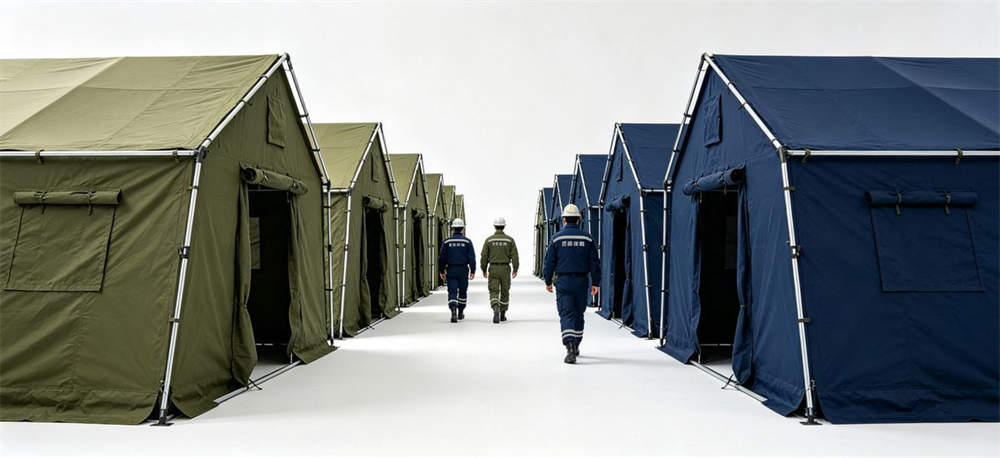
This buying guide walks institutional buyers through every decision that matters when selecting relief tents for emergency shelter projects. Whether you need wholesale quantities for disaster relief, custom configurations for humanitarian aid programs, or bulk orders for temporary shelter camps, the right choice depends on seven questions answered in order. Skip any one, and two shelters with the same stated size can become very different products on site.
Short answer:
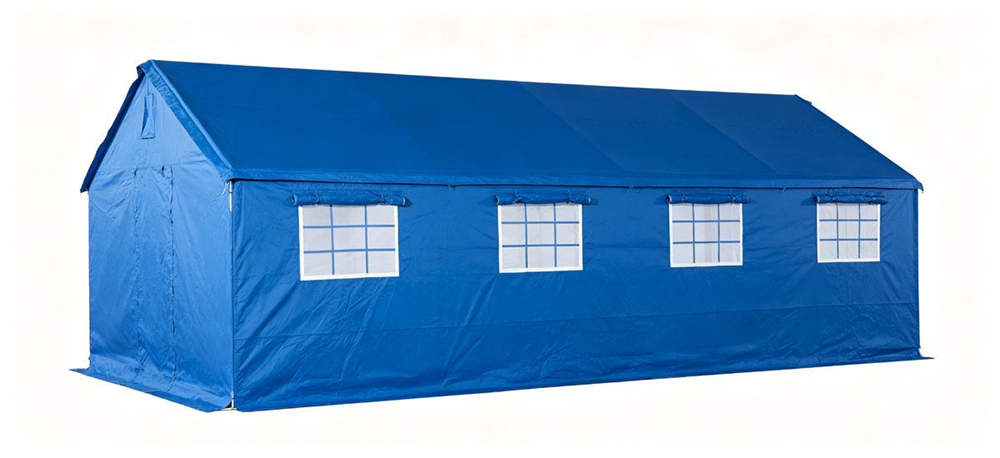
A useful relief tent requirement answers seven questions before contacting a supplier: the primary task, occupants or contents, interior layout, site and anchoring, weather and operating period, setup and handling resources, and the exact configuration and documents the supplier must confirm. This selection guide is written for buyers comparing emergency tent options for wholesale, custom, and bulk procurement from a China factory manufacturer.
30-Second Decision Starter:
➤ Fixed-site accommodation for 6+ months? → Look at frame shelter tents with integrated flooring.
➤ Rapid deployment for short-term disaster response? → Consider pole emergency tents for faster setup.
➤ Medical triage or coordination workspace? → Prioritize ventilation, lighting access, and equipment zoning over bed capacity.
➤ Still unsure? → Answer the seven questions below before requesting quotes.
Whether you need a hybrid tent, canvas tent, PVC tent, or PE tent for emergency response, refugee camp, field hospital, or command post operations, this buyer guide helps distributors, resellers, and project buyers find the right solution. Our tents feature windproof, fire retardant, UV resistant, and portable designs with PE polyethylene fabric and aluminum frame options. Sizes include 3x4m, 5x8m, and 6x12m square meter. We cover common mistakes, selection tips, and common errors in hot climate, cold climate, rainy, snowy, windy, and hurricane zones, plus pandemic response.
This comprehensive emergency shelter selection guide includes a relief tent size guide, relief tent material comparison, relief tent supplier evaluation checklist, and relief tent sample verification process. We compare heavy duty waterproof tent options with wholesale relief tents China factory pricing for custom emergency shelter projects.
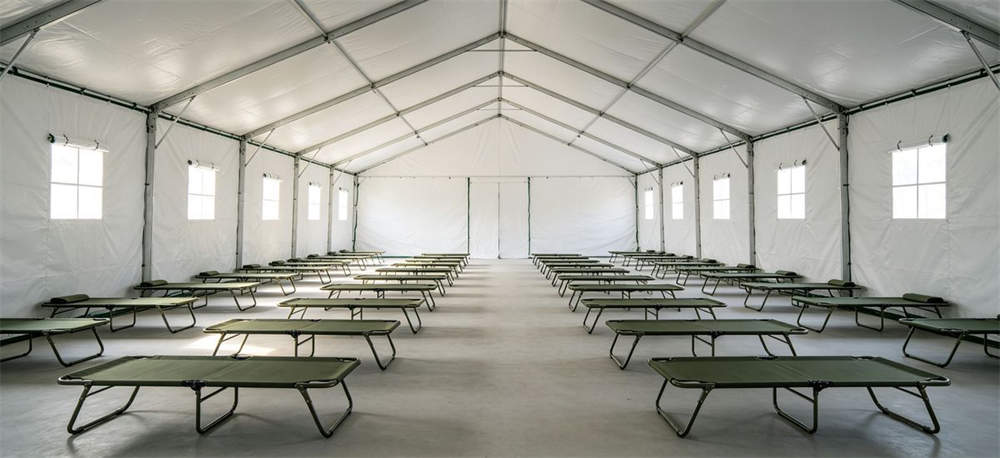
Accommodation, duty stations, coordination areas, temporary storage, and medical support all need covered space, but they do not need the same interior. Accommodation requires beds, privacy, ventilation, and aisles. Coordination needs workstations, equipment, and zoning. Storage needs clear height, access, and handling routes. Medical support also needs separate planning for power, ventilation, cleaning, and specialized systems.
If the inquiry only says "we need relief tents," suppliers must guess the purpose. The proposed shelter may have enough area but an unsuitable entrance for supplies, or it may support accommodation without providing usable positions for work equipment.
Write the primary task in one sentence:
If the project has several tasks, list them separately before deciding whether one configuration can serve more than one purpose. For multi-use camps, you may need a mix of shelter tent types rather than one model for everything.
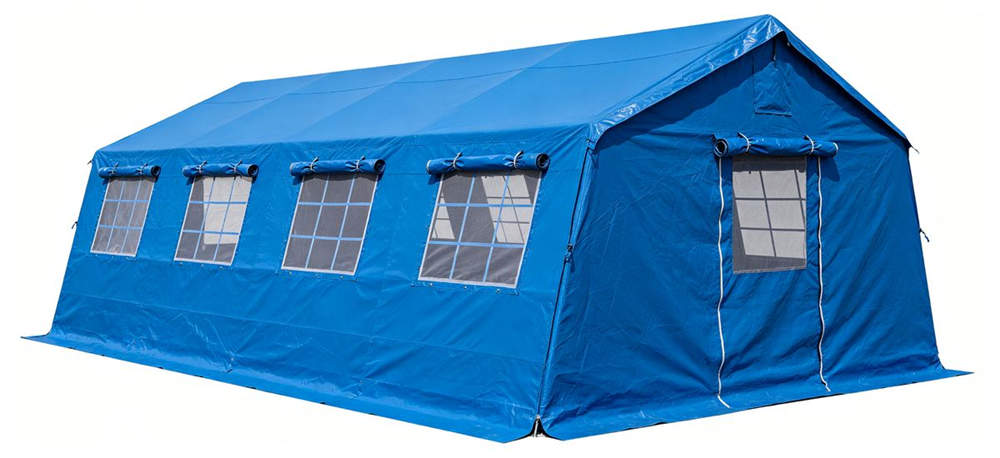
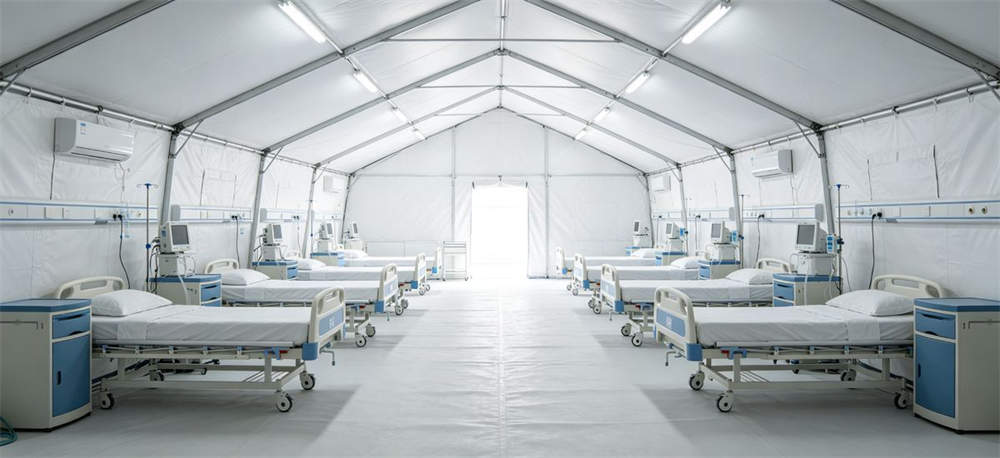
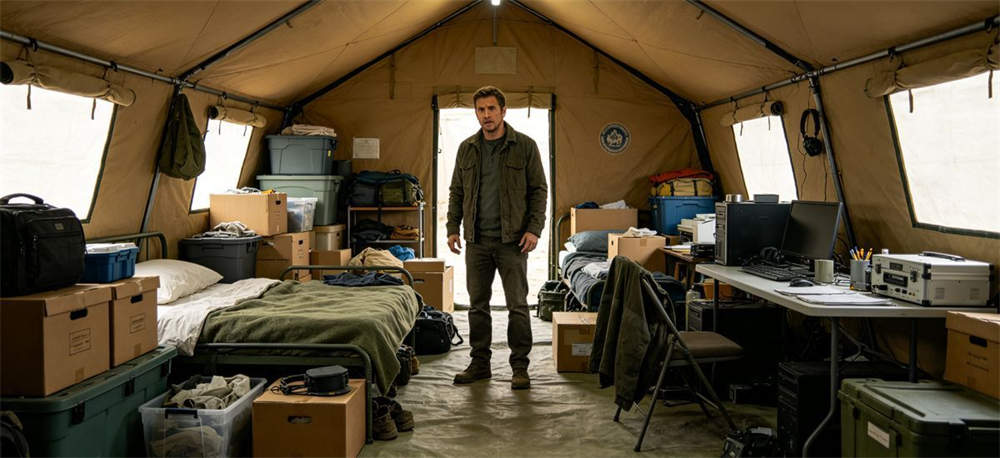
Occupant numbers alone do not define the requirement. The same group can require different space when using folding beds, mattresses, or floor sleeping arrangements. Personal belongings, care areas, worktables, medical equipment, and supply boxes also occupy space.

This information does not require the buyer to complete an engineering calculation. It tells the supplier why the space is needed. A useful response identifies a suitable shelter tent type and explains which contents affect the internal dimensions, entrances, flooring, or zoning.
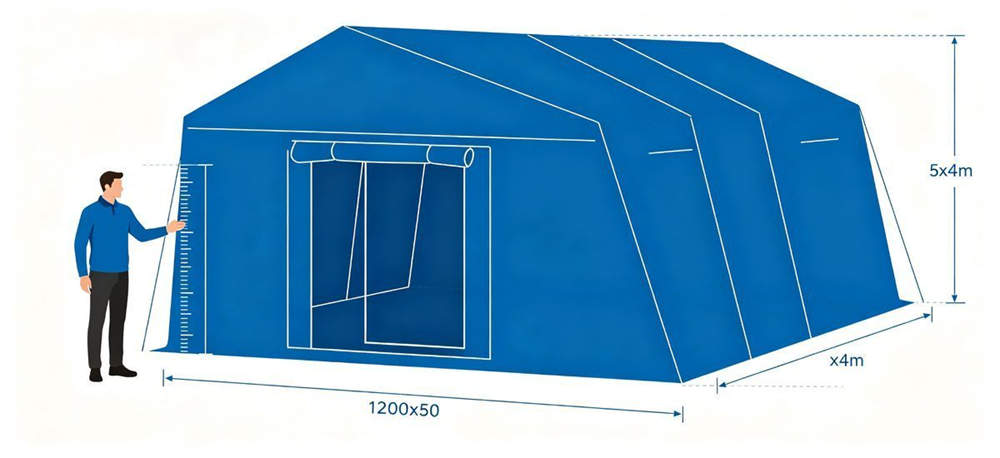
As a rough reference, a 4×6 m frame emergency tent with central aisle may fit 6–8 folding beds for basic accommodation, but the same tent fits only 4–5 beds when personal storage and a care corner are required. Always confirm against your actual layout rather than copying a capacity figure from another project.
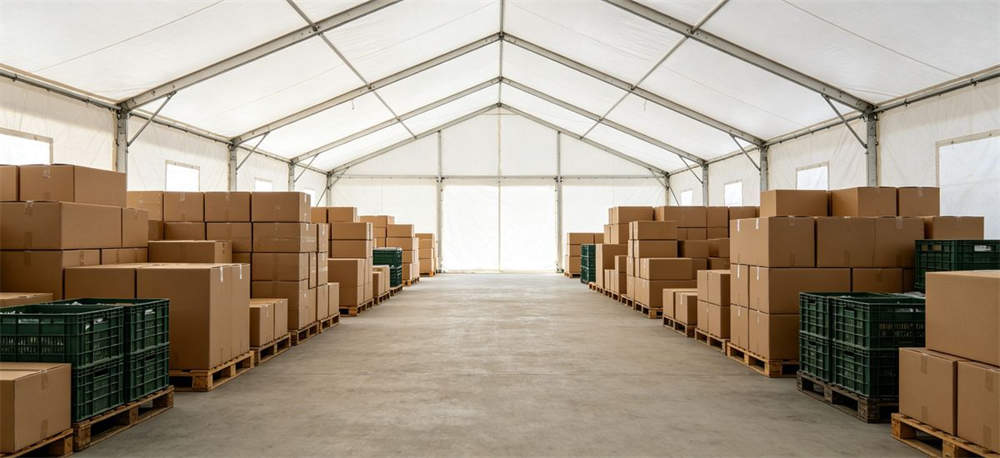
Exterior length multiplied by width is not the same as fully usable space. Uprights, braces, entrances, partitions, beds, equipment, and aisles all use floor area. Selecting only by stated capacity can produce a shelter where the beds fit but people cannot move safely or operate the space as intended.
Draw a simple rectangle. Mark the entrance, the primary aisle, and areas that must remain clear, then add beds, worktables, or supplies. A professional drawing is not required; the purpose is to expose layout conflicts before the shelter size is fixed.
With this layout, the supplier can return an appropriate interior arrangement, support positions, and opening arrangement. Capacity and size conclusions should be linked to that arrangement rather than copied from another model or project.
|
Selection Step |
Buyer Confirms |
Supplier Returns |
|
Primary task |
Accommodation, duty, coordination, storage, or medical support |
Suitable shelter tent type and applicable use cases |
|
Interior use |
People, beds, equipment, supplies, and aisles |
Workable space and opening arrangement |
|
Site and environment |
Ground, drainage, clearance, and weather |
Structure, anchoring, and operating conditions |
|
Setup and handling |
Crew, tools, vehicles, access, and relocations |
Component, packaging, and setup reference |
|
Configuration and files |
Doors, floor, partitions, performance, and document needs |
Included items, options, and applicable documents |
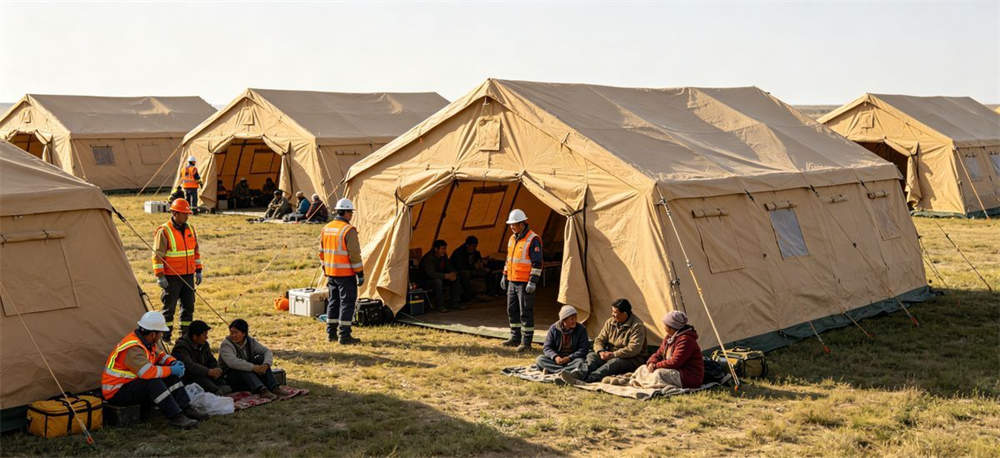
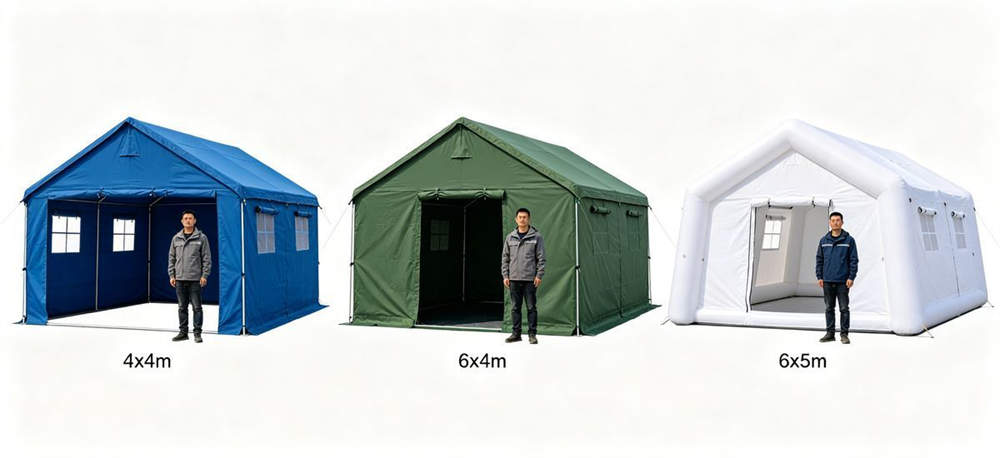
Not all emergency shelters use the same structure. The three most common types for institutional and humanitarian procurement serve different deployment speeds, site durations, and interior needs. Choosing the wrong type creates problems that no amount of fabric or flooring can fix.
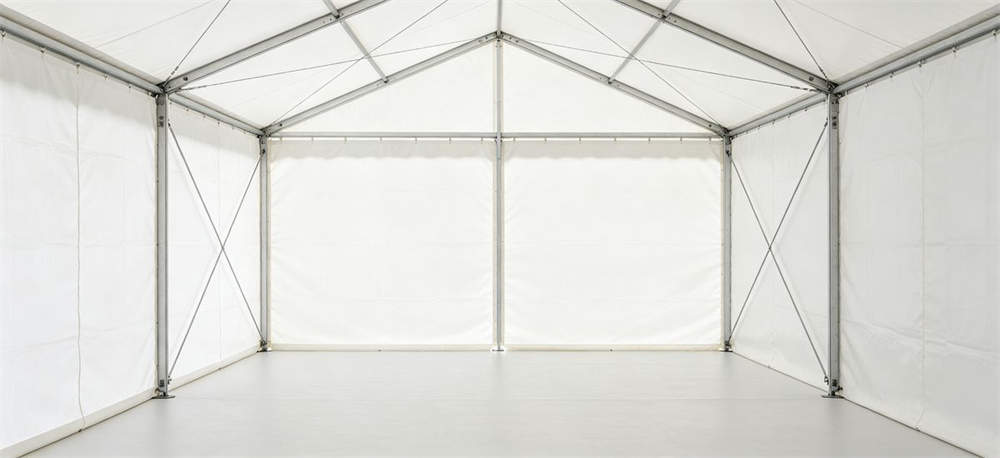
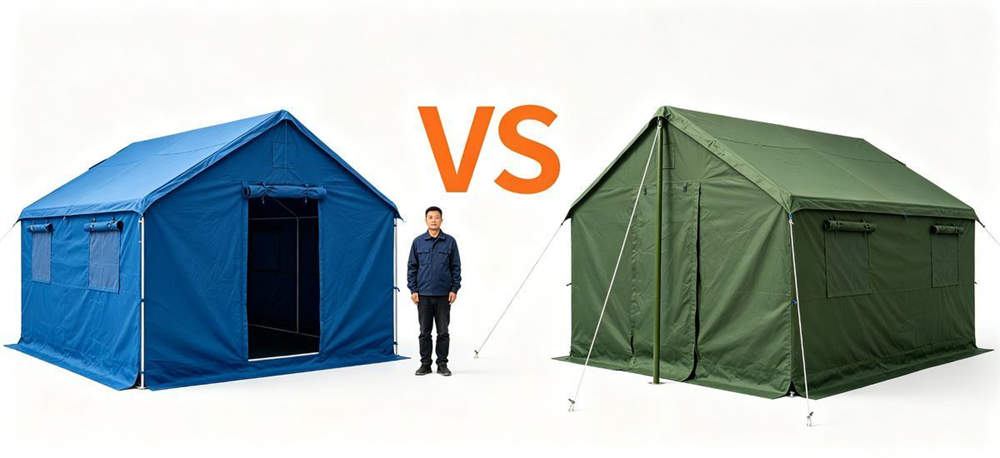
Frame tents use steel or galvanized steel uprights with roof supports, and the cover attaches over the frame. They provide straight interior walls, predictable usable floor area, and better support for lining, partitions, and lighting. Frame emergency tents are preferred for fixed-site accommodation, medical spaces, and coordination areas expected to stay in place for weeks or months. For a detailed side-by-side comparison, read our Frame Tent vs Pole Tent comparison guide.
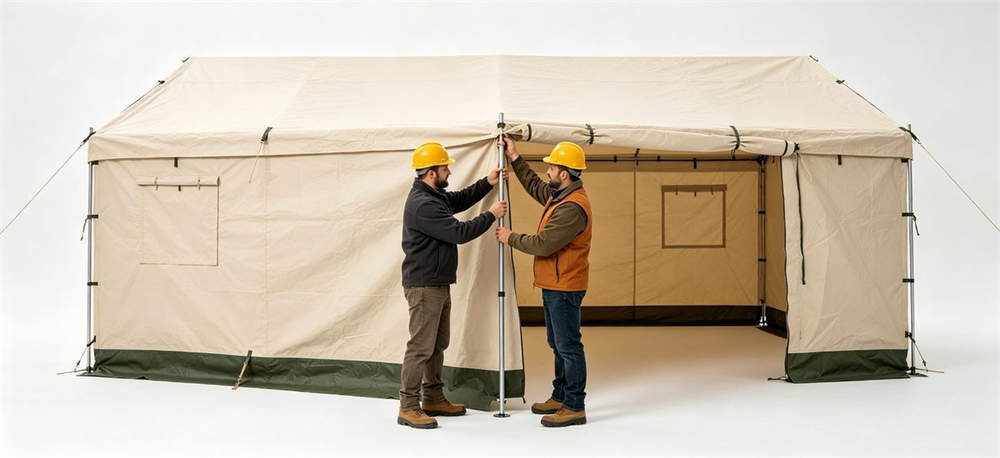
Pole tents use center poles and side poles with guy lines and stakes. They are typically lighter per square meter, faster to deploy by experienced teams, and more economical for large bulk orders. Pole relief tents work well for short-term disaster response, temporary storage, and situations where rapid deployment matters more than straight interior walls. They require more exterior space for guy lines and may not be suitable for restricted urban sites.
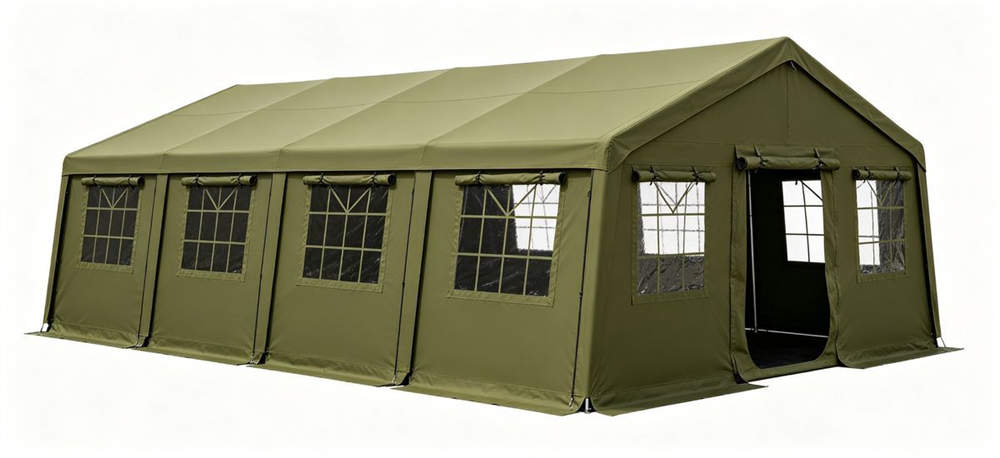
Inflatable tent shelters use air beams for quick setup instead of rigid poles and can be deployed very quickly with minimal crew. Hybrid systems combine frame elements with inflatable components. These types are less common for standard wholesale relief tent orders but may be appropriate for specialized medical or rapid-response programs. Confirm availability, repair kits, and inflation equipment before selecting this type.
Selection tip: If your project involves both long-term accommodation and rapid-response storage, consider a mixed order rather than forcing one tent type to serve both. A China factory manufacturer experienced in OEM relief tents can help you configure the right mix for your camp layout.
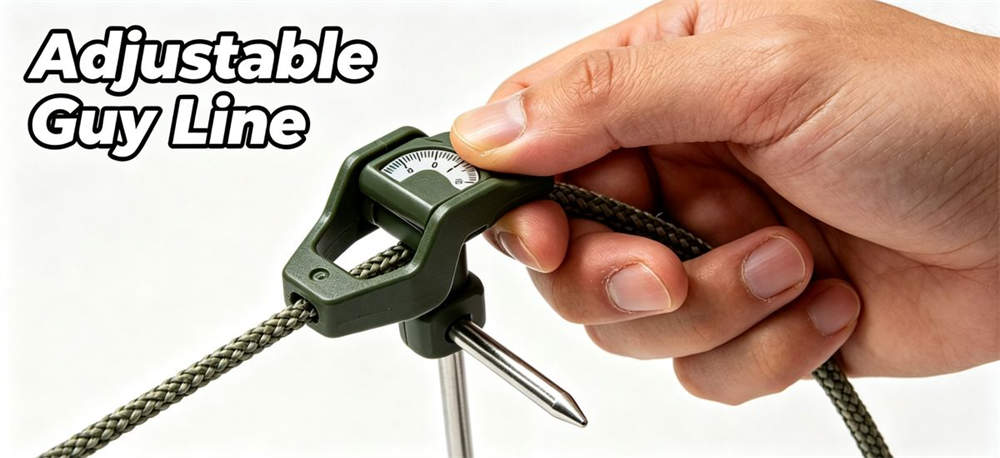
Soil, grass, gravel, concrete, and indoor floors may need different securing methods. Confirm whether stakes are allowed and where guy lines can be placed. Also map how people and vehicles move around the shelter.
The stated shelter footprint is not the only space required. Entrances, shelter spacing, drainage, and exterior anchors also need room. On a restricted site, lines or door positions may conflict with an access route.
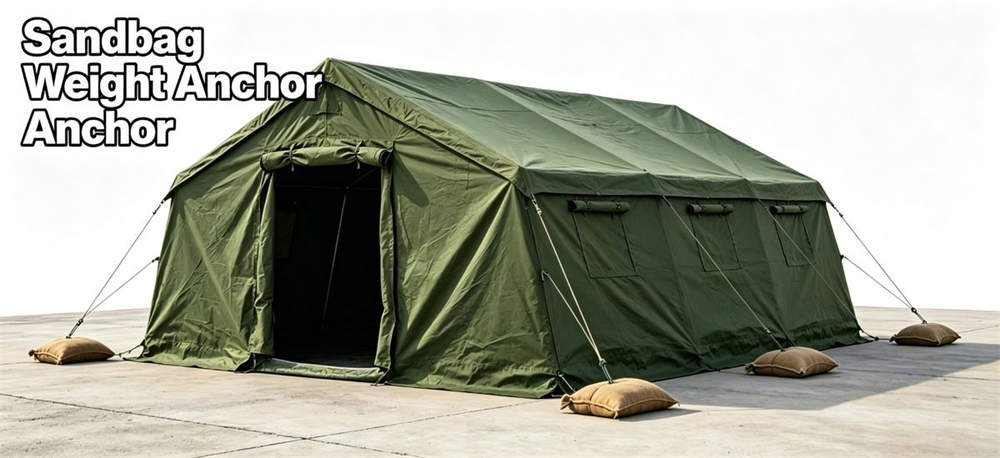
Provide the ground type, usable area, traffic routes, and drainage conditions. The supplier should explain anchor positions, included components, and anything the site must provide for the proposed model. A frame tent name does not prove that a shelter can be installed directly on every surface.
Frame tents typically use steel uprights with base plates, while pole tents rely on guy lines and ground stakes. If the site is concrete or asphalt, confirm whether weight plates or surface-mounted brackets are available instead of ground stakes. For bulk orders destined for multiple unknown sites, request anchoring options that work across soil, grass, and hard surfaces.
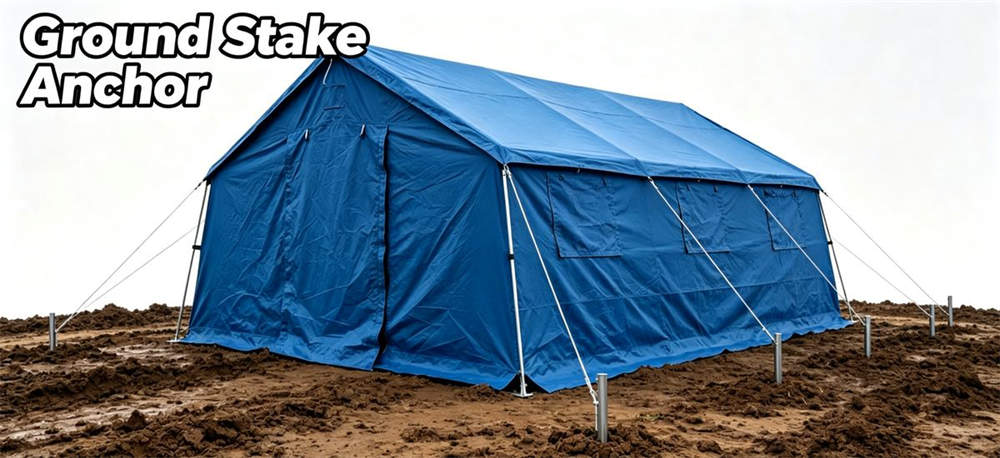
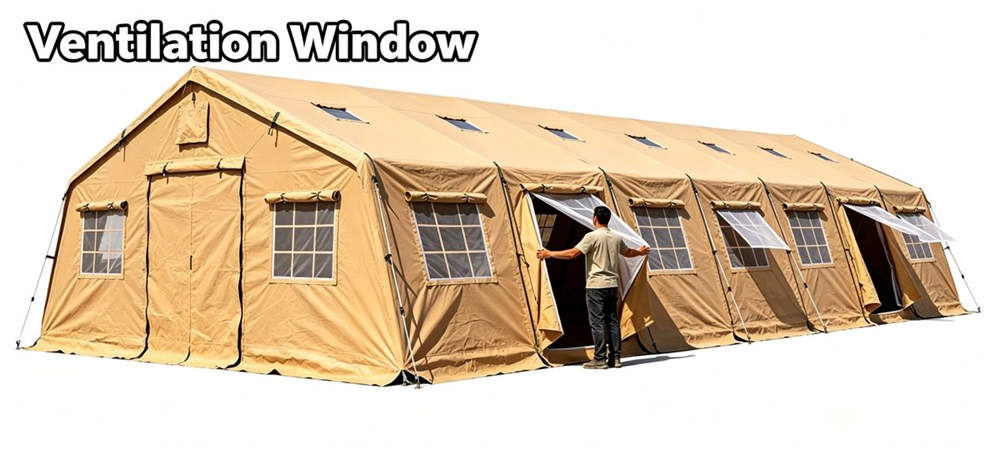
Short use in mild weather, prolonged exposure, heavy rain and wind, or cold and snow can require different structures, covers, anchors, flooring, and maintenance. A product name does not automatically prove waterproof waterproof water resistance rating, flame performance, wind performance, snow loading, or low-temperature capability.
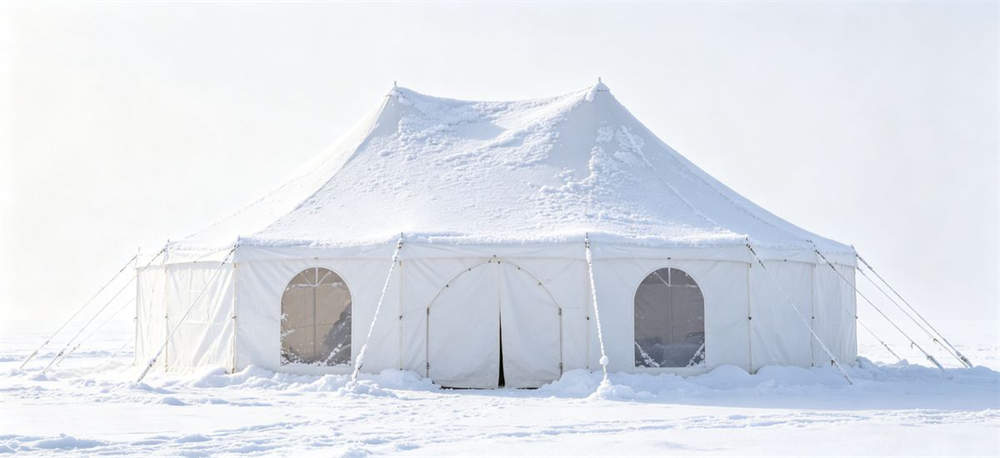
State the expected temperature, rain, wind or snow, season, continuous operating period, and deployment frequency. Cold-weather projects may also need lining, ground insulation, sealing, ventilation, condensation control, and heating interfaces. Asking only for a thicker fabric does not cover these requirements.
The supplier should connect each performance statement to the proposed material, structure, configuration, and available document. If evidence does not cover the actual configuration, keep the requirement open for clarification rather than treating a category label as proof.
For humanitarian aid programs operating in multiple climate zones, consider ordering a cover system rated for the widest expected range rather than the mildest condition. A China factory manufacturer offering custom emergency shelter solutions can help you specify cover weight, coating type, and lining options matched to your deployment regions.
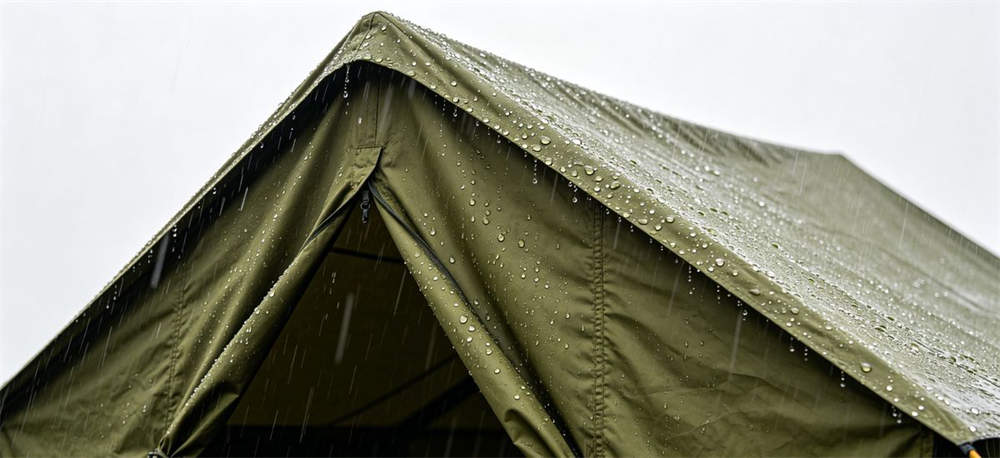
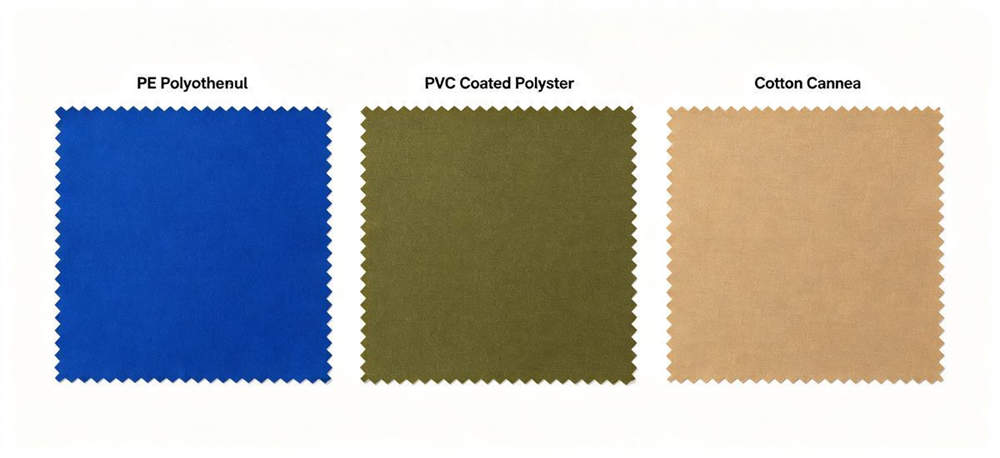
The cover material determines weather resistance, lifespan, weight, cost, and maintenance needs. Three material families dominate institutional and disaster relief procurement, and each serves a different operating period and budget.
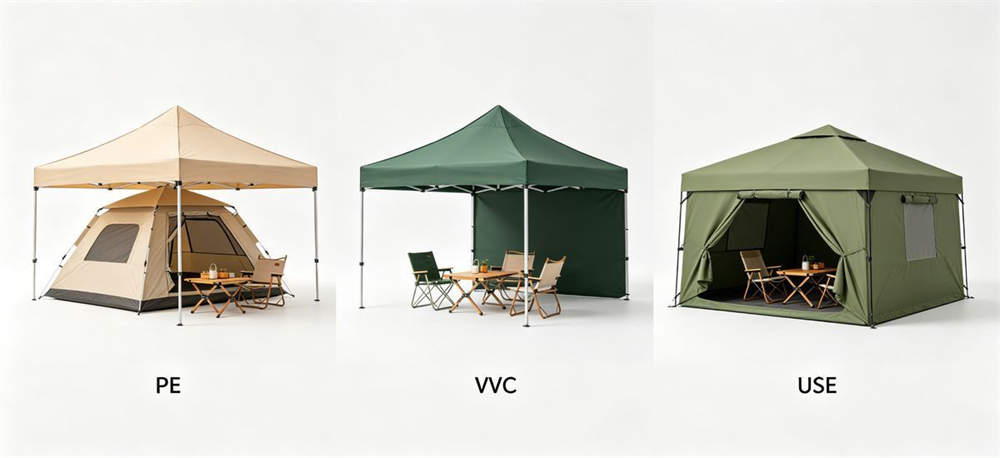
PE covers are lightweight, economical, and water-resistant. They are the most common choice for short-term disaster relief tents and large bulk orders where cost per unit is critical. PE covers typically serve 3–12 months of continuous use depending on UV exposure and handling. They are less breathable than canvas and may accumulate condensation in cold or humid conditions.
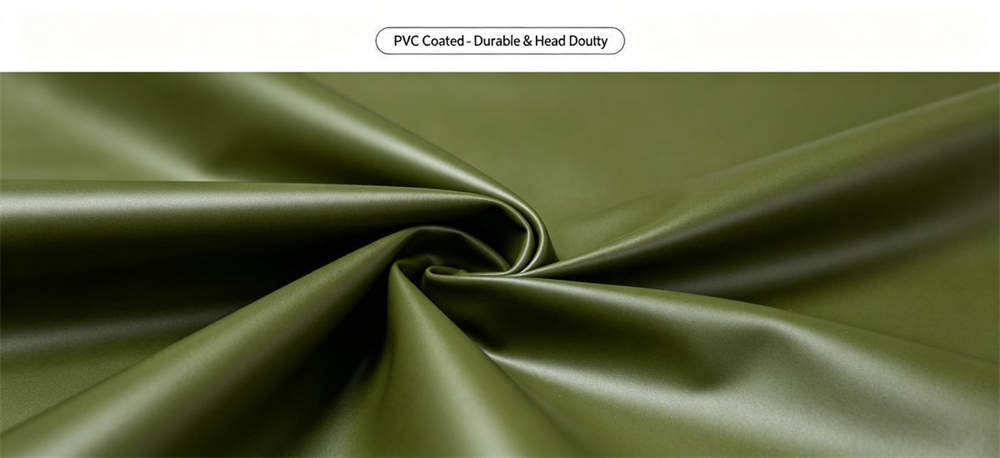
PVC coated polyester offers better tear strength, UV resistance, and longer service life than PE. It is preferred for medium-term emergency shelters (6–24 months), medical tents, and coordination spaces where durability matters. PVC covers are heavier per square meter and more expensive, but they provide more consistent performance over time and can be cleaned more effectively.

Cotton canvas and polyester-cotton blends offer excellent breathability, reduced condensation, and comfortable interior climate in warm conditions. They are heavier, require more maintenance (reproofing, drying), and cost more than PE or PVC. Canvas shelter tents are sometimes preferred for long-term accommodation in moderate climates, but they are less common for standard wholesale disaster relief orders due to weight and maintenance requirements.
|
Material |
Best For |
Typical Service Life |
Key Tradeoff |
|
PE (Polyethylene) |
Short-term disaster relief, large bulk orders, cost-sensitive programs |
3–12 months |
Low cost and light weight vs. shorter lifespan and less breathability |
|
PVC Coated Polyester |
Medium-term shelters, medical, coordination, repeated deployment |
6–24 months |
Durability and easy cleaning vs. higher weight and cost |
|
Cotton Canvas / Blend |
Long-term accommodation, moderate climates, breathability priority |
12–36 months (with maintenance) |
Comfort and breathability vs. weight, maintenance, and cost |
Do not compare two emergency tents through one material field. A different seam, coating, opening, floor connection, or attachment method can change how the complete shelter performs and how it should be maintained. For custom orders, request material specifications by component (roof, walls, floor) rather than a single "tent material" description.
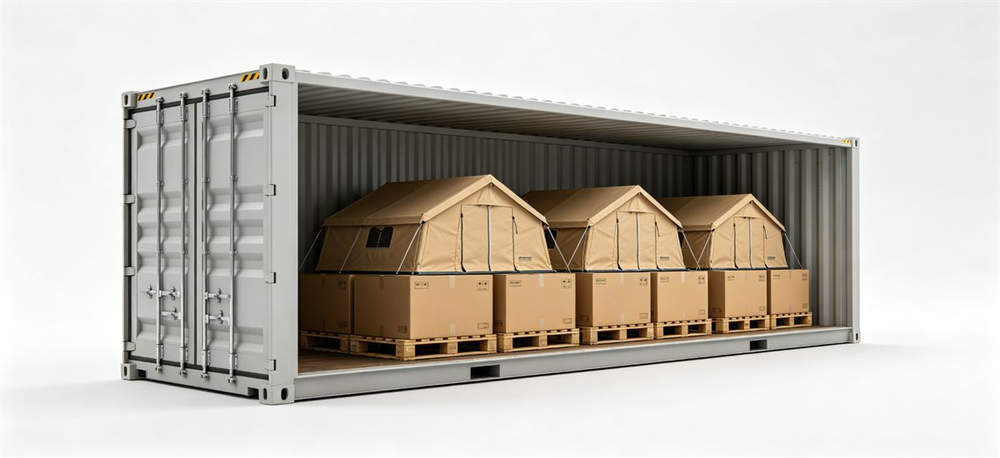
A shelter is not useful merely because it reaches the destination. Confirm who will assemble it and which tools are available. Check that long components fit through roads and entrances and that each package can be handled.
Repeated relocation also makes component identification, durable packaging, and replacement parts important.
State the available crew, vehicles, lifting equipment, warehouse entrance, site access, and expected relocation frequency. Do not ask only whether setup is fast. Different shelter sizes, connection systems, teams, and ground conditions cannot share one universal setup time.
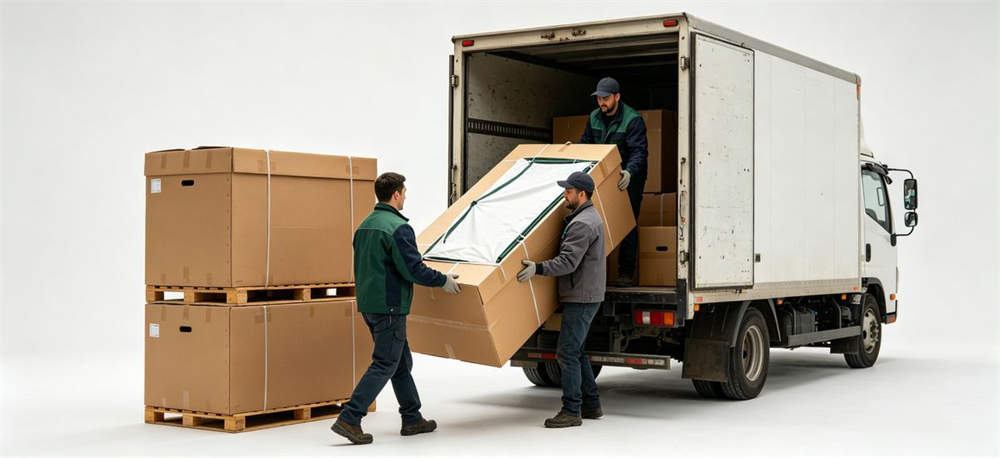
For the actual configuration, the supplier should return the package count, component scope, recommended tools, setup reference, and replaceable parts. Weight, volume, and setup time must remain specific to the quoted configuration.
As a general reference, a standard 4×6 m frame relief tent may be packed in 2–3 cartons with a total gross weight of 80–120 kg, and two trained workers can set it up in 30–60 minutes. Pole emergency tents of similar size may be lighter and faster but require more exterior space for guy lines. Always request configuration-specific data from your China factory manufacturer rather than relying on general estimates, especially for bulk orders where container loading and handling are critical.
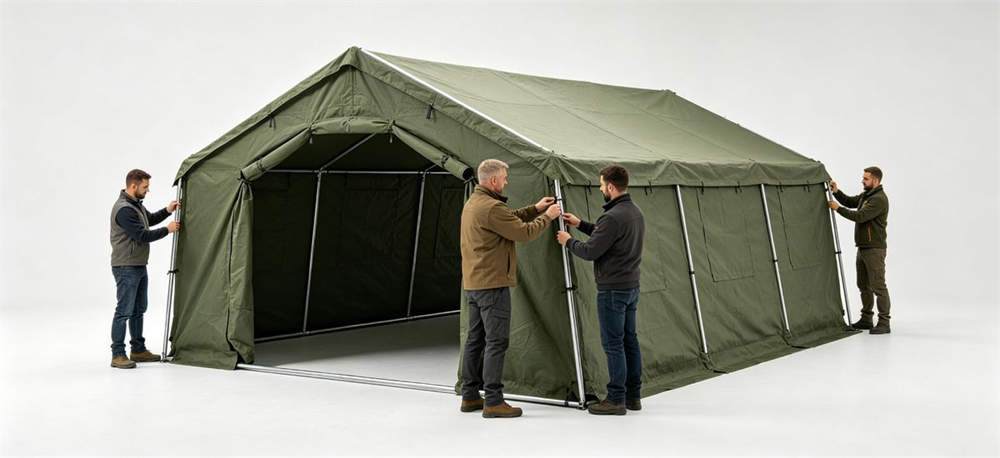
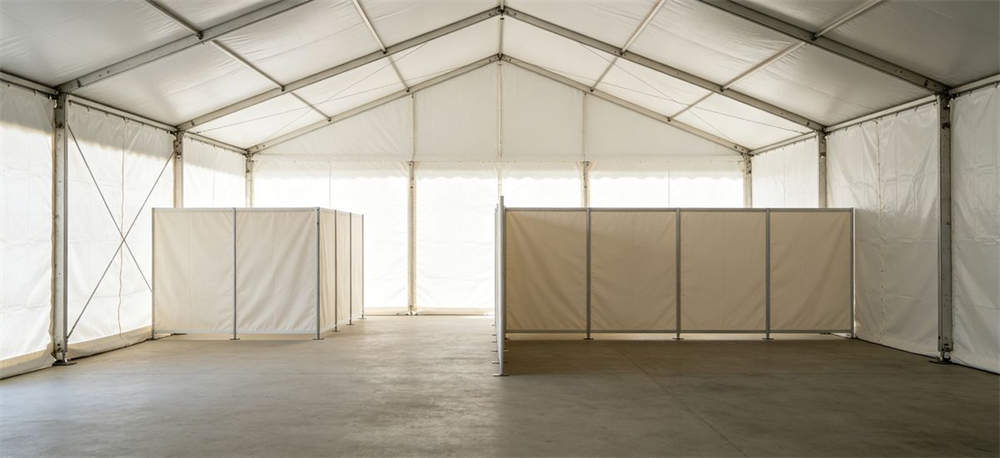
After selecting the structural type, confirm the cover, doors, ventilation openings, flooring, partitions, lining, anchors, and packaging. Each option should solve a project need rather than being added because it sounds more advanced.
Accommodation focuses on ventilation, privacy, and separation from the ground. Workspaces focus on openings, equipment, and zones. Storage focuses on clearance, access, and handling. Medical support requires additional confirmation of specialist systems and document boundaries.
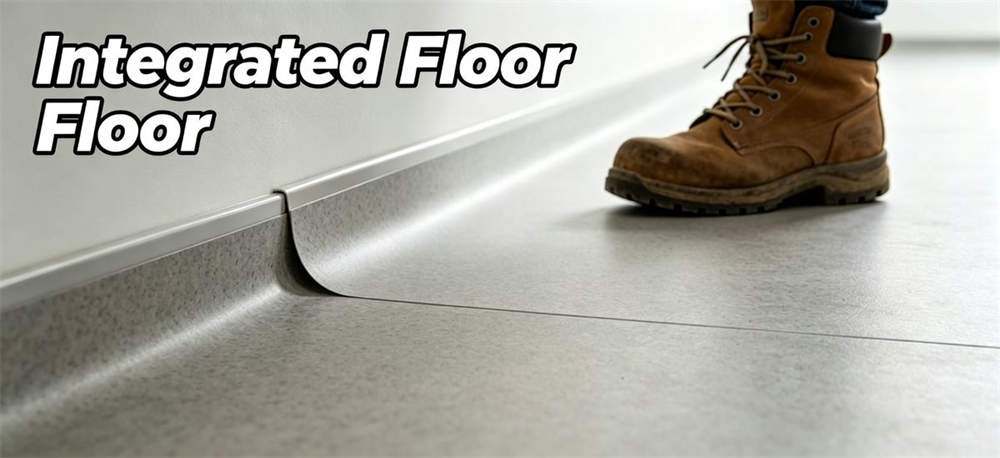
The supplier response should separate standard included items, optional items, and anything the buyer or site must prepare. This makes price differences understandable and prevents the delivery scope from depending on assumptions about the product name.
For institutional buyers placing wholesale or custom relief tent orders, request a configuration sheet that lists every component with quantity, material, and included-or-optional status. This sheet becomes the comparison baseline across suppliers and prevents disputes about what is included in the quoted price. OEM manufacturers in China typically provide this as part of the quotation process for bulk orders.
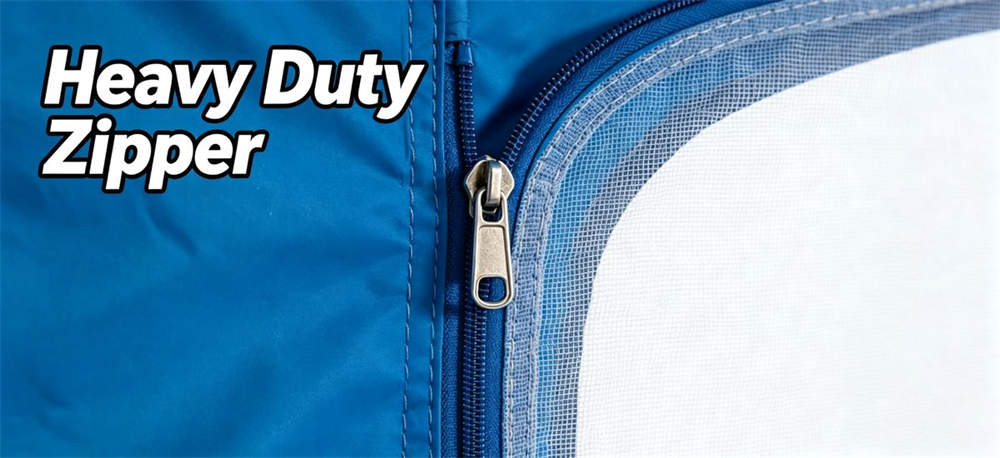

Send the same task, layout, site, environment, quantity, and packaging conditions to each supplier. Ask for a proposed structure, usable interior, included components, options, anchoring approach, packing reference, and document range. The response should also explain the recommendation.
If suppliers propose different solutions, do not compare total price first. Check whether they understood the same task and whether flooring, anchors, entrances, partitions, or packaging are missing from one response.
A comparable reply should explain whether the shelter fits, why it fits, and what still needs confirmation. Ask for current relief tent MOQ lead time details only after the configuration is defined. Specific performance statements must belong to the proposed shelter and its supporting evidence.
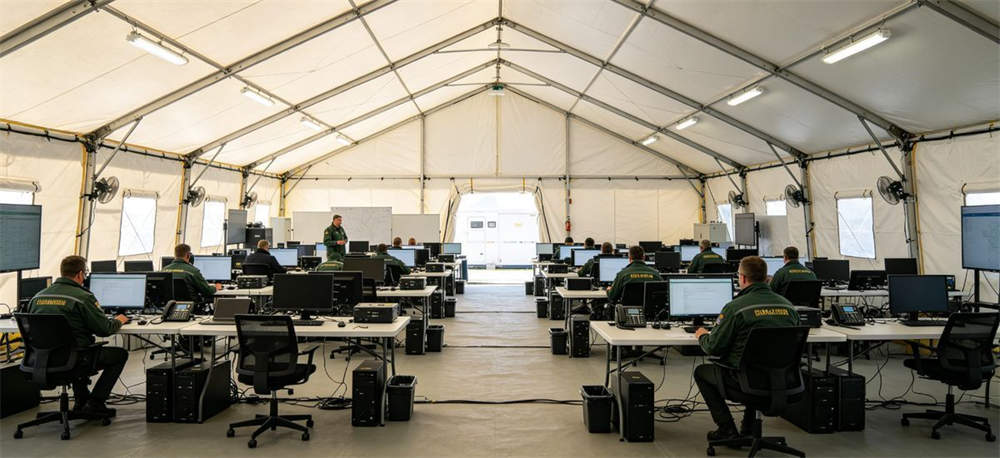
Buyers planning larger institutional projects may also review our emergency shelter product catalog to understand available frame sizes, cover options, and accessory ranges before sending inquiries. For best relief tent value in bulk, compare the complete delivered configuration rather than the per-unit price alone.

Error 1: Comparing floor area only.
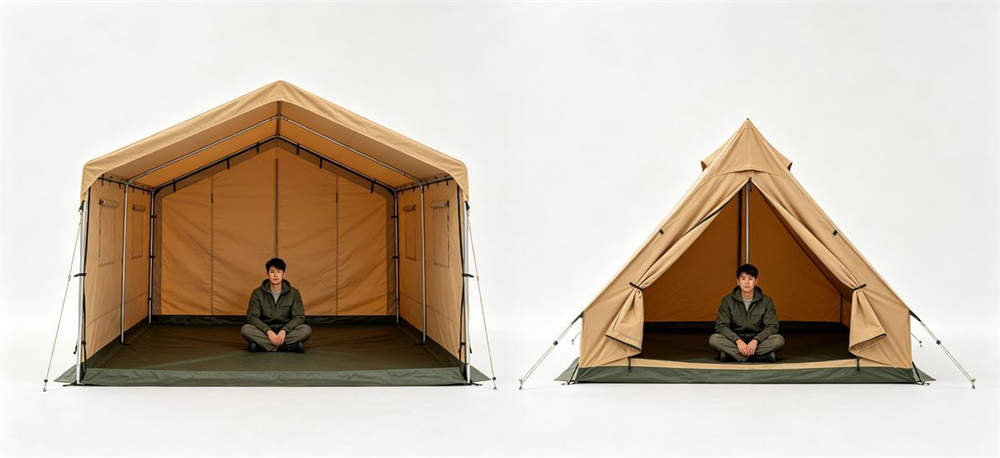
Error 2: Using one shelter for every task.
Error 3: Treating a category name as performance proof.
Error 4: Ignoring relief tent packing shipping verification in bulk orders.
A practical starting point: Write one sentence that says who will use the shelter, what will be inside, and where it will operate. If that sentence is unclear, do not lock the size or model yet.
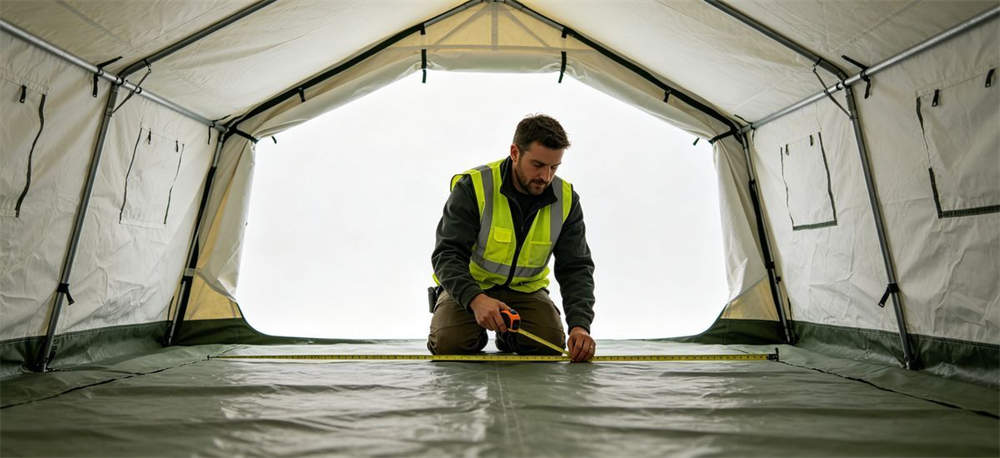
A sample should represent the proposed structure and configuration, not merely the same product family. Confirm frame joints, support positions, cover attachment, doors, ventilation openings, flooring, partitions, anchors, and the unit pack. Mark every difference between the sample and the quoted shelter.
Set up the sample or representative section using the intended tools and instructions. Check whether components are easy to identify, connections align, entrances operate freely, and the cover can be secured without unexplained parts. Measure the usable interior after supports and fittings are in place.
The result should answer whether the proposed tent fits the task and what must change. Appearance alone cannot confirm layout, included components, packing, or site compatibility.

Compare every sample against the same task and layout. Note the available floor area after supports are installed, the number and position of entrances, and any blocked route. Check which parts arrive with the shelter and which must be selected separately.
Then write one clear reason for choosing or rejecting each option. If a sample needs a different door, floor, anchor, or pack, ask for that revised configuration on a separate line. This keeps price comparison connected to the shelter that will actually be used.
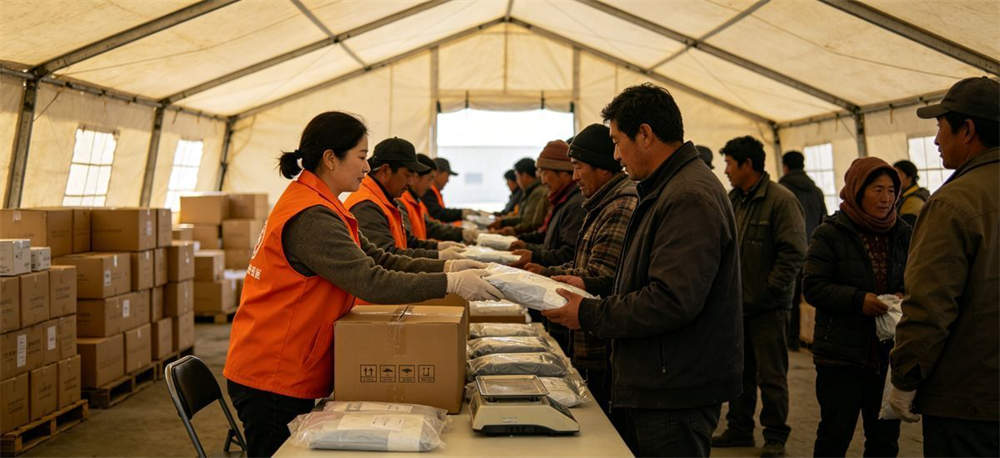
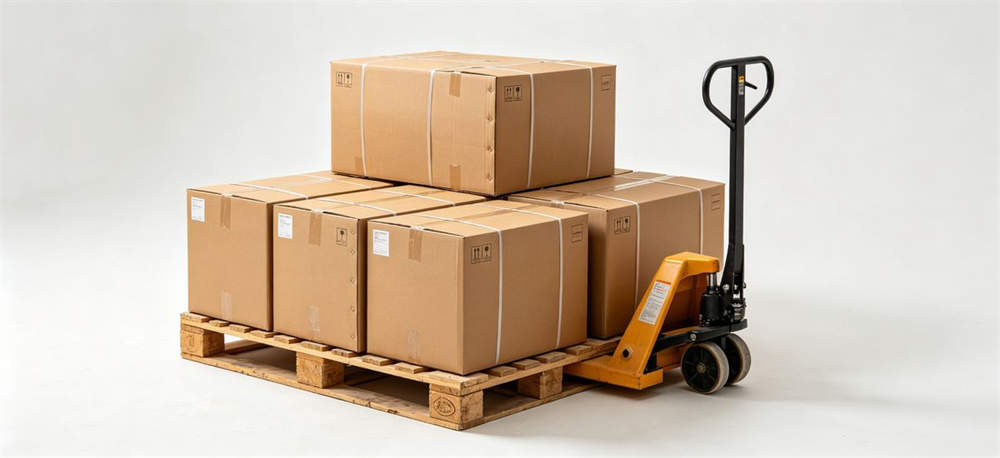
Frame parts, covers, floors, anchors, and accessories may be packed separately. Ask for the package count, dimensions, gross weight, identification, and component list for the proposed configuration. These figures must come from the selected tent, not another size.
Compare the longest component with road access, doors, lifts, and available vehicles. Check whether each package can be handled by the planned team and whether parts remain identifiable after repeated movement.
For projects that relocate shelters, packaging should protect components and make missing pieces easier to notice. A compact pack is not useful if it hides parts, exceeds handling limits, or damages the cover.
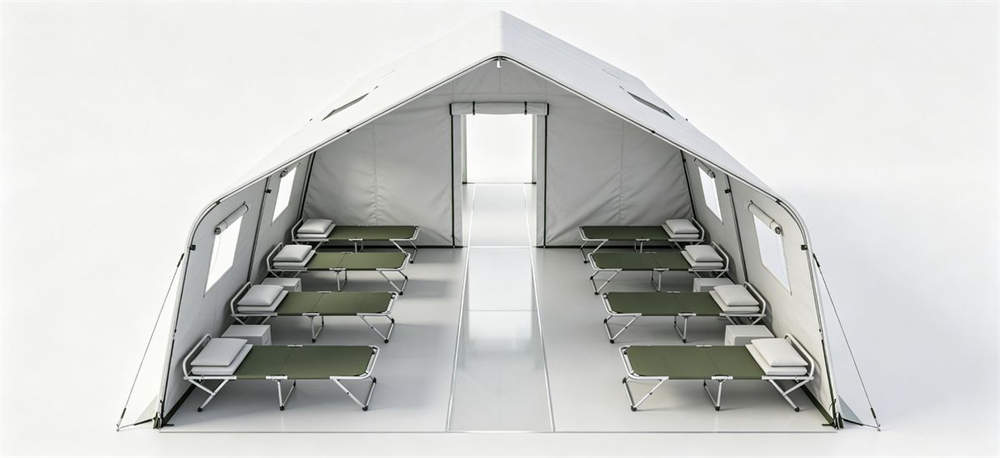
International sea freight buyers should confirm carton dimensions and total volume for container loading planning. A 20-foot container typically holds 80–120 standard relief tent units depending on size and packing method, but always request configuration-specific loading data from your manufacturer. For wholesale and bulk orders destined for humanitarian aid programs, also confirm carton marking, labeling languages, and any customs documentation requirements before production begins.
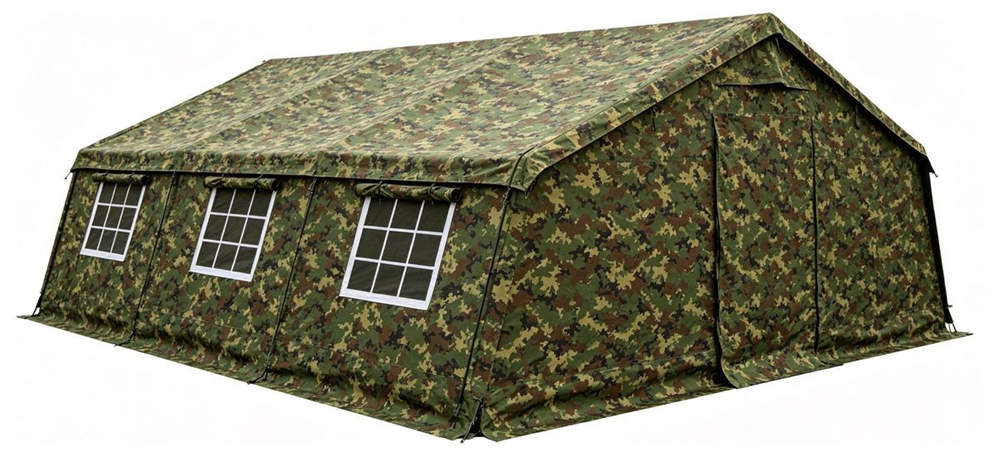
A clear inquiry states the primary task, occupants or contents, layout, site area, ground type, drainage, weather, and operating period. Add setup resources, quantity, destination, and packing needs.
Ask the supplier to identify the structure, usable interior, support positions, cover, floor, doors, ventilation, included components, and options. Also request the anchoring method, package data, and applicable documents. Keep alternative configurations on separate lines.
This information lets suppliers answer the same project problem. It also helps the buyer see whether a lower price comes from a genuine option or from missing space, components, flooring, anchors, packing, or evidence.
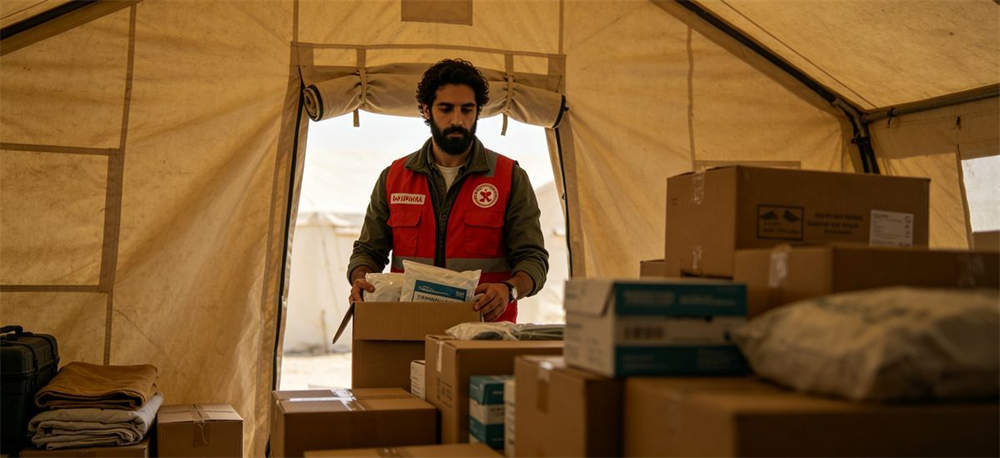
|
Information Category |
What to Provide |
Why It Matters |
|
Project task |
Accommodation, storage, coordination, medical, or mixed use |
Determines interior layout and required features |
|
Occupants or contents |
Number of people, bed type, equipment list, or supply dimensions |
Affects usable space calculation and entrance size |
|
Site conditions |
Ground type, area, drainage, access routes, anchoring limits |
Determines structure type and anchoring method |
|
Weather and period |
Temperature range, rain/wind/snow, season, continuous use duration |
Affects cover material, lining, and structural rating |
|
Setup resources |
Crew size, tools, vehicles, lifting equipment, relocation frequency |
Affects packaging design and component handling |
|
Quantity and destination |
Unit count, shipping destination, packing and marking requirements |
Affects pricing, lead time, and container loading |
|
Custom requirements |
Logo printing, custom colors, language labels, modified door positions, accessory kits |
OEM/ODM options affect lead time and production time and unit cost |
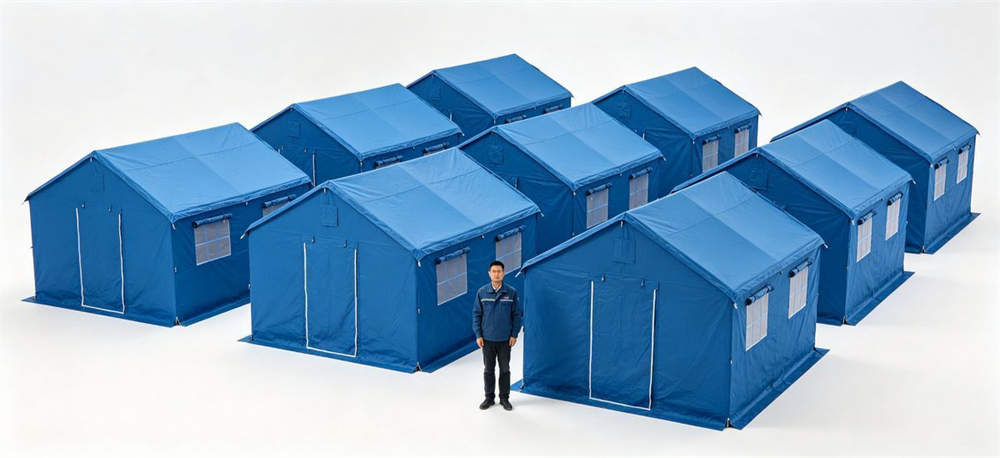
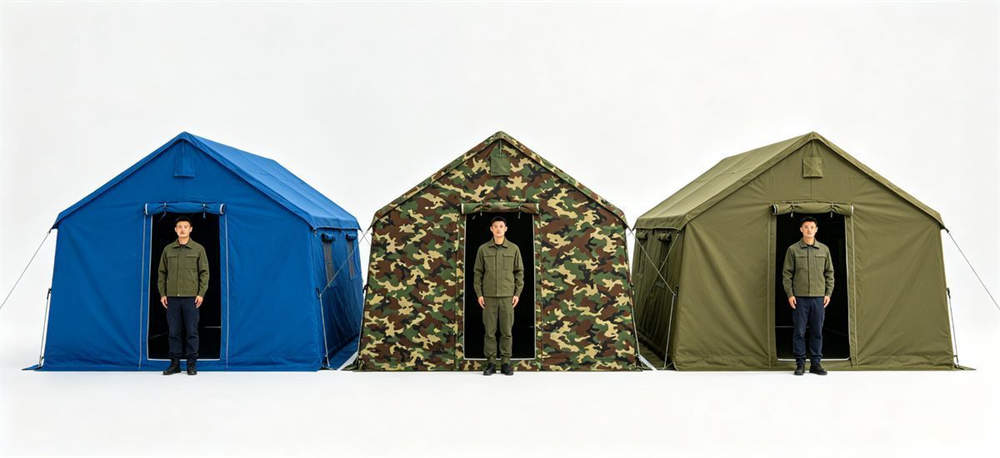
Every relief tent procurement involves trade-offs between heavy duty waterproof performance, quick setup speed, large capacity, and cost. Whether you choose a steel frame tent, pole tent, or inflatable tent with Oxford fabric, verify samples, confirm lead time, and select a supplier with CE and ISO certifications. Our China factory serves military, government, and NGO clients worldwide with door to door delivery.
Choosing the right relief tent for emergency shelter use is not about finding the biggest size or the lowest price. It is about matching the shelter configuration to the actual task, site, weather, and handling resources of your project. This buying guide has walked through seven decision points that every institutional buyer should answer before requesting quotes.
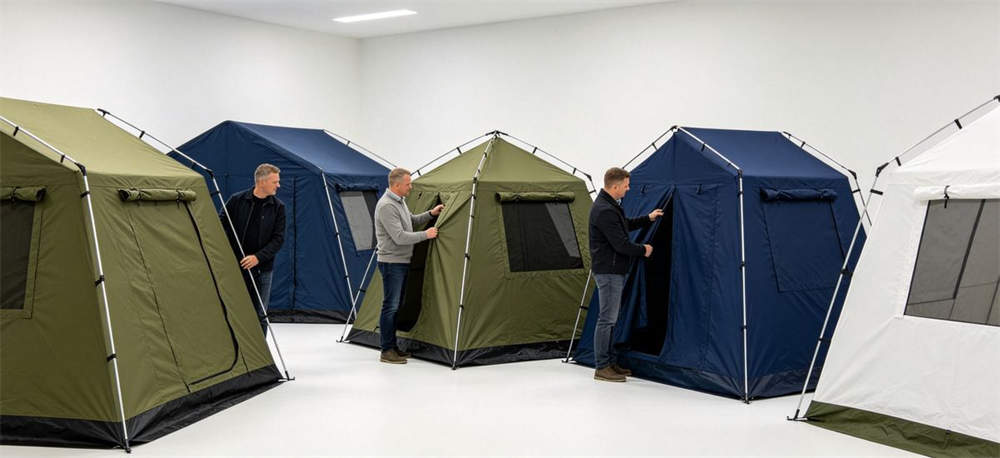
Before you send your next relief tent inquiry, confirm you have answered:
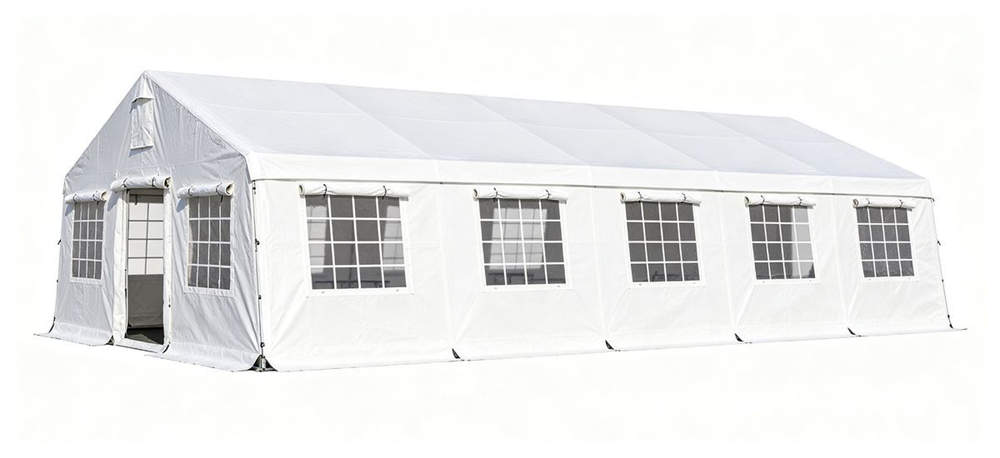
Define the primary task first. Accommodation, duty, storage, coordination, and medical support require different layouts and components. State one main purpose for each shelter group, then describe occupants or contents.
This prevents a supplier from guessing based only on a general product name. It is suitable for early project planning and tender preparation. This first step does not select a final model or packing plan.
Confirm those details after the task and site are clear.
No. Bed type, personal belongings, primary aisles, entrances, privacy zones, equipment, and care space all change usable capacity. A stated occupant figure is useful only when it is connected to a layout.
Draw the beds and clear routes first, then ask the supplier to recommend a suitable interior and opening arrangement. This approach works for accommodation planning. It is not suitable to copy a capacity figure from another shelter when the beds, support positions, or required aisles are different.
Exterior size is only one field. The supporting structure, cover, doors, ventilation, flooring, partitions, anchors, lining, accessories, and packaging can all differ. Two shelters with equal dimensions may therefore serve different tasks or require different site preparation.
Compare what is included and how the interior works, not size alone. This is especially important when comparing quotations. It is not appropriate to assume that a cheaper same-size shelter includes the same ground protection, anchors, openings, or documents.
What is the difference between frame tents and pole tents for emergency use?
Frame tents use steel uprights with roof supports and provide straight interior walls, predictable floor area, and better support for lining and partitions. They are preferred for fixed-site accommodation, medical, and coordination spaces. Pole tents use center and side poles with guy lines, are lighter and faster to deploy, and work well for short-term disaster response and storage. For a full comparison, read our Frame Tent vs Pole Tent guide.
Choose frame tents when interior usability and longer deployment matter. Choose pole tents when rapid deployment, low weight, and cost per unit are priorities. Many camps use a mix of both types rather than one for everything.
Which relief tent material is best for my climate?
PE (polyethylene) is best for short-term disaster relief and cost-sensitive bulk orders. PVC coated polyester offers better durability for medium-term use (6–24 months) and is easier to clean. Cotton canvas or polyester-cotton blends provide the best breathability for long-term accommodation in moderate climates but require more maintenance.
For cold or humid climates, prioritize PVC with lining or canvas with proper ventilation to manage condensation. For hot and sunny climates, consider lighter colors and breathable materials. Always request material specifications by component (roof, walls, floor) rather than a single "tent material" description.
Not automatically. Storage prioritizes clear height, access, handling routes, and protection of supplies. Accommodation also needs bed spacing, movement, ventilation, privacy, entrances, and suitable separation from the ground.
A storage structure may be assessed only after these human-use conditions are reviewed. It is suitable when a specific configuration supports both tasks and the areas are properly separated. It is not suitable to rename a warehouse shelter as accommodation without checking the internal layout and required components.
No. Medical support describes an intended task, not automatic certification, negative pressure, cleanliness, or isolation performance. Those capabilities depend on the complete shelter, internal systems, testing, operating procedures, and applicable documents.
A frame tent can provide space for triage or temporary medical work when correctly configured. It is not suitable to claim specialist medical performance from the tent name alone. Buyers should state the exact activity and request evidence that applies to the proposed system and configuration.
Minimum order quantities vary by manufacturer, tent type, and customization level. Standard models may be available from lower quantities, while custom colors, logo printing, modified door positions, or specialized accessory kits typically require higher minimums. For wholesale and bulk institutional orders, MOQ is usually discussed after the configuration is defined rather than quoted as a fixed number upfront.
Always ask for current relief tent MOQ lead time details after confirming the exact configuration, as these can change based on production capacity and order complexity. A China OEM manufacturer experienced in relief tents can advise on quantity tiers and pricing breaks for bulk orders.
How long does sea freight shipping take for bulk relief tent orders from China factory?
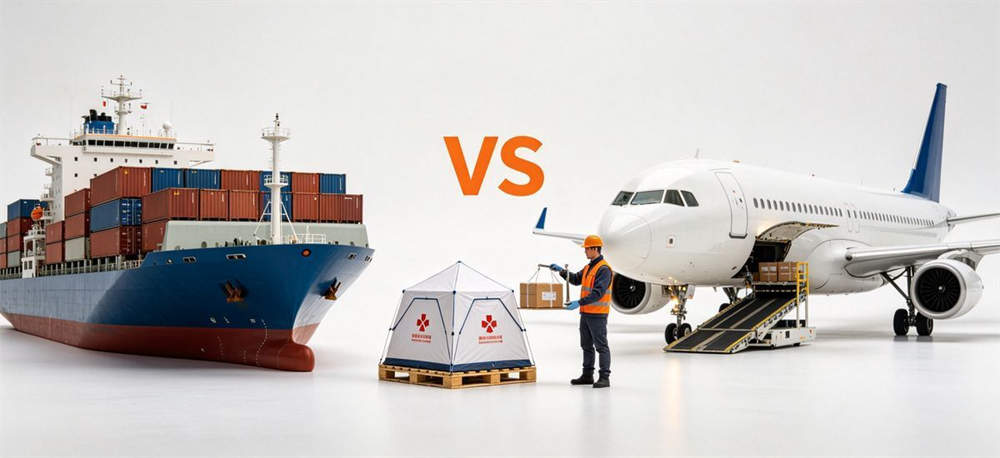
Shipping time depends on order quantity, customization level, production schedule, and destination. Standard production for bulk orders typically takes several weeks, with sea freight adding additional transit time depending on the destination port. For urgent humanitarian aid programs, some manufacturers may offer expedited production or air freight options at additional cost.
Always confirm production lead time and shipping estimates before finalizing an order, and build buffer time into your project schedule for customs clearance and inland transport. For wholesale orders from China factory manufacturers, sea freight is typically the most cost-effective option for large quantities, while air freight may be considered for urgent small shipments. For repeat orders with confirmed configurations, lead time and production times may be shorter than first-time custom orders.
Not always. A clear hand-drawn layout can be enough for the first comparison if it shows entrances, primary aisles, beds, worktables, equipment, or supplies. Add the site dimensions, ground type, and intended task.
This helps the supplier identify conflicts and recommend a type. It does not replace the formal technical drawing when the project later requires precise interfaces, specialist systems, or installation documents. Keep measurements readable and identify every area that must remain clear.
How can buyers judge whether a supplier recommendation fits?

Check whether the recommendation answers the stated task, layout, ground, weather, setup resources, and operating period. Review the support positions, openings, included components, options, anchors, packaging, and document range. A useful recommendation explains why the configuration fits and where its limits are.
It is suitable for comparison when every supplier receives the same project conditions. When comparing China factory manufacturers and international suppliers, verify that the quotation includes the same components, packaging, and document range. It is not reliable when the response offers only a model name, general quality claims, or a price without connecting them to the actual requirement.
Check that the sample matches the proposed structure, cover, doors, ventilation openings, flooring, partitions, anchors, and packing. Measure the usable interior and compare support positions with the planned beds, equipment, and aisles. Open and close every entrance, inspect connections and seams, and identify which components are included.
A sample is suitable for comparison when its configuration is clearly linked to the quotation. It is not enough to inspect appearance alone or to use a sample from another size or structure as proof of the quoted shelter.
 |

|
Дружні посилання :
Авторське право © Custom Disaster - Relief Bedding: Tents, Sleeping Bags, Blankets Всі права захищені
професійна команда для обслуговування !