Категорії
Many buyers pick the cheapest sleeping bag and discover later that it is too thin for winter shelters, or too heavy for volunteers to carry. The mismatch is not the price — it is choosing the wrong specification for the actual use case. This guide explains how to match sleeping bag size, filling material and unit weight to your project, so you get the right warmth without paying for unnecessary weight.
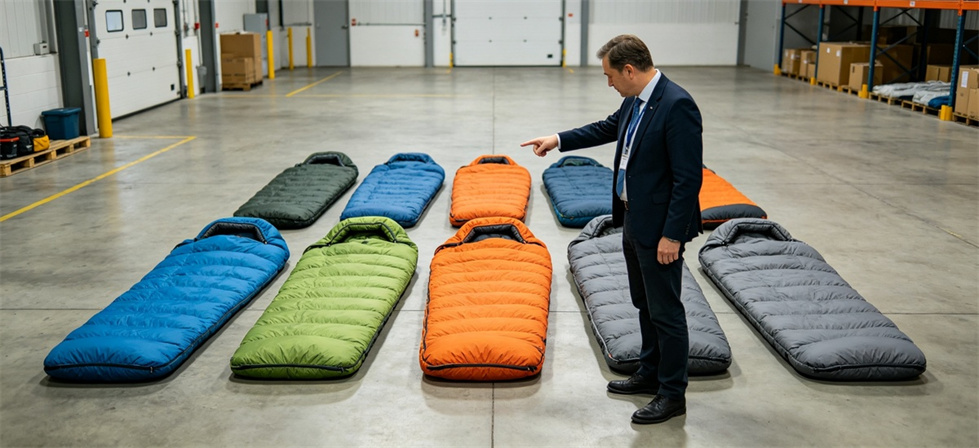
Whether you are sourcing for emergency shelters, refugee camps, schools, or outdoor programs, these steps apply to any bulk sleeping bag order. The same method works for envelope bags, mummy bags, and double bags — only the details change.
Before comparing any sleeping bag specification, answer four questions about your project:
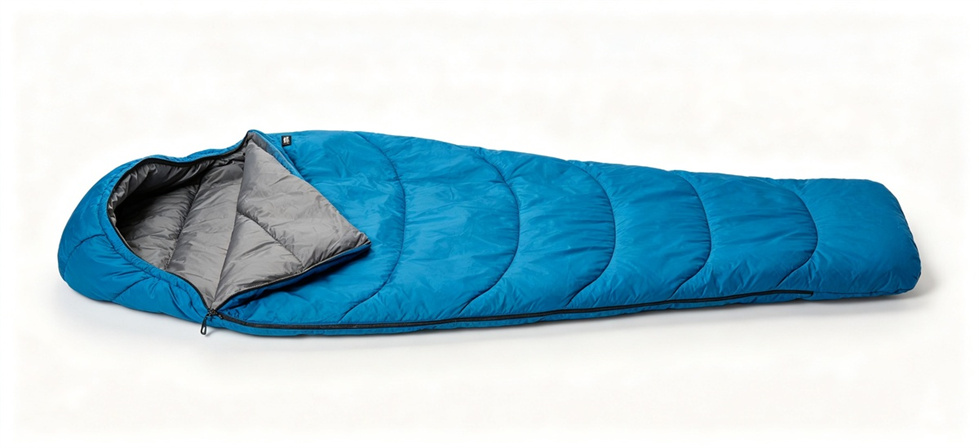
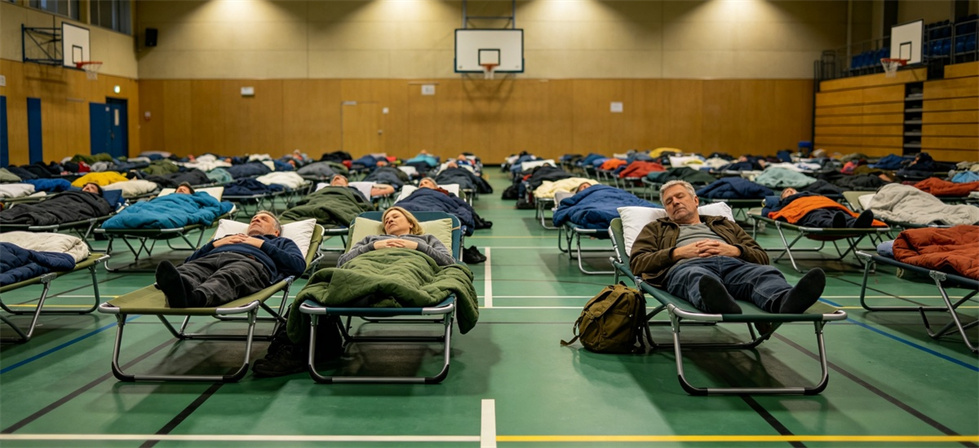
These four answers determine which size, filling and weight combination makes sense. A 3 kg bag is perfect for a cold outdoor camp but wasteful for an indoor gym shelter. A 0.7 kg bag is easy to carry but inadequate below 10°C. Match the setup to the scenario first, then compare prices for bulk wholesale orders.
Sleeping bag size affects user comfort, packed volume, and price. Use exact dimensions in your order — terms like "adult size" mean different things to different suppliers.
|
Size |
Dimensions |
User height |
Best for |
|
Child |
160 × 65 cm |
Up to 150 cm |
Children aged 6–12, school shelters |
|
Single compact |
180 × 75 cm |
Up to 170 cm |
Short adults, older children, storage-limited sites |
|
Single extended |
200 × 80 cm |
160–185 cm |
Most adults, general use, mixed groups |
|
Single long |
220 × 85 cm |
185–200 cm |
Tall adults, military, police |
|
Connectable double |
210 × 150 cm |
Two users |
Families, couples, shared accommodation |
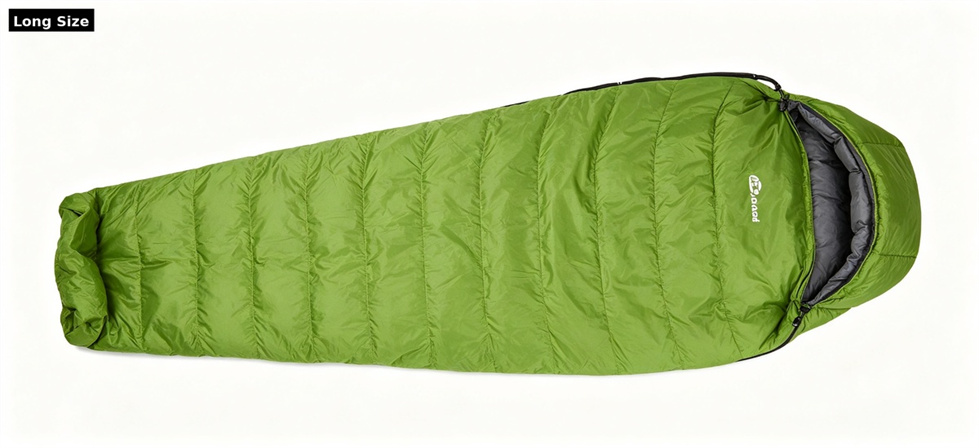
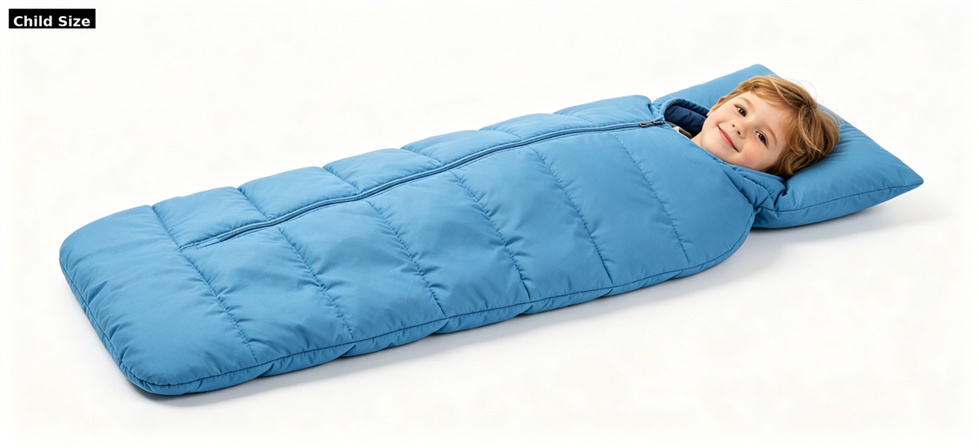
For institutional orders with mixed users, the 200 × 80 cm extended single covers about 85% of adults. A typical mixed-group allocation is: 70% extended single (200×80), 15% long size (220×85) for users above 185 cm, 10% compact (180×75) for shorter adults and older children, and 5% child size (160×65) for children aged 6–12. Adjust these percentages based on your actual user group. The double size is for specific shared-accommodation plans, not a default bulk option.
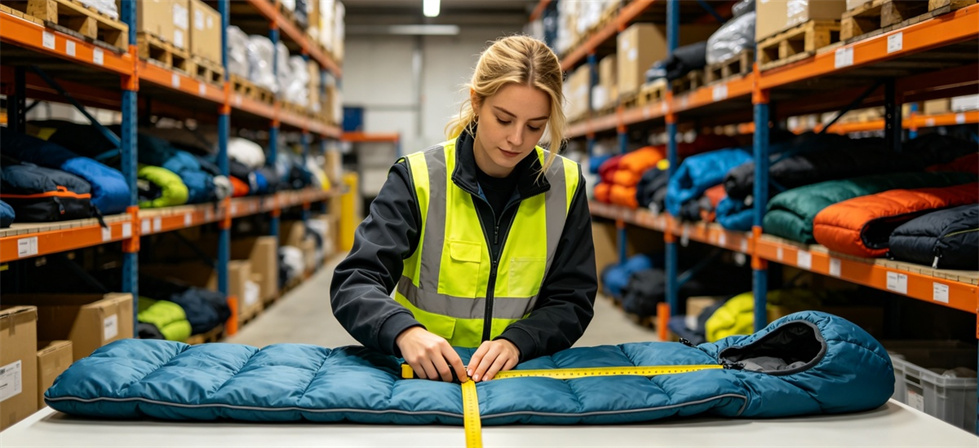
Tip: When measuring a sleeping bag, lay it flat on a hard surface with the zipper closed. Measure from the top of the hood (or shoulder line for hoodless bags) to the foot, and at the widest point. Keep the hood measurement separate from body length for mummy bags. For mixed-gender groups, note that women on average prefer a slightly shorter and wider fit — the 200×80 cm extended single works well for most women, while very tall users may need the 220×85 cm long size.
The filling determines warmth, weight, durability and care method. These are the two common options for emergency and institutional sleeping bags.
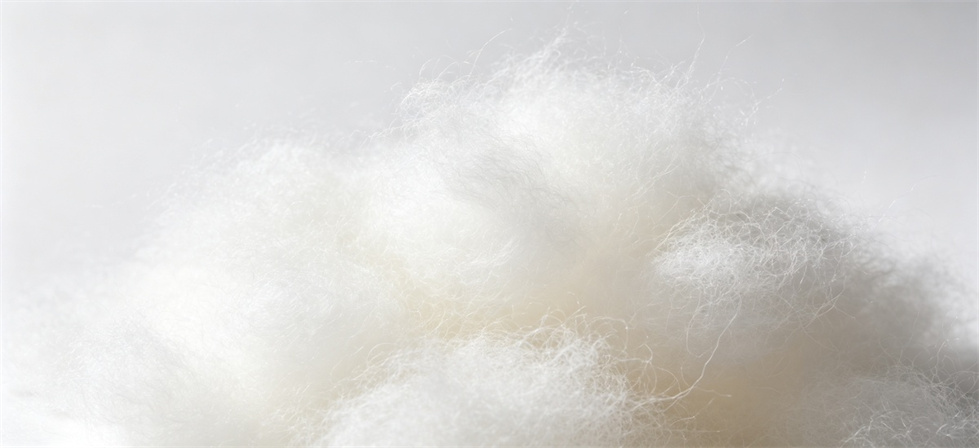
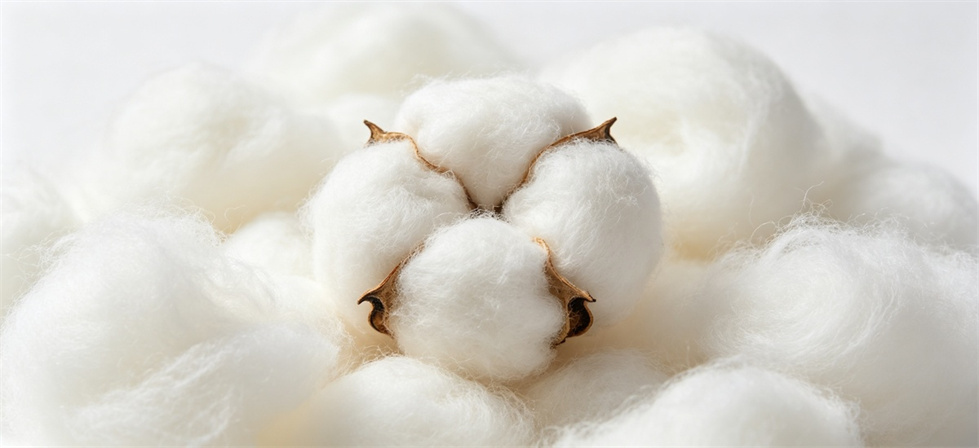
For most emergency and institutional orders, hollow polyester fibre is the practical choice — it is lighter, more durable, and easier to care for. Choose silk-like cotton only when softness against skin is a specific requirement and the bags will stay indoors.
Unit weight is the easiest number to compare, but it is also the most misunderstood. A heavier bag is not automatically better — it may just be a larger size or heavier fabric. Compare weight only between bags of the same size and filling.
|
Net weight |
Typical filling |
Temperature range |
Best use case |
|
0.7 kg |
150–200 g/㎡ |
15°C and above |
Indoor shelters, summer emergency, warm climates |
|
0.95–1.3 kg |
250–350 g/㎡ |
10–15°C |
General indoor use, mild outdoor, three-season |
|
1.8 kg |
400–500 g/㎡ |
5–10°C |
Cold indoor shelters, autumn outdoor, cool climates |
|
2.4–3 kg |
500–700 g/㎡ |
Below 5°C |
Winter outdoor, cold regions, high-altitude, extreme cold |
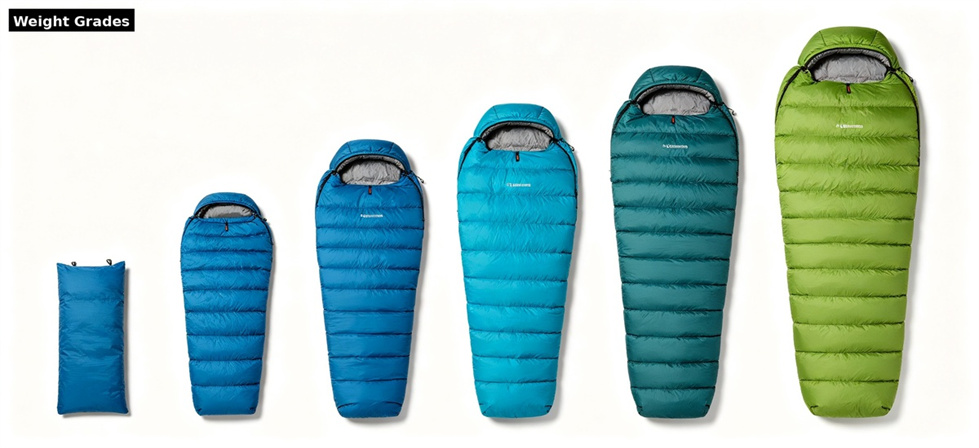
These are guideline ranges, not certified ratings. Actual warmth depends on size, shape, shell fabric, and whether the user wears extra clothing. Humidity and wind also affect real-world warmth — a damp sleeping bag loses up to 30% of its insulation value, and wind chill can make a 5°C night feel like 0°C. For outdoor or exposed sites, choose one weight grade higher than the temperature chart suggests.
|
|
|
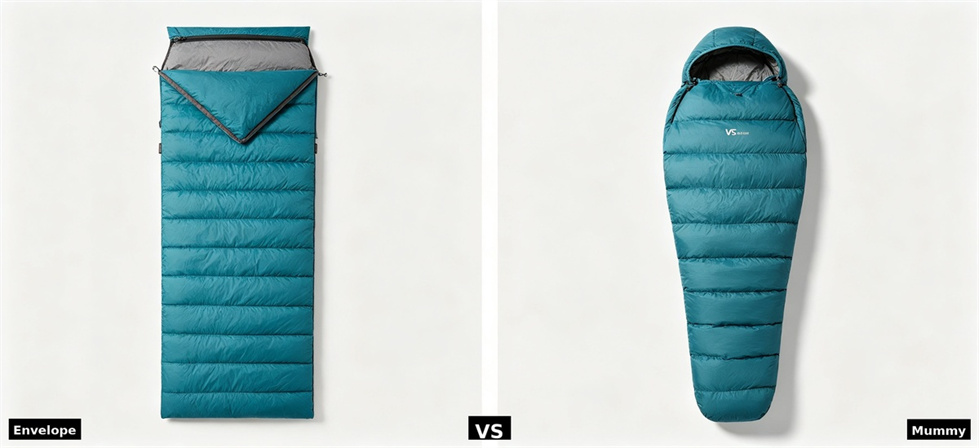
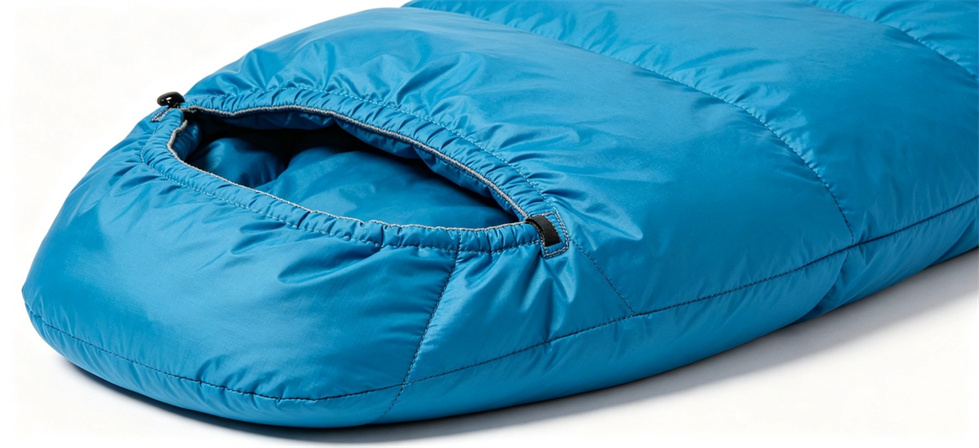
Bag shape changes how much warmth you get per kilogram. A mummy (tapered, hooded) bag has about 15–25% less internal air space than an envelope (rectangular) bag of the same length, so it heats up faster and retains warmth better. For the same filling weight, a mummy bag feels roughly 3–5°C warmer than an envelope bag. The trade-off is that mummy bags are less flexible — they cannot open flat as a blanket, and some users find the tapered shape confining.
Factor
Envelope
Mummy
Warmth per kg
Standard
15–25% better
Opens flat as blanket
Yes
No
User comfort (claustrophobia)
Better
Some users dislike
Packed size
Larger
Smaller
Best for
Indoor, mild, multi-use
Outdoor, cold, weight-sensitive
Always ask the supplier for the temperature basis (comfort, lower limit, or supplier estimate) and whether it matches this exact specification. A test report for a different size or filling amount does not apply to your order.
Here are the most common size + filling + weight combinations used in real emergency and institutional orders. Use this as a starting point, then adjust for your specific climate and user group.
|
Scenario |
Size |
Filling |
Weight |
Why this combination |
|
Indoor gym shelter, mild climate |
200×80 cm |
Hollow polyester |
0.95–1.3 kg |
Light enough to move, warm enough for indoor, durable |
|
Indoor shelter, cold winter |
200×80 cm |
Hollow polyester |
1.8 kg |
Extra warmth for unheated buildings, still manageable |
|
Outdoor tent, three-season |
200×80 cm mummy |
Hollow polyester |
1.3–1.8 kg |
Mummy shape reduces air space, better warmth-to-weight |
|
Outdoor winter / cold region |
200×80 cm mummy |
Hollow polyester |
2.4–3 kg |
Maximum insulation, hood and draft collar essential |
|
Children's shelter / school |
160×65 cm or 180×75 cm |
Hollow polyester |
0.7–0.95 kg |
Smaller size fits children, lighter for them to handle |
|
Family / shared accommodation |
210×150 cm double |
Hollow polyester |
1.8–2.4 kg |
Shared warmth, but heavier and larger to store |
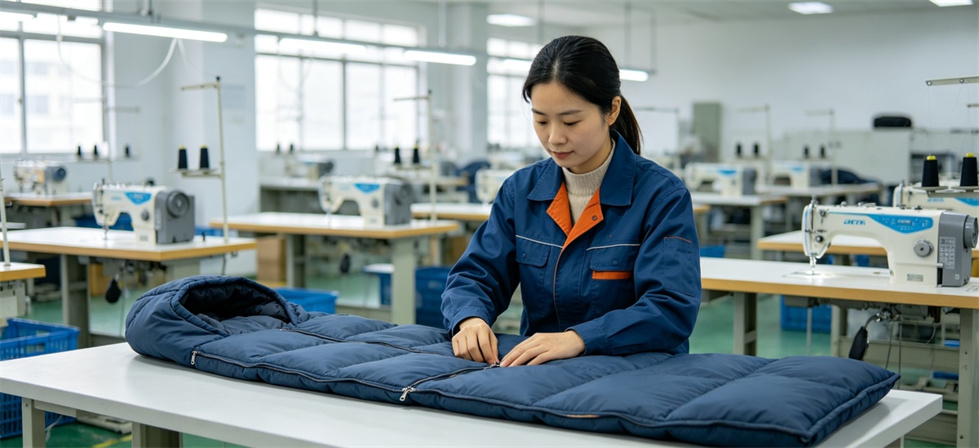
If your project covers multiple scenarios, order two specifications rather than one compromise bag. For example, a winter response plan might include 70% 1.8 kg bags for general use and 30% 2.4 kg bags for outdoor or extreme-cold positions. A single middle-weight bag will be too cold for some users and too heavy for others.
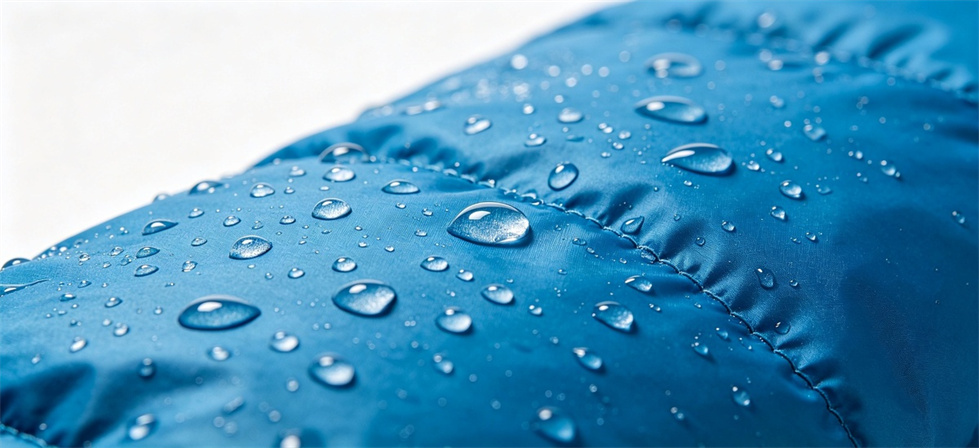
The shell and lining do not get as much attention as filling, but they affect durability, water resistance, and user comfort.
Shell fabric:
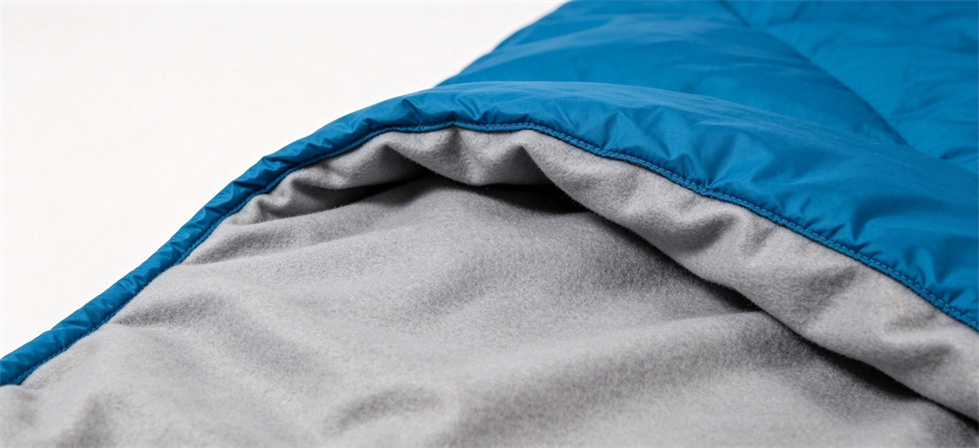
Lining fabric:
Always ask the supplier to list shell and lining separately in the quotation. A quotation that says "polyester fabric" without specifying shell vs lining may be using cheaper material on one side.
The weight you choose affects more than just warmth. It changes how many bags fit in a carton, how much freight costs, and whether your team can physically move the stock.
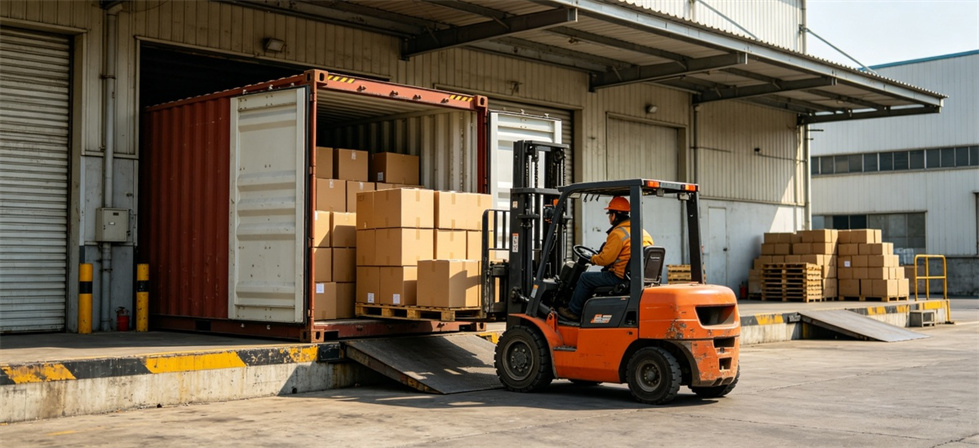
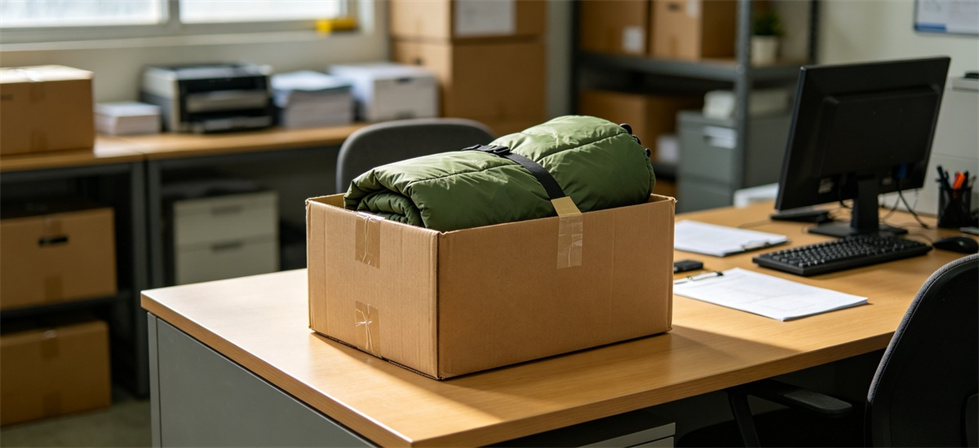
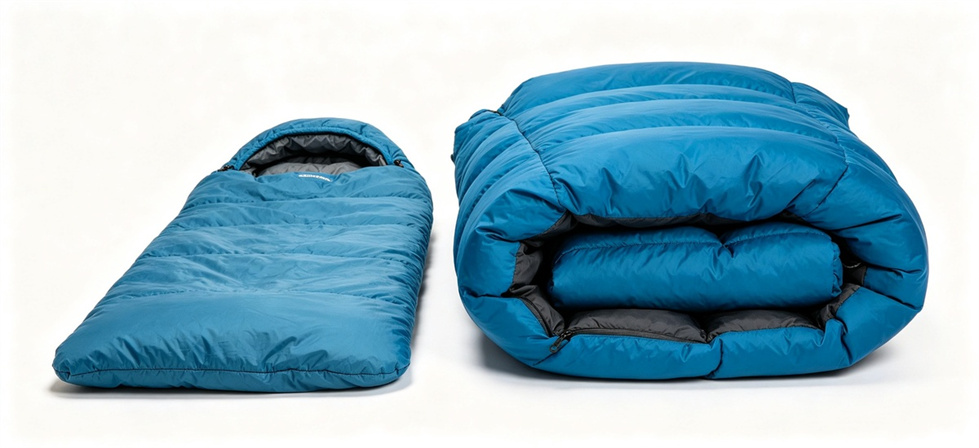
Before finalising a heavy specification, ask the supplier for the actual packed size, pieces per carton, and carton gross weight. To estimate container load:
(1) get carton dimensions in cm,
(2) calculate carton volume = L×W×H÷1,000,000 = m³,
(3) a 20-foot container holds about 28–30 m³,
(4) divide container volume by carton volume = max cartons,
(5) multiply by pieces per carton = estimated units. Always leave 10–15% space for pallets and loading gaps. Sometimes a slightly lighter bag with an extra blanket layer is more cost-effective than a single heavy bag.
The biggest reason supplier quotes are hard to compare is that each one quotes a slightly different specification. Fix this by sending the same precise RFQ to every supplier. Copy and adapt this template:

SUBJECT: RFQ - Emergency Sleeping Bags - [Your Project Name]
We are sourcing sleeping bags for [indoor shelter / outdoor camp / specific use].
Please quote the following specification:
1. PRODUCT: Sleeping bag
2. QUANTITY: [number] pieces
3. SIZE: [e.g. 200 × 80 cm, flat measurement]
4. SHAPE: [envelope / mummy, with or without hood]
5. SHELL: [e.g. high-density polyester, DWR coated / plain]
6. LINING: [e.g. breathable polyester]
7. FILLING: [e.g. hollow polyester fibre, 350 g/㎡]
8. FINISHED NET WEIGHT: [e.g. 1.3 kg ±5%]
9. TEMPERATURE: [state required range, ask for comfort/limit basis]
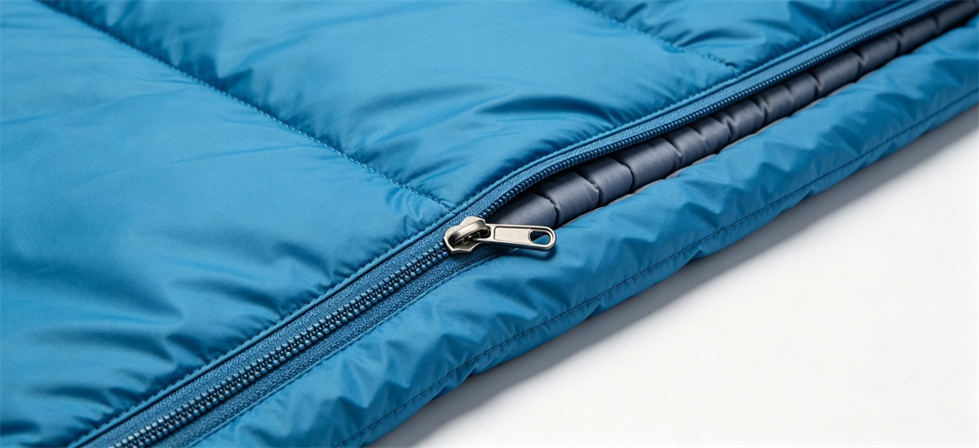
10. ZIPPER: [e.g. two-way nylon, with draft tube]
11. STORAGE BAG: [included? material? drawcord/compression?]
12. INNER PACKING: [PE bag per piece? label/hangtag?]
13. CARTON: [pieces per carton? carton dimensions? gross weight?]
14. COLOUR: [specify or request options]
15. CERTIFICATION: [test report available? which standard?]
Please quote per piece for this exact specification.
If any item cannot be met, state the alternative clearly on a separate line.
Sample availability and sample lead time:
Production lead time for confirmed order:
Ask every supplier to return the quote in the same format, with each specification on a separate line. Quotes that bundle multiple sizes or weights under one price are hard to compare — request a breakdown.
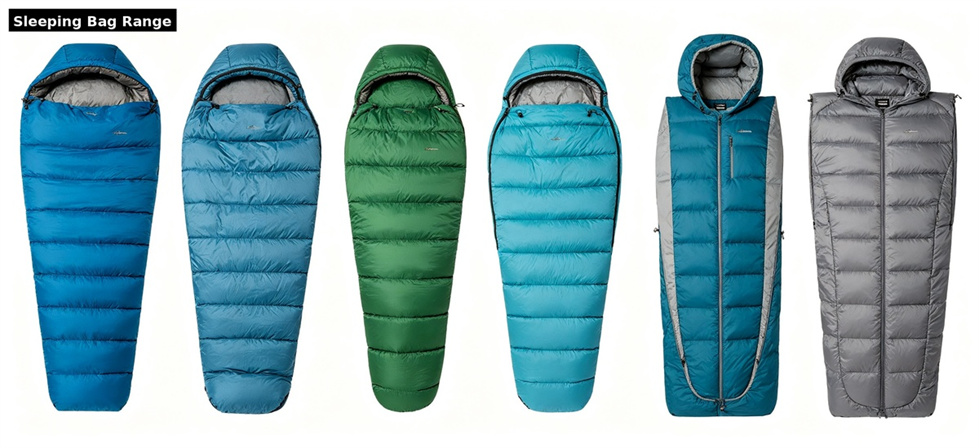
At YRF Textile, we supply bulk emergency sleeping bags in envelope, mummy, and double styles, with sizes from 160×65 cm children's bags to 220×85 cm long bags. Filling options range from 150 g/㎡ for mild climates to 700 g/㎡ for extreme cold. Every quotation lists shell, lining, filling, and net weight separately, so wholesale buyers know exactly what they are comparing.
We can provide fabric weight certificates, filling weight records, and production photos on request. For large orders, we welcome third-party inspection before shipment — this catches issues at the factory, before the container leaves China, saving time and freight costs. We also supply matching emergency blankets, foam mattresses, and folding beds for complete shelter kits.
If you are planning a sleeping bag order and want help matching size, filling and weight to your scenario, view our sleeping bag range or contact us directly.
Choosing the right sleeping bag is about matching three numbers — size, filling, and weight — to your actual use scenario. Start with where and how the bag will be used, pick the size for your user group, choose the filling for the environment, and select the weight for the temperature. Then check how that weight affects packing and freight.
Use the RFQ template to get comparable quotes, and order two specifications if your project covers multiple climates. The cheapest bag is not always the cheapest warm bag — calculate the all-in cost per warm unit, including freight and handling.
Not usually. A bag that works for an indoor gym shelter in summer will be too cold for outdoor winter use, and a winter-weight bag will be too heavy and expensive for indoor summer use. If your project covers multiple scenarios, order two or three specifications matched to each condition rather than one compromise bag.
No. Warmth depends on filling amount, bag shape, and shell fabric, not just total weight. A mummy bag with 350 g/㎡ filling may be warmer than an envelope bag with 400 g/㎡ filling because the mummy shape traps less cold air. Always compare filling amount in g/㎡ and bag shape, not just finished weight.
How do I match sleeping bag size to different body types?
Start with the user's height: under 170 cm uses 180×75 cm, 170–185 cm uses 200×80 cm, above 185 cm uses 220×85 cm. For shoulder width, users above 50 cm shoulder width may prefer the 80 cm width over 75 cm. Women on average fit well in the 200×80 cm extended single. For children, use 160×65 cm for ages 6–12. Always order at least 10% extra in the most common size to account for allocation errors.
Which filling is better for emergency orders: hollow polyester or silk-like cotton?
For most emergency and institutional orders, hollow polyester fibre is the better choice. It is lighter, more durable, machine washable, and holds its loft after repeated use. Silk-like cotton is softer but heavier, clumps more easily, and requires gentler care. Choose silk-like cotton only for indoor, comfort-focused use.
The 200 × 80 cm extended single covers about 85% of adults up to 185 cm. If your user group includes taller users (above 185 cm), add 10–15% long sizes (220×85 cm). The 180 × 75 cm compact size is for users up to 170 cm or for children. For children aged 6–12, consider the 160×65 cm child size.
How do I know if a temperature rating is accurate?
Ask the supplier which standard the rating follows (EN 13537 / ISO 23537 or supplier estimate) and whether a test report exists for this exact size, filling, and weight. A test report for a different specification does not apply to your order. If no test report exists, treat the number as a supplier estimate and verify with a sample.
Sometimes. A 0.95 kg sleeping bag plus a 300 g blanket can provide similar warmth to a 1.8 kg bag at a lower total cost, and the items can be used separately. But this means managing two products, more packing, and more storage. Calculate the total cost per warm unit, including freight and handling, before deciding.
How does bag shape affect warmth?
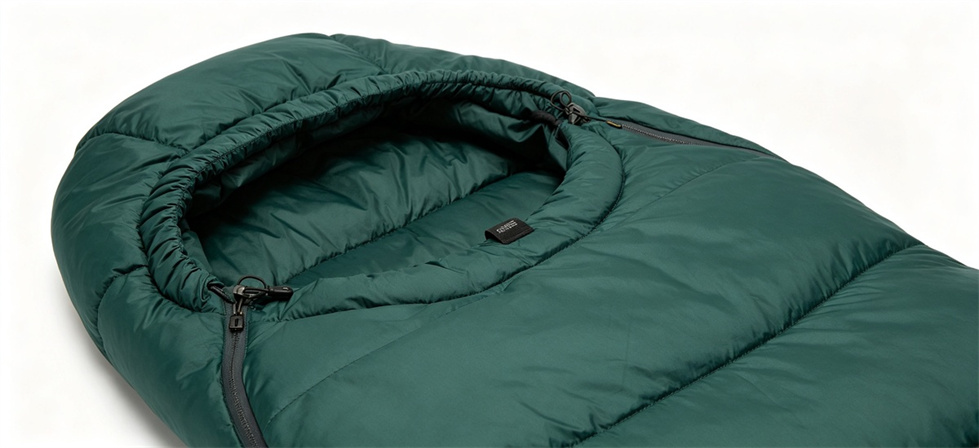
A mummy (tapered, hooded) bag is warmer than an envelope (rectangular) bag of the same weight because it has 15–25% less internal air space to heat. The hood and draft collar also reduce heat loss around the head and neck. For cold conditions, a mummy shape gives better warmth-to-weight ratio. For indoor or mild use, an envelope shape is more flexible and can open flat as a blanket.
How do I verify a supplier's temperature rating?
Ask three questions: which standard (EN 13537/ISO 23537 or supplier estimate), is there a test report for this exact size and filling, and what is the test lab name. A rating without a test report is a supplier estimate — treat it as a starting point, not a guarantee. Verify with a physical sample: sleep in it or use a thermal mannequin test if available. For bulk emergency orders, always order one weight grade above the minimum if the rating is unverified.
How many bags fit in a 20-foot container?
This depends entirely on the bag weight and packed size. A 0.7 kg envelope bag might pack 20 per carton — roughly 48,000–60,000 bags in a 20-foot container. A 3 kg mummy bag might pack 8 per carton — roughly 15,000–20,000 bags. Always get the actual carton dimensions and pieces per carton from your supplier before calculating container load.
For indoor emergency shelters (gyms, community centres), envelope bags are usually better — they can open flat as blankets, are easier to move, and work for users who do not like confined spaces. For outdoor or cold-weather use, mummy bags provide better warmth with less weight. Consider your primary use case before choosing.
Can I mix sizes and weights in one order?
Yes, and this is often the right approach. A typical mixed order might be 70% 200×80 cm 1.3 kg for general use, 20% 200×80 cm 1.8 kg for cold positions, and 10% 180×75 cm 0.95 kg for children. Ask the supplier to quote each specification separately so you can see the price difference.
A standard mixed adult allocation is 70% extended single (200×80), 15% long (220×85), 10% compact (180×75), and 5% child (160×65). If your group is mostly men, increase the long size to 20–25%. If mostly women or children, increase compact and child sizes. Always add 5–10% spare in the most common size. For weight ratios, match the size ratio to the climate: 70% medium weight + 30% heavy weight for mixed-temperature projects.
How do I calculate the right total weight for my budget?
Start with the warmest specification you need, then calculate the all-in cost per unit: product price + freight + carton + handling + storage. Compare that with a lighter specification plus an optional blanket layer. The cheapest unit price is not always the cheapest warm unit. Include the cost of returns or complaints if users find the bag too cold — that is real money too.
Need Help Choosing Sleeping Bag Size and Weight?
We supply envelope, mummy, and double sleeping bags from 0.7 kg to 3 kg, with sizes for children to tall adults. Send us your scenario and we will recommend the right combination.
 |

|
Дружні посилання :
Авторське право © Custom Disaster - Relief Bedding: Tents, Sleeping Bags, Blankets Всі права захищені
професійна команда для обслуговування !