For field training sites and duty rotations, equipment must withstand dust, wind, temperature changes and frequent setup-teardown cycles. Our field training and duty-support supplies are selected for durability, quick deployment and easy repacking. Whether you need a 50-person exercise camp or a 200-person rotation base, we can match product specifications, packing units and delivery schedules to your project timeline.
Our field training and duty-support supplies cover five core product groups. Each group includes multiple models and configurations, allowing buyers to select items based on camp size, climate, training type and budget.
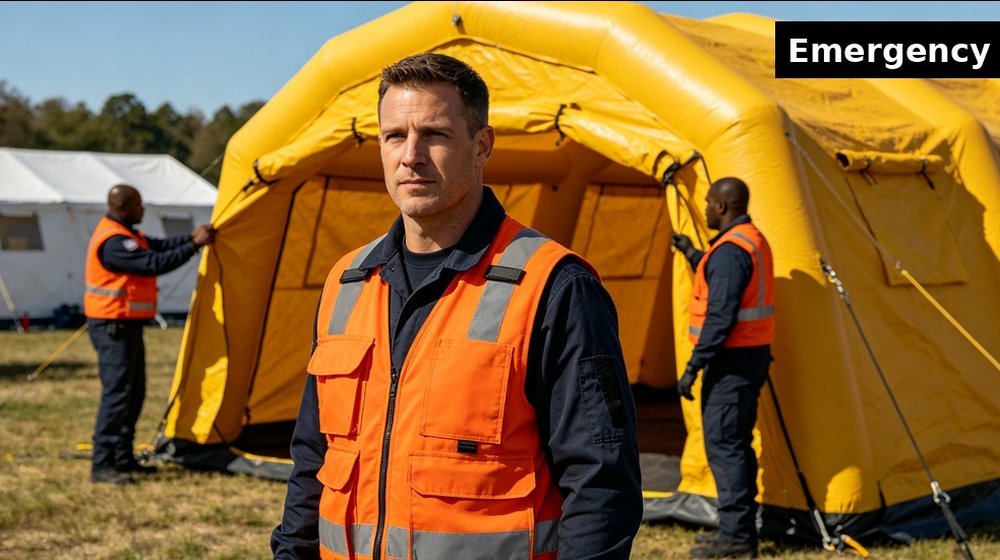
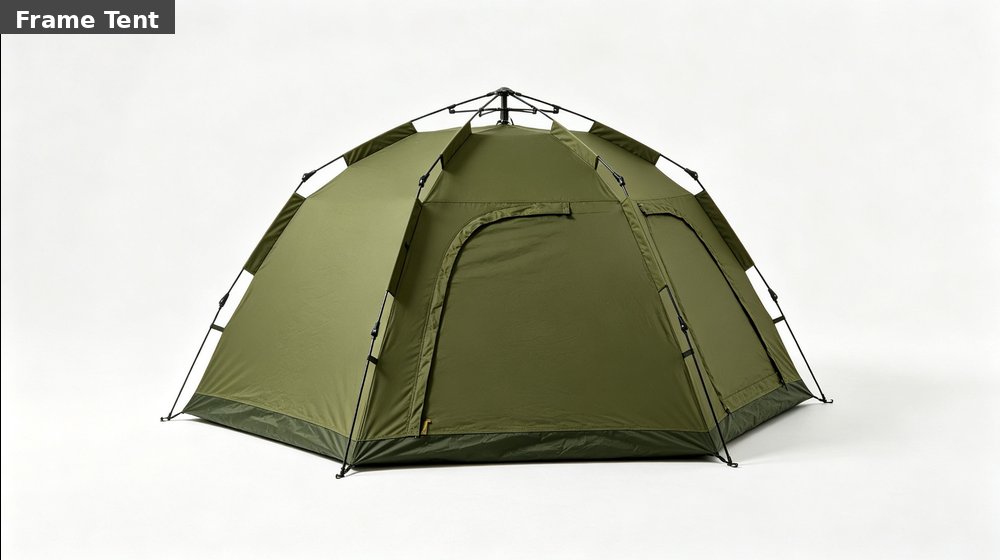
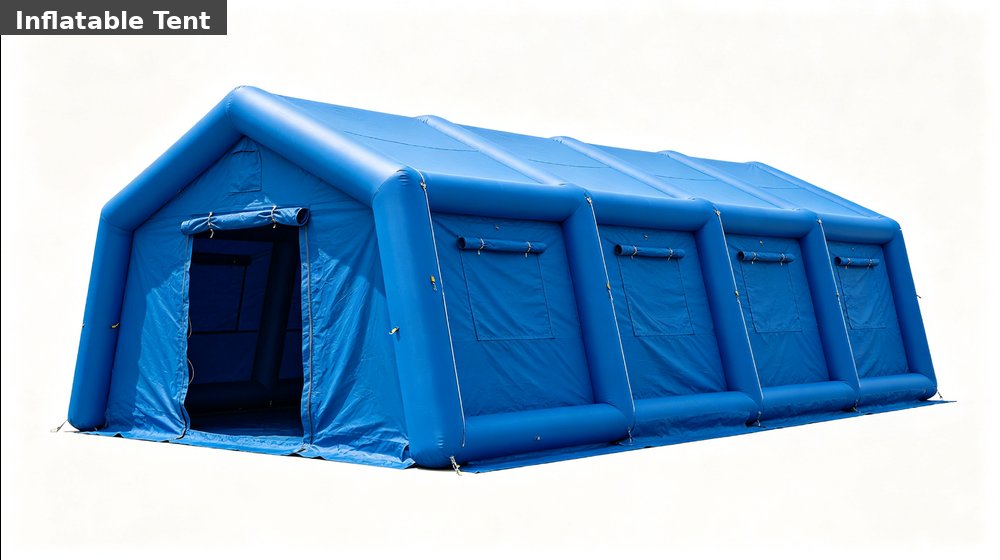
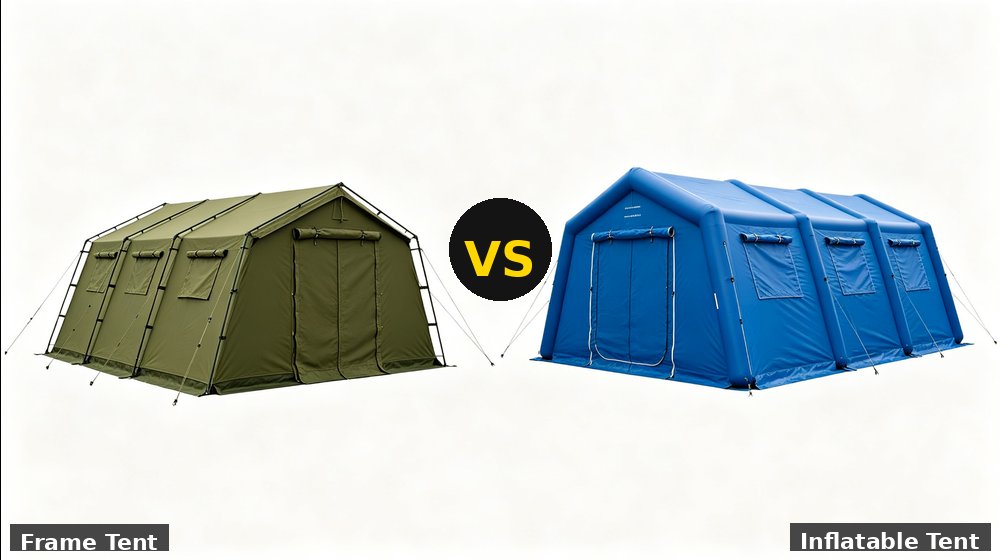
Accommodation tents, command tents, duty tents and storage shelters for field training sites. Frame tents use steel tube frames with PVC-coated polyester covers. Rapid-deployment air-beam tents inflate in 5-15 minutes. Sizes range from 4-person duty tents to 30-person accommodation tents. All tents include groundsheets, ventilation openings and anchoring kits.
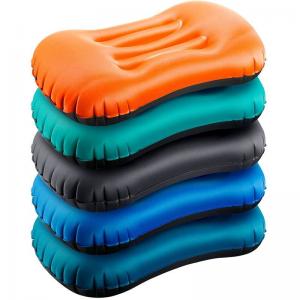
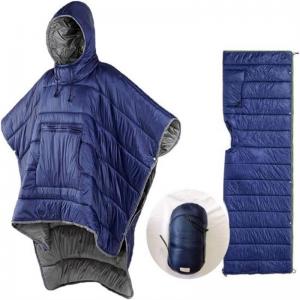
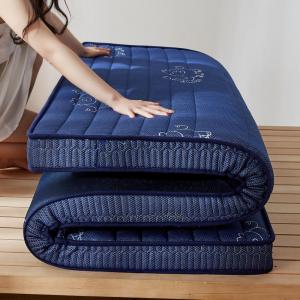
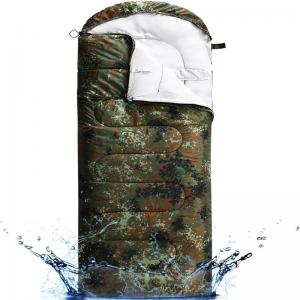
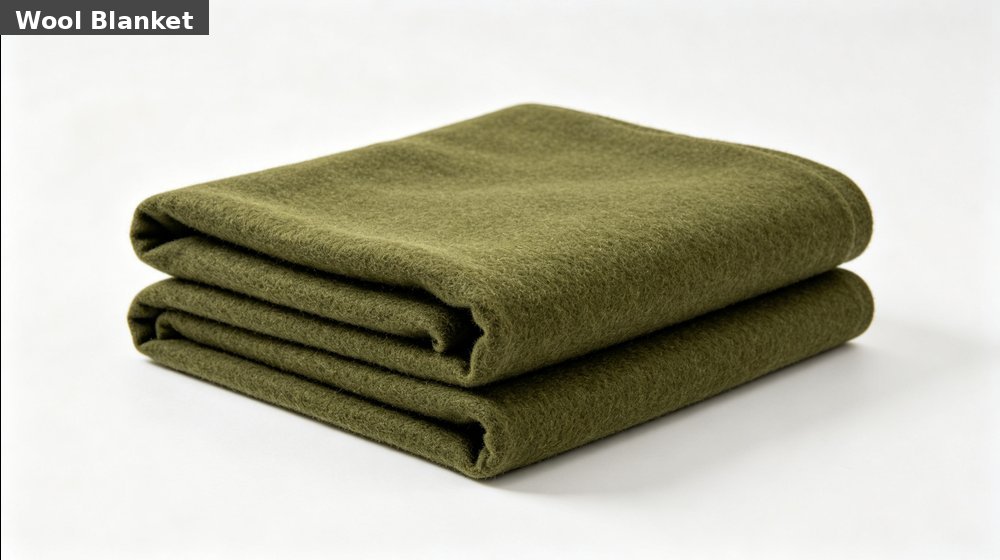
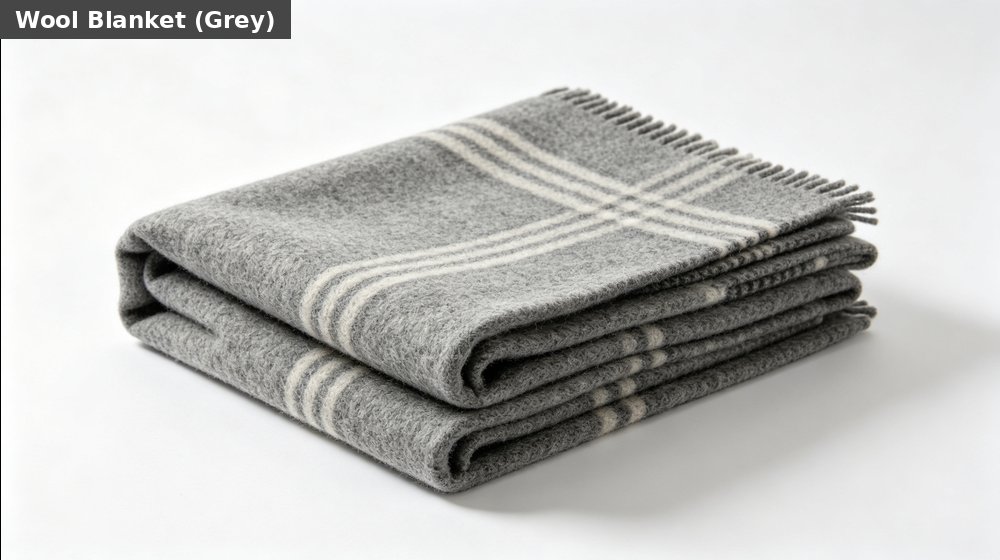
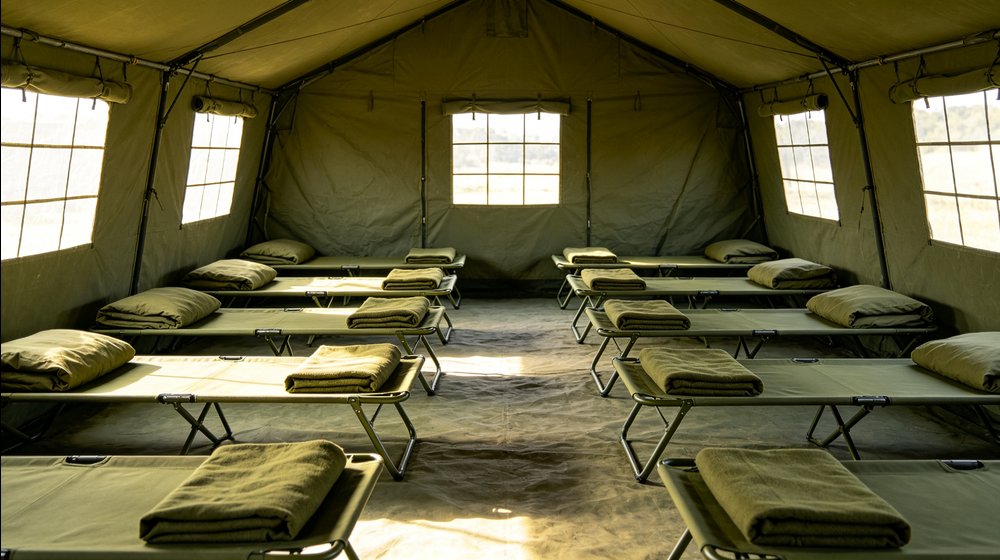
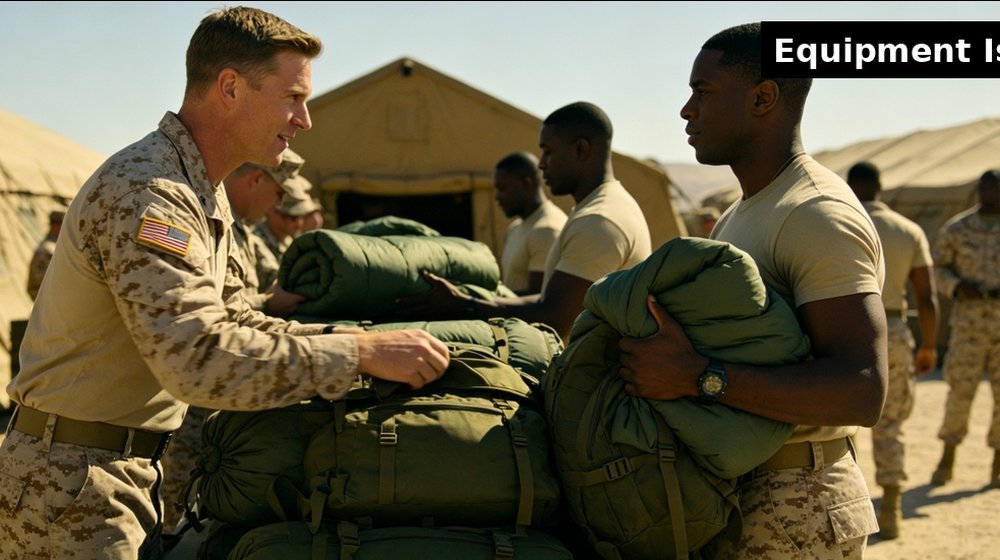
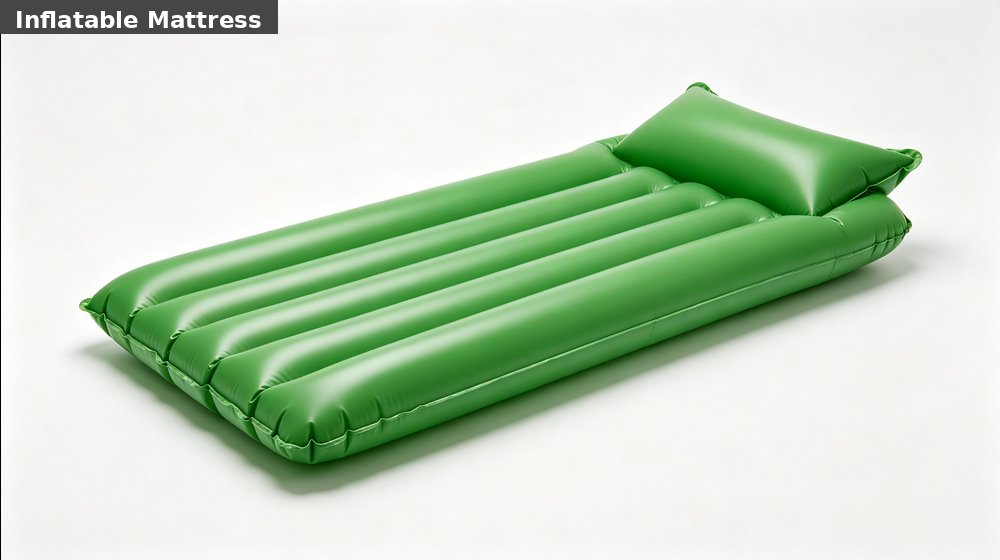
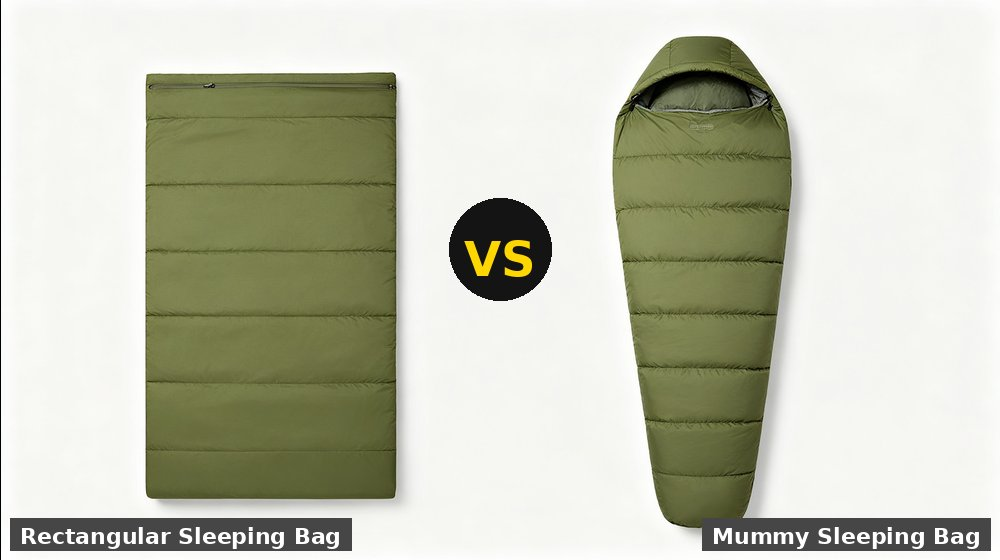
Sleeping systems for individual use in training camps and rotation deployments. Options include envelope sleeping bags (3-season), mummy sleeping bags (cold weather), fleece blankets (200-300GSM), wool blend blankets, folding foam mattresses (3-8cm) and PVC inflatable mattresses. All items are designed for compact packing and rapid issue to personnel.
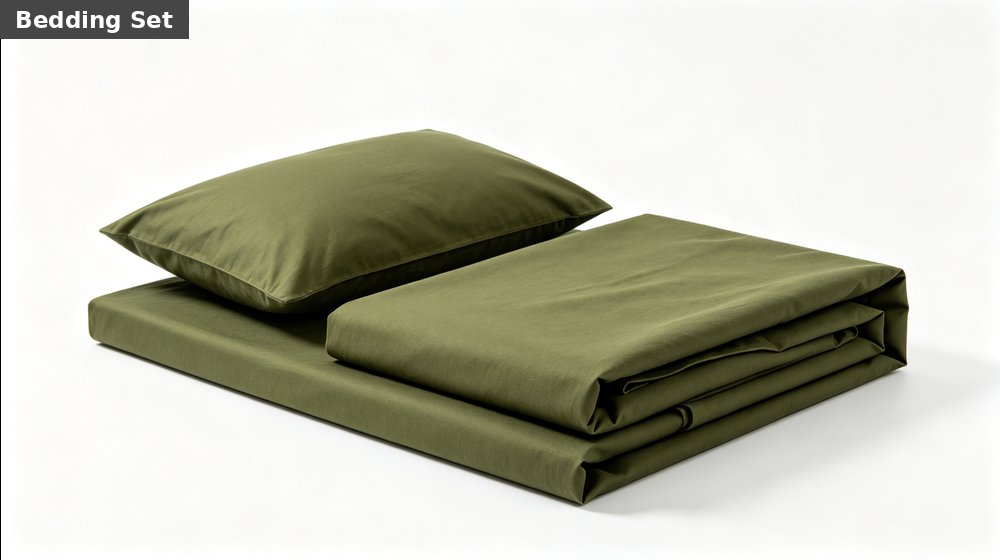
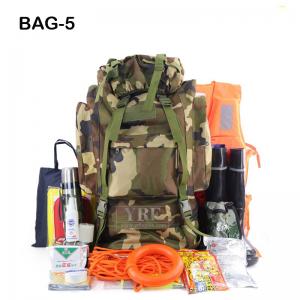
Bedding sets (sheet, duvet cover, pillowcase) in cotton or poly-cotton, plus tactical backpacks and duffel bags for personal equipment carry. Backpacks range from 40L day packs to 80L expedition packs with MOLLE webbing, compression straps and multiple compartments. Bedding sets are available in institutional colors including navy, olive green and white.
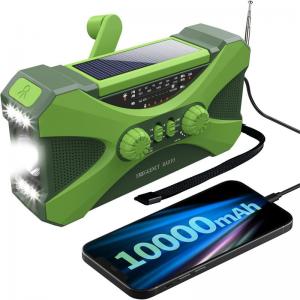
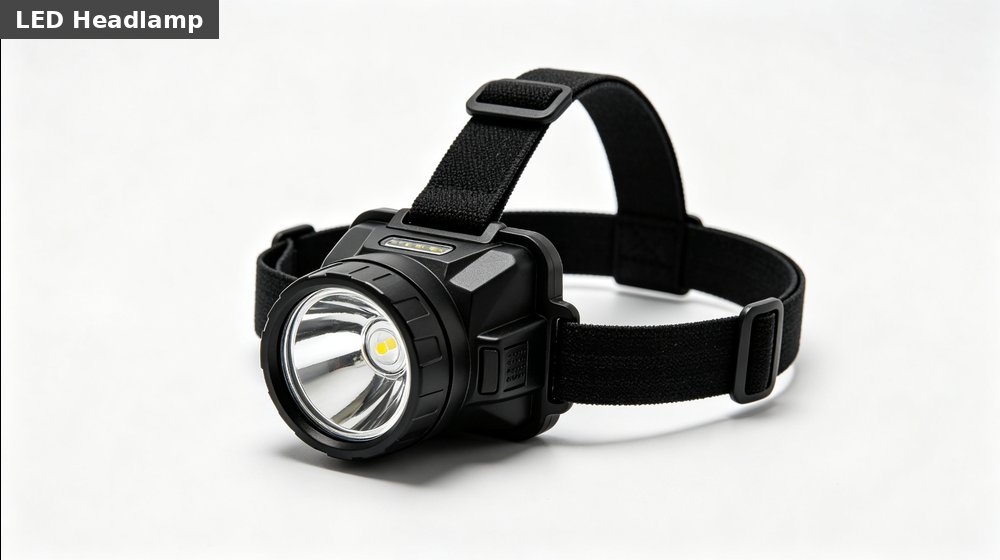
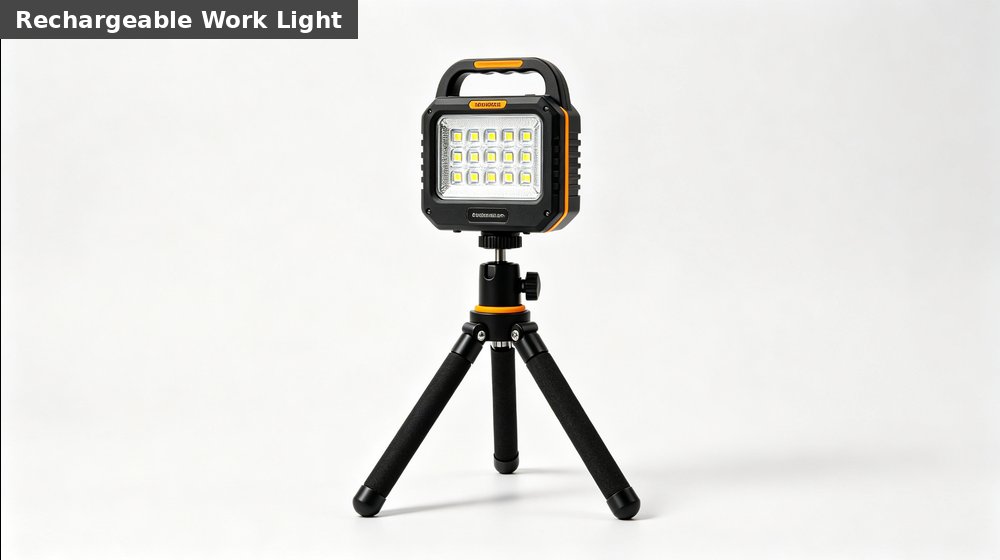
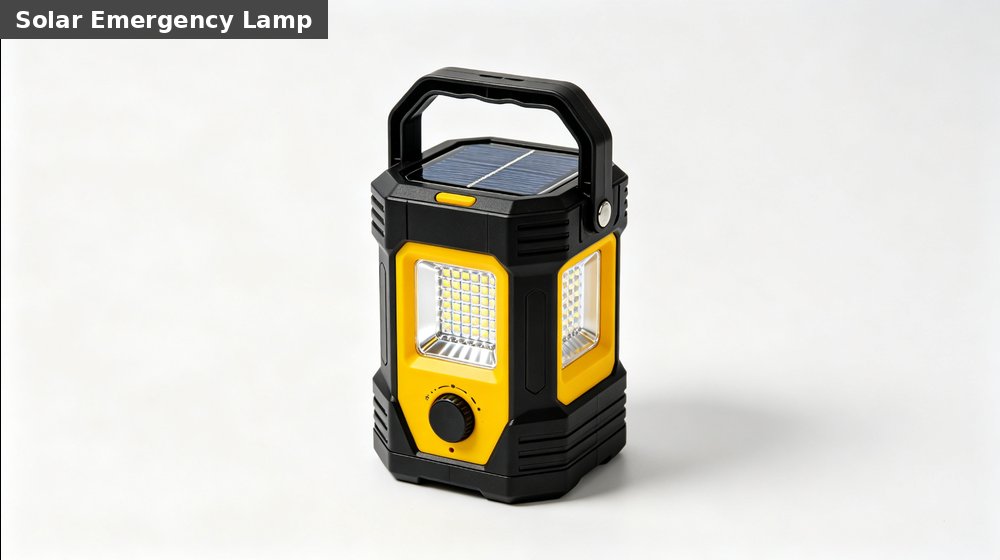
Solar emergency lamps, rechargeable work lights with tripods, LED headlamps, area lighting and glow sticks. Lighting products are selected for long runtime, durable housings and easy recharging. Solar models operate independently without grid power, essential for remote training sites. Headlamps provide hands-free illumination for night patrols and navigation.
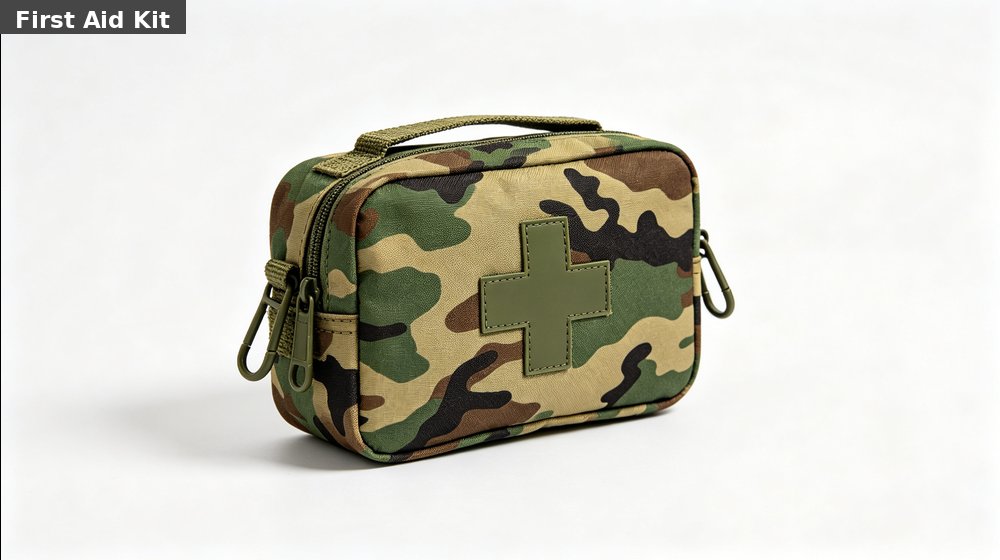
First aid kits, emergency survival kits, rescue tool sets, fire extinguishers and escape ropes. Kits are available in vehicle-mounted, site-shared and personal-issue configurations. Each kit includes a detailed content list and shelf-life management for consumables. First aid kits range from 25-item personal kits to 200-item comprehensive camp stations.
|
Category |
Typical Models |
Key Specifications |
Training Use |
|
Field Tents |
Frame tent, air-beam tent, command tent, storage tent |
4x4m to 5x8m, 4-30 persons, PVC 450-650g/m², steel frame or air beam |
Accommodation, command post, duty station, supply storage |
|
Sleeping Systems |
Envelope bag, mummy bag, fleece blanket, folding mattress, PVC inflatable |
190x75cm, -5°C to 15°C rating, 200-300GSM blanket, 3-8cm mattress |
Individual sleep, thermal support, rotation issue |
|
Bedding & Carry |
Bed sheet set, tactical backpack 40-80L, duffel bag |
Cotton/poly-cotton bedding, 600D oxford backpack, MOLLE webbing |
Bed management, personal gear carry, rotation packing |
|
Lighting |
Solar lamp, rechargeable work light, LED headlamp, area light, glow stick |
100-1000 lumens, 4-12h runtime, IP65, solar/USB/AAA power |
Night routes, personal tasks, camp perimeter, emergency signals |
|
Safety & Emergency |
First aid kit, survival kit, rescue tool set, fire extinguisher, escape rope |
25-200 items, vehicle/site/personal config, 3-5 year shelf life |
Training safety, medical response, fire safety, emergency evacuation |
Use this guide to identify the right field training and duty-support supplies for your exercise or rotation. Answer these four questions before requesting a quotation:
|
|
|
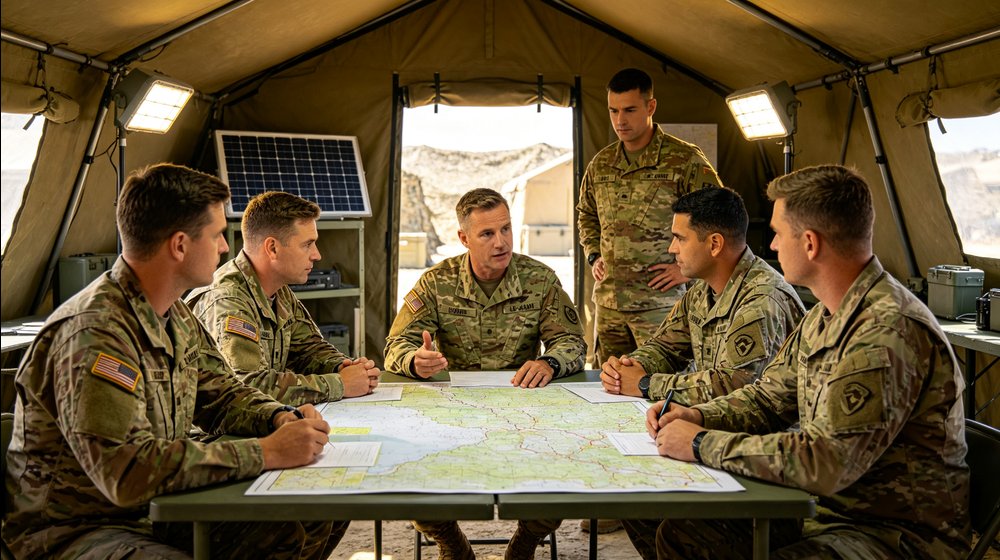
Military field exercises require rapid deployment, camouflage integration and rugged equipment. Recommended configuration: air-beam rapid-deployment tents (5-15 minute setup), 3-season envelope sleeping bags, 5cm folding foam mattresses, tactical backpacks (60-80L), solar area lighting and comprehensive first aid stations. Exercise camps often involve frequent relocation, so lightweight and compact packing is essential. Equipment should support rapid teardown and redeployment within 30 minutes for mobile exercise scenarios. Color options include olive green, tan and camouflage patterns for field concealment.
Police training sites need durable accommodation, high-visibility safety gear and duty-ready equipment. Recommended configuration: frame accommodation tents (6-8 persons per tent), poly-cotton bedding sets, reflective safety vests, LED headlamps for night drills, duty belts and equipment carriers, and vehicle-mounted first aid kits. Police training often includes scenario-based exercises requiring flexible tent layouts for command and observation posts. High-visibility colors (yellow, orange) are used for safety marshals and training instructors, while navy and black are standard for trainee accommodation.
Emergency response training simulates disaster conditions and requires self-sufficient equipment. Recommended configuration: rapid-deployment command tents, inflatable mattresses (quick setup), emergency survival kits, multi-tool rescue sets, solar-powered lighting and mass-casualty first aid stations. Drill scenarios may include search-and-rescue, triage and evacuation, so equipment must be portable and immediately usable. Training exercises often simulate communication blackouts, so solar-powered and battery-independent equipment is preferred. Glow sticks and signal whistles are essential for simulated evacuation drills.
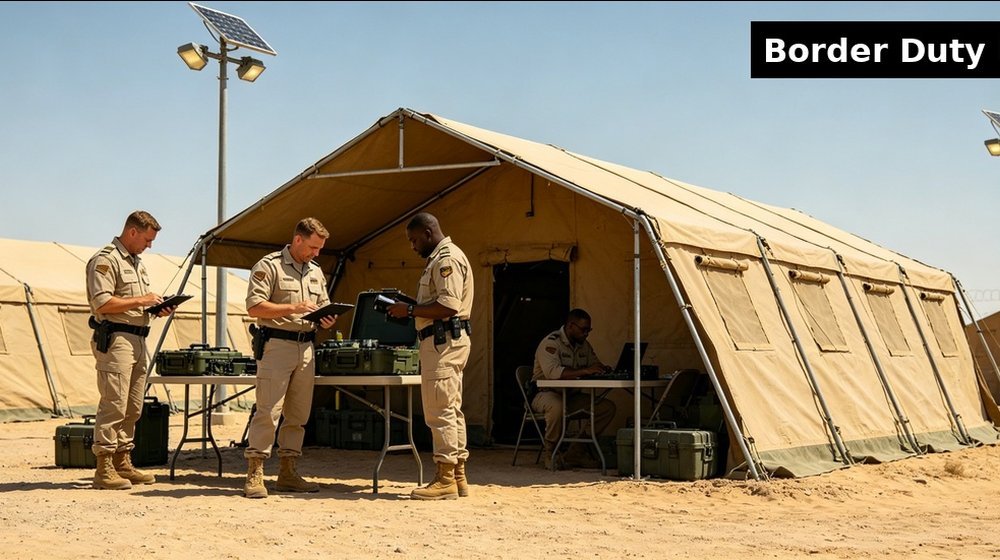
Rotation deployments and border duty posts need long-lasting accommodation and regular replenishment systems. Recommended configuration: heavy-duty frame tents (long-term use), thicker mattresses (8cm for comfort), permanent bedding sets, rechargeable work lights with tripods, personal issue headlamps and scheduled replenishment kits. Rotation sites benefit from color-coded equipment by team or shift.
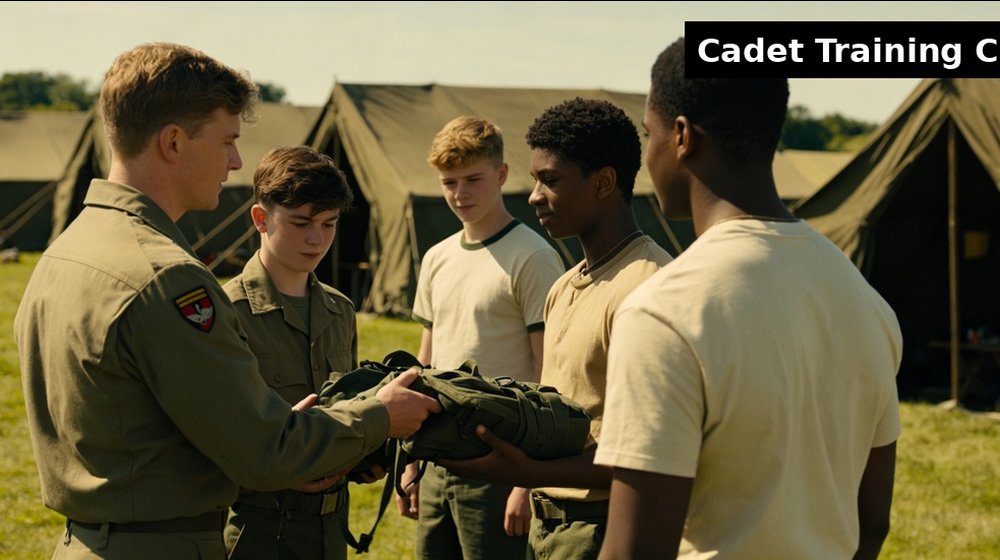
Youth and cadet training requires safe, easy-to-use equipment with supervision-friendly layouts. Recommended configuration: medium frame tents (4-6 persons), 3-season sleeping bags, basic foam mattresses, solar lanterns (no open flame), basic first aid kits and glow sticks for night navigation. Youth camps prioritize safety, simplicity and durability over tactical features.
Frame tents use steel tube frames with PVC-coated polyester outer covers. Durable and wind-resistant, suitable for longer-term training camps. Standard sizes include 4x4m (4 persons), 4x6m (6-8 persons), 5x6m (8-10 persons) and 5x8m (12-16 persons). Frame weight ranges from 35kg to 120kg depending on size. Two-person setup time is 20-45 minutes. PVC cover weight is 450-650g/m² with UV treatment and waterproof coating. Wind resistance is grade 6-8 (Beaufort scale) with proper anchoring.
Air-beam tents use inflatable columns instead of steel poles, offering faster deployment and lighter transport. Standard sizes include 4x4m, 4x6m and 5x8m. Inflation time is 5-15 minutes with a manual or electric pump. Air-beam tents are ideal for short-term exercises and rapid relocation scenarios. Packed size is smaller than frame tents for the same floor area. The inflatable columns are made of reinforced PVC with multiple air chambers for redundancy.
Command tents are designed for operations centers, briefing rooms and duty stations. They typically feature larger door openings, windows with mosquito netting, internal cable ports and optional flooring. Duty tents serve as guard posts, first aid stations or supply offices. Both types use the same frame and fabric standards as accommodation tents, with optional shelves, tables and ventilation upgrades.
Storage tents are designed for equipment, supplies and food storage during field training. They feature wider doorways for cart access, reinforced groundsheets and raised thresholds. Ventilation is important to prevent moisture buildup in stored equipment. Storage tents can be equipped with shelving units, lighting hooks and equipment racks.
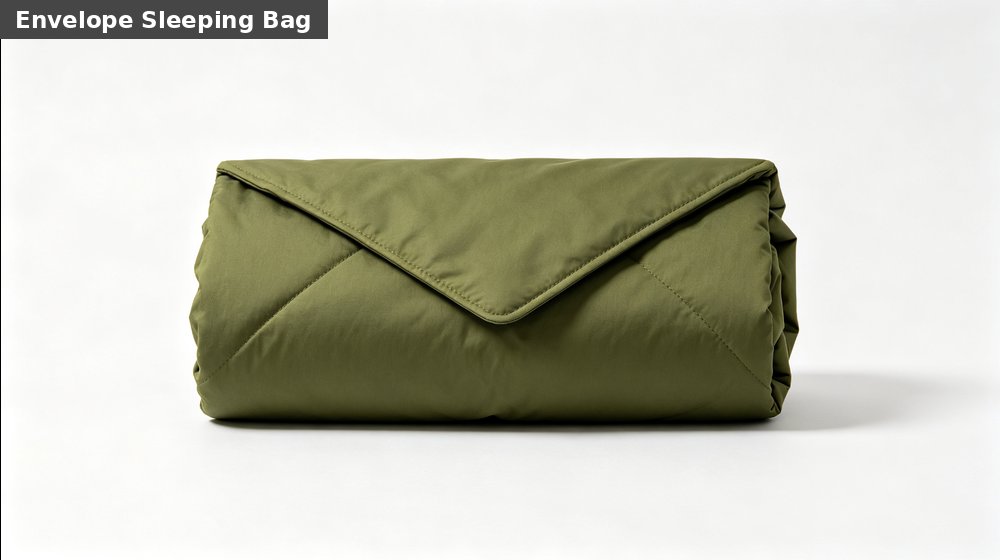
Envelope sleeping bags are the standard choice for moderate-climate training camps. Standard size is 190x75cm (210x80cm for tall personnel). Temperature rating is 5°C to 15°C (3-season). Filling is 150-250g/m² polyester hollow fiber. Outer shell is 190T polyester taffeta with water-repellent coating. Lining is brushed polyester or cotton blend. Weight is 1.0-1.5kg. Packed size is 30x18cm in compression sack. Envelope bags open fully to use as blankets.
Mummy sleeping bags provide better thermal efficiency for cold-weather exercises. Standard size is 210x80cm (shoulder) tapering to 50cm (foot). Temperature rating is -5°C to 5°C. Filling is 250-350g/m² polyester or 600-800 fill power duck down. Outer shell is 210T ripstop polyester with DWR coating. Features include draft collar, draft tube behind zipper, and adjustable hood. Weight is 1.5-2.5kg. Packed size is 35x20cm.
Fleece blankets (200-300GSM) are lightweight, warm and quick-drying. Standard size is 150x200cm. Weight is 0.5-0.8kg. Available in navy, olive green, black and gray. Wool blend blankets (30-50% wool) are heavier but more durable for institutional washing. Standard size is 160x220cm. Weight is 1.5-2.5kg. Blankets are used as additional insulation inside sleeping bags or as standalone bedding in warm climates.
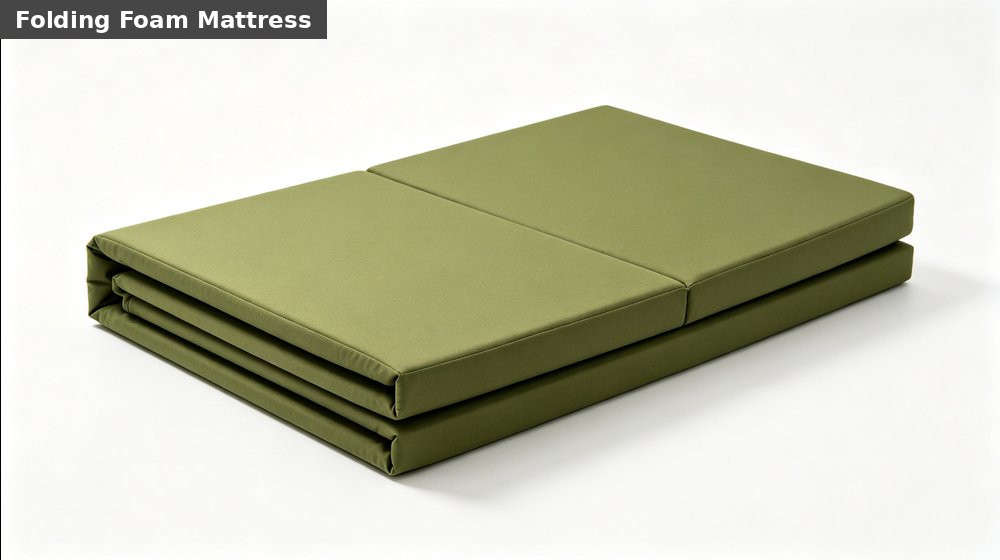
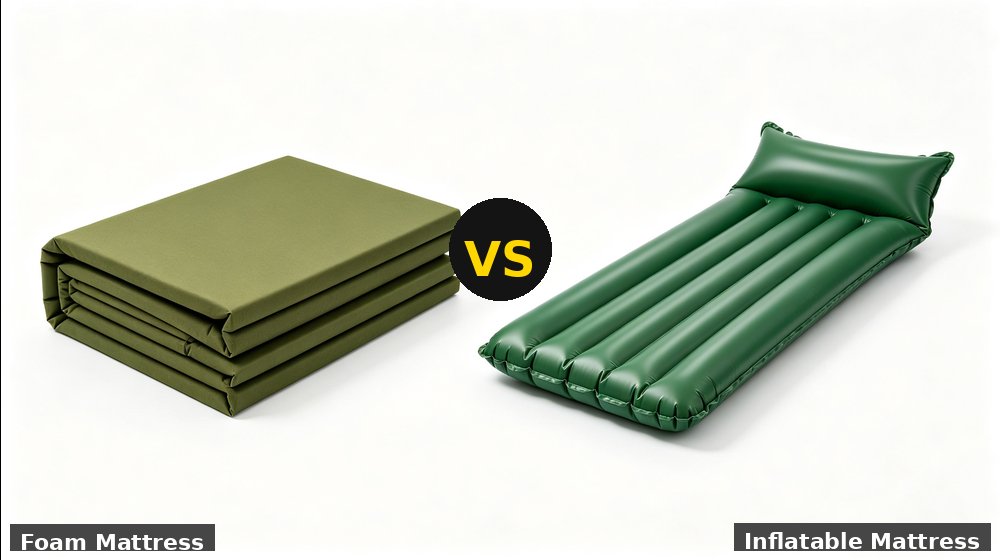
Folding foam mattresses are the most common choice for training camps. Standard size is 190x70cm, thickness 5cm (3cm and 8cm options available). Foam density is 25-35D, balancing durability and comfort. Cover material is PVC or 600D oxford with waterproof coating. Weight is 2-3.5kg. Mattresses fold in half or thirds for compact storage and transport. A removable cover is available for easy washing.
PVC inflatable mattresses are lightweight and compact, ideal for mobile exercises and emergency deployment. Standard size is 190x72cm, inflated thickness 15-22cm. Material is 0.4-0.6mm PVC with flocked top surface. Weight is 1.5-2.5kg. Inflation time is 2-5 minutes with a manual pump. PVC mattresses are easy to clean and moisture-resistant, but less durable for long-term daily use than foam mattresses.
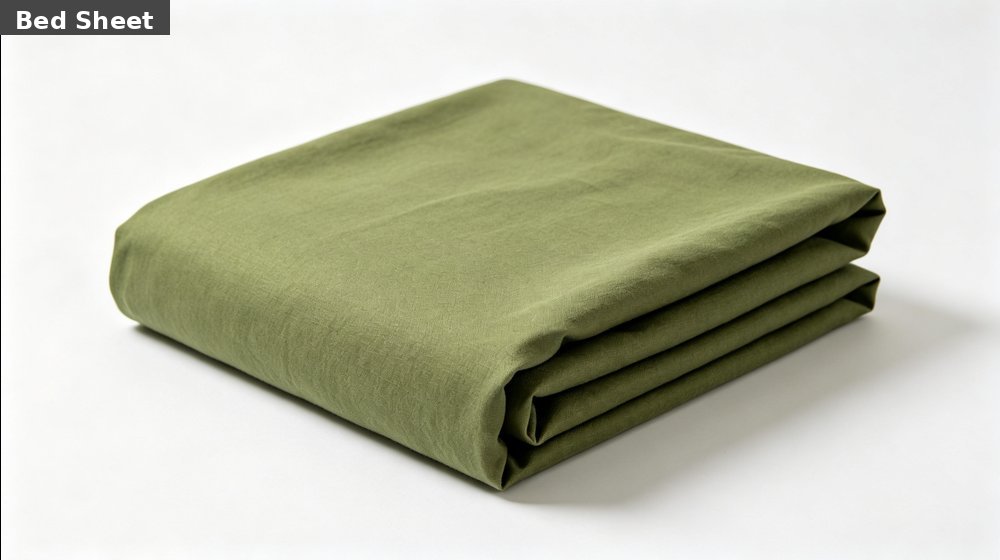
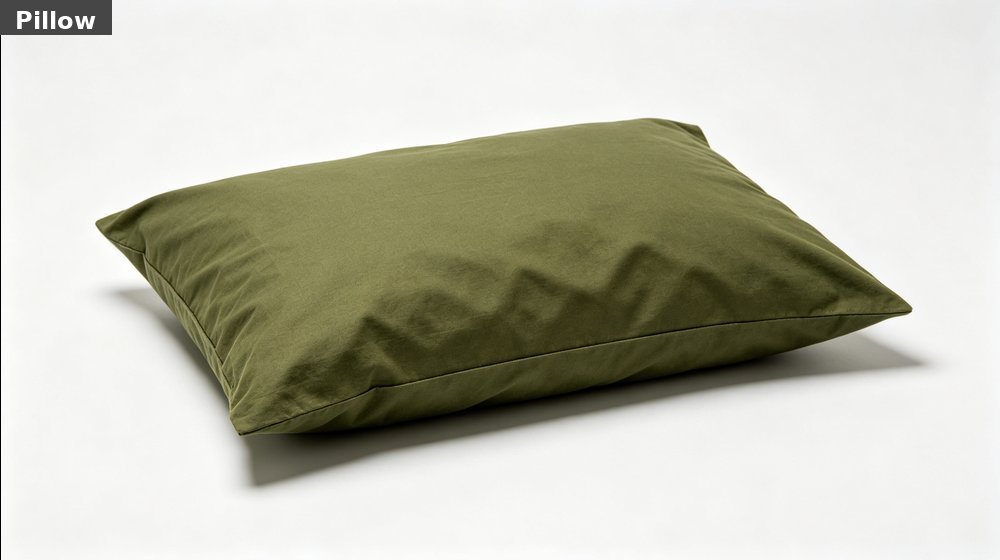
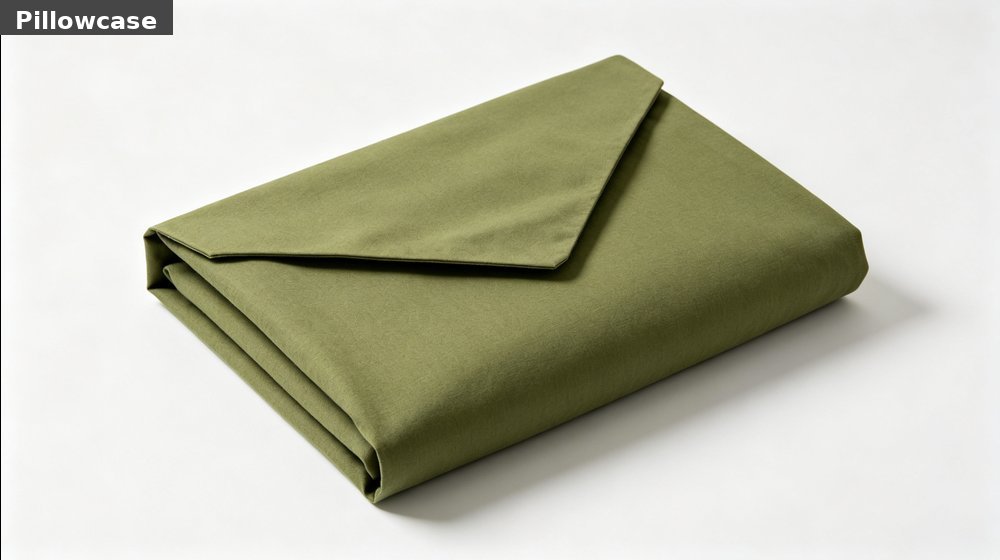
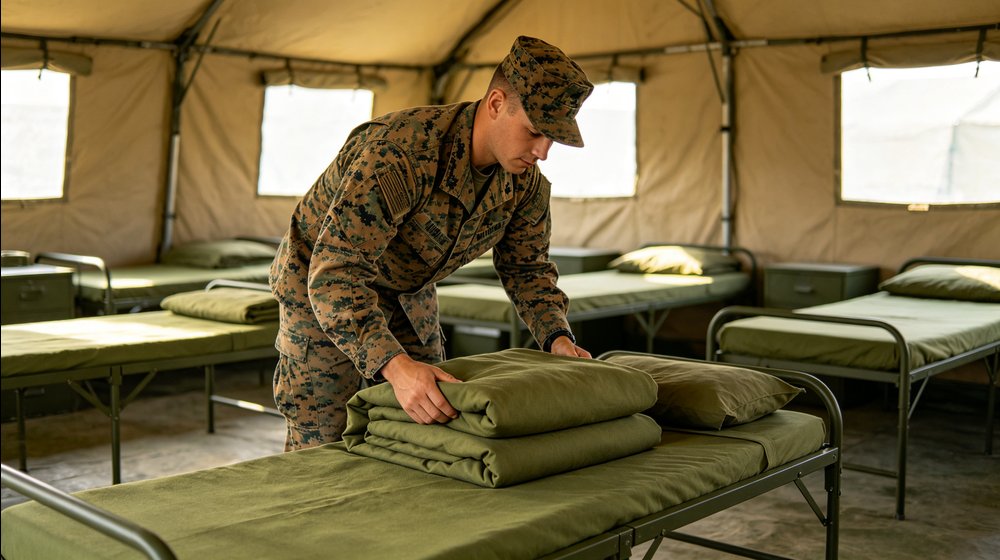
Bedding sets include one sheet, one duvet cover and one pillowcase. Fabric options are 100% cotton (soft, breathable), poly-cotton blend (durable, easy care) and 100% polyester (low cost, quick-drying). Standard sizes: duvet cover 160x220cm, sheet 160x220cm, pillowcase 48x74cm. Colors can be customized; standard institutional colors are white, navy and olive green. Bedding sets are packed in sets of 10 or 20 per carton for easy distribution.
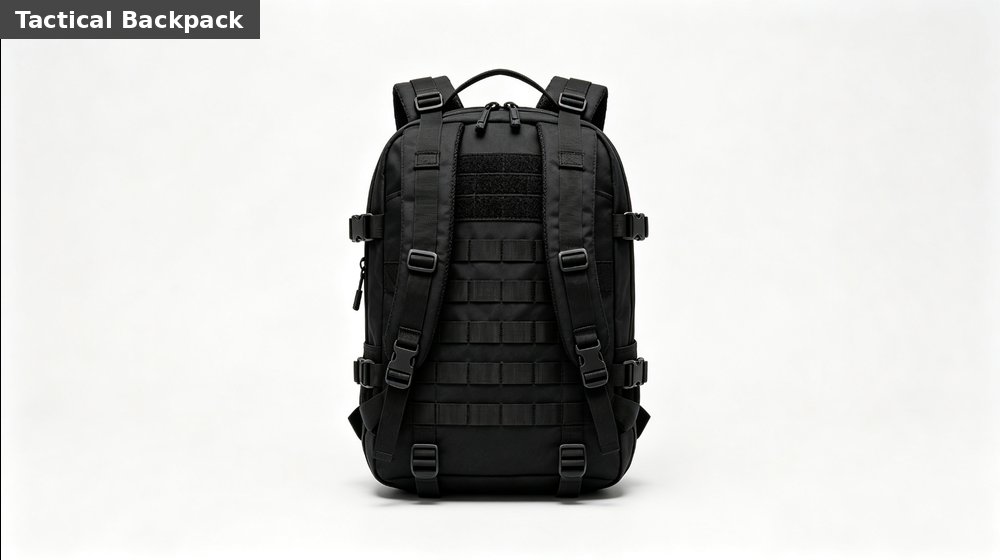
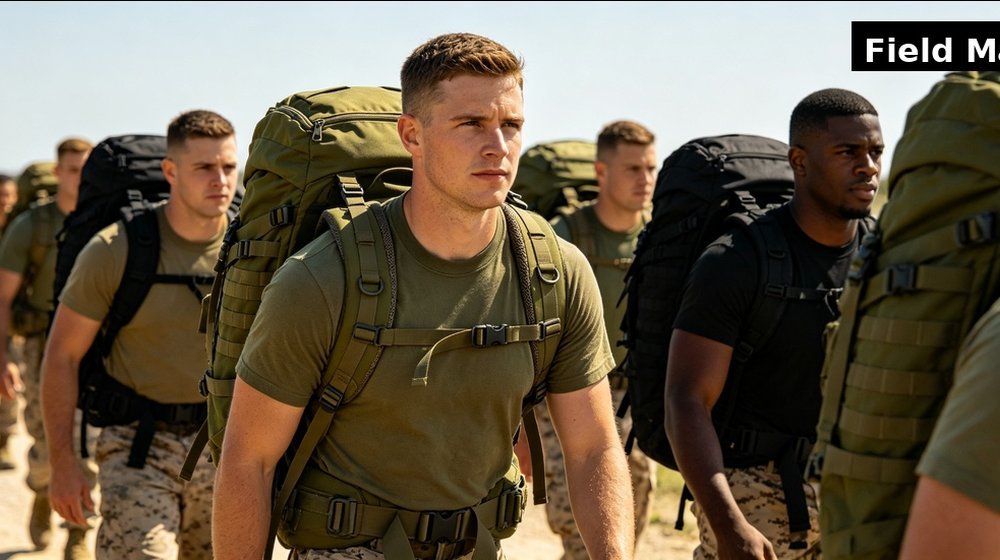
Tactical backpacks are designed for personal equipment carry during field training and marches. Capacity ranges from 40L (day pack) to 80L (expedition pack). Material is 600D or 900D oxford with PU coating for water resistance. Features include MOLLE webbing system, compression straps, multiple compartments, padded shoulder straps and waist belt, hydration bladder compartment, and rain cover. Weight is 1.2-2.5kg depending on capacity. Available in olive green, black, tan and camouflage patterns.
Duffel bags are used for gear transport between rotation sites and storage. Standard sizes are 60L, 90L and 120L. Material is 600D oxford or heavy-duty canvas. Features include reinforced handles, removable shoulder strap, full-length zipper for easy access, and internal pockets. Equipment carriers with wheels are available for heavy loads. Duffel bags can be color-coded by team or shift for easy identification.
Solar emergency lamps provide independent lighting without grid power. Output is 100-500 lumens with adjustable brightness. Runtime is 6-12 hours on a full charge. Charging time is 6-8 hours under direct sunlight, or 3-4 hours via USB. Features include built-in solar panel, USB output for phone charging, hanging hook, and IP65 water resistance. Weight is 200-400g. Solar lamps are essential for remote training sites without electricity.
Rechargeable work lights with tripods illuminate work areas, command posts and camp perimeters. Output is 500-1000 lumens with adjustable beam angle. Runtime is 4-8 hours on a full charge. Battery is built-in lithium-ion (4400-8800mAh) with USB charging. Tripod height is adjustable from 0.8m to 1.8m. Features include COB LED panel, magnetic base, and 360-degree rotation. Weight is 0.8-1.5kg including tripod.
LED headlamps provide hands-free illumination for night patrols, navigation and equipment maintenance. Typical output is 100-300 lumens with 4-10 hour runtime. Power source is AAA batteries or built-in rechargeable battery. Features include adjustable headband, tilt angle, multiple modes (high/low/strobe) and red light mode (preserves night vision). Weight is 80-150g. Headlamps are essential personal issue for all field training personnel.
For larger training camps, portable area lighting and light towers provide broad illumination. Portable LED work lights (1000-3000 lumens) can be mounted on tripods or suspended from tent frames. Trailer-mounted light towers (4x100W LED, 5-9m mast) are available for major exercise sites, with diesel or battery power options. All lighting equipment is selected for durability, long runtime and easy transport in field conditions.
Glow sticks provide emergency lighting and signaling without batteries. Standard 6-inch glow sticks produce light for 8-12 hours. Available in multiple colors: green (general), red (emergency/stop), blue (medical), yellow (caution). Glow sticks are used for emergency evacuation routes, tent markers, personnel identification and signal communication. They are waterproof, non-flammable and require no power source. Packed in tubes of 25 or 50.
First aid kits are available in three configurations for field training: personal kits (25-50 items, belt-mounted), team kits (100-150 items, backpack or hard case), and camp stations (200+ items, wall-mounted or portable). Contents include bandages, gauze, antiseptic wipes, adhesive tape, scissors, tweezers, CPR mask, emergency blanket, triangular bandages and instant cold packs. All kits include a content checklist and expiration date labels. Shelf life is 3-5 years for most consumables.
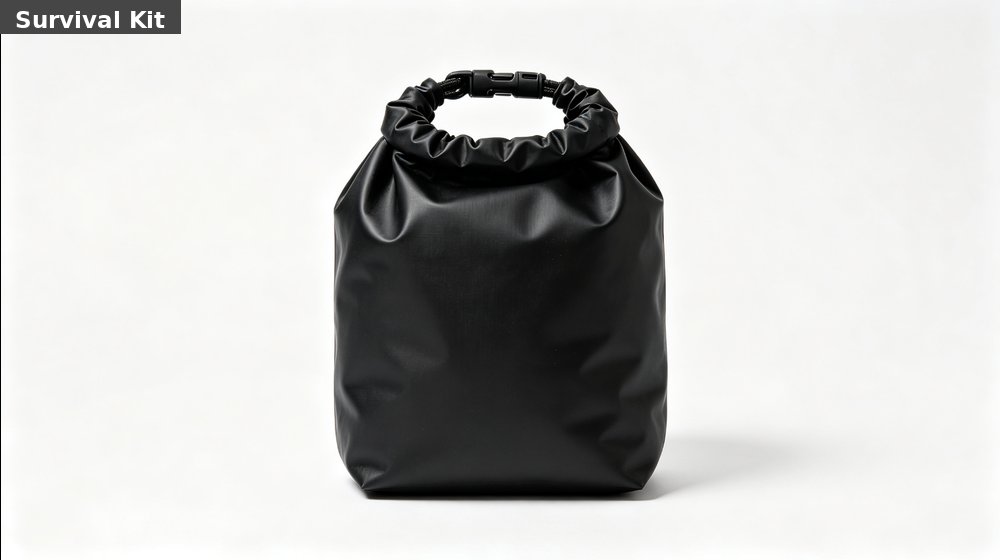
Emergency survival kits are designed for personnel who may become isolated during field exercises. Standard 30-piece kit includes: emergency blanket, poncho, multi-tool, flashlight, whistle, compass, water purification tablets, energy bar, first aid basics, paracord (15m), fire starter, and signal mirror. Packed in a waterproof dry bag or hard case. Weight is 0.8-1.2kg. Survival kits can be customized based on training environment (desert, jungle, mountain, cold).
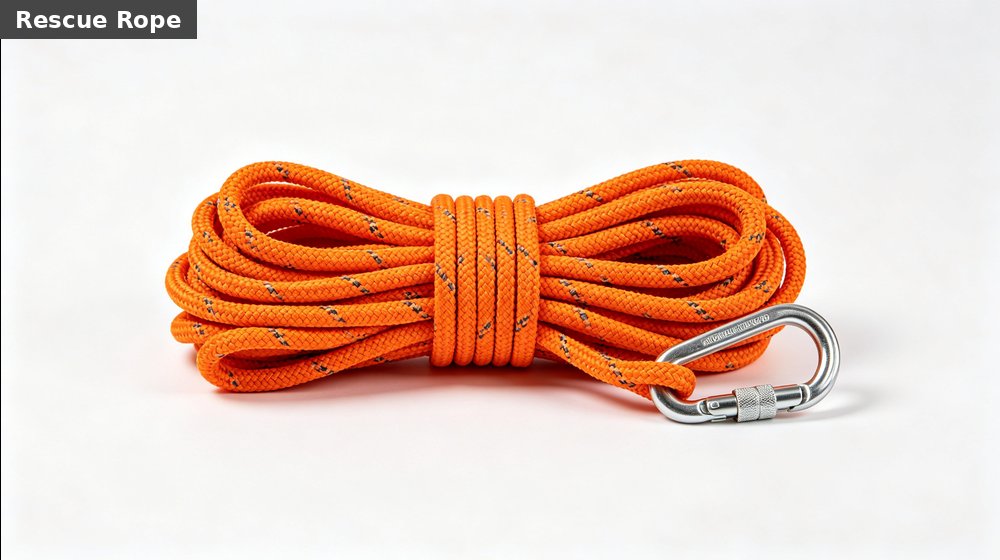
Rescue tool sets for training scenarios include: multi-function rescue tool (pliers, knife, saw, file), rope (static or dynamic, 10-30m), carabiners (locking and non-locking), harness (sit or full-body), helmet, gloves, and descender (figure-8 or ATC). All rope equipment should meet UIAA or EN 892/EN 1891 standards and be inspected before each use. Rescue sets are packed in dedicated gear bags with content checklist.
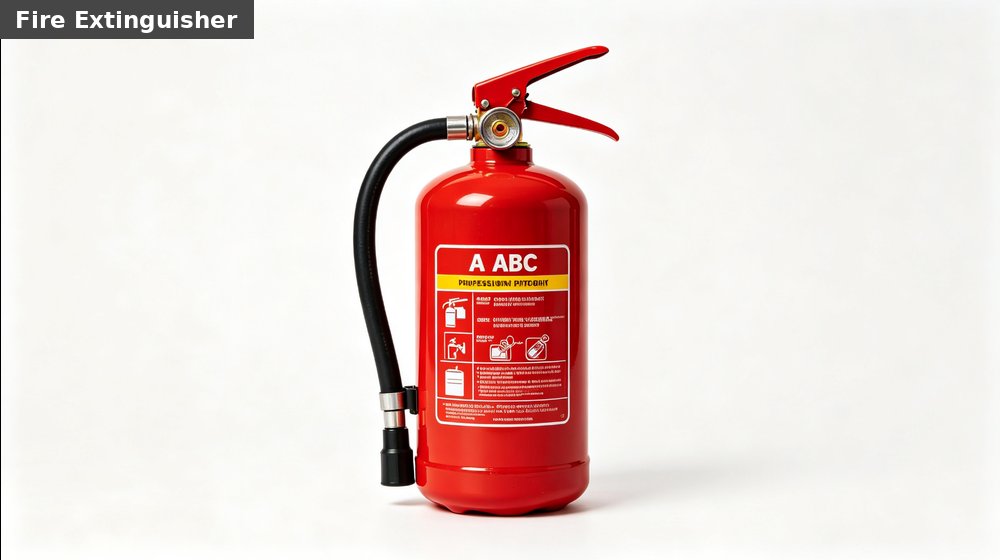
ABC dry powder fire extinguishers (1kg, 2kg, 4kg) are standard for training camp fire safety. 1kg units are vehicle-mounted; 4kg units are stationed at tent groups, kitchen areas and storage. Fire blankets (1.2x1.2m) are available for kitchen and personal use. Smoke detectors and fire alarms can be provided for command tents and accommodation areas. All fire equipment should be inspected monthly during training deployments.
Escape Ropes and Evacuation Equipment
Escape ropes (30m, 8-10mm static rope) with descenders and harnesses are used for high-angle evacuation training. Sets include: 30m static rope, figure-8 descender, 2 locking carabiners, full-body harness, helmet and gloves. Rope is rated for 22kN minimum breaking strength. All equipment is packed in a dedicated evacuation bag with setup instructions. Escape rope sets should be inspected by qualified personnel before each training use.
The following is a sample order configuration for a 100-person field training camp. Actual quantities should be adjusted based on exercise type, climate, shift pattern and duration.
|
Category |
Item |
Quantity |
Notes |
|
Field Tents |
4x6m frame accommodation tent |
17 units |
6 persons per tent, 2 spare |
|
Field Tents |
4x4m command/duty tent |
4 units |
Command post, first aid, supply, guard |
|
Field Tents |
PVC tarpaulin 4x6m |
10 units |
Equipment covers and material stacking |
|
Sleeping |
5cm folding foam mattress |
110 units |
10% spare for rotation and damage |
|
Sleeping |
3-season envelope sleeping bag |
110 units |
Personal issue, color-coded by team |
|
Sleeping |
Fleece blanket 250GSM |
110 units |
Additional insulation for cool nights |
|
Bedding |
Poly-cotton bedding set |
110 sets |
Sheet, duvet cover, pillowcase |
|
Carry |
Tactical backpack 60L |
110 units |
Personal gear carry, MOLLE system |
|
Lighting |
Solar emergency lamp |
25 units |
1 per tent + spares |
|
Lighting |
Rechargeable work light with tripod |
6 units |
Command post, work areas, perimeter |
|
Lighting |
LED headlamp |
110 units |
1 per person, personal issue |
|
Lighting |
6-inch glow sticks |
200 units |
Mixed colors, emergency evacuation |
|
Safety |
100-item first aid kit |
6 sets |
Per tent group + command + vehicle |
|
Safety |
ABC fire extinguisher 4kg |
10 units |
Per 2 tents + kitchen + storage + command |
|
Safety |
Escape rope set 30m |
4 sets |
With descender, carabiners, harness |
|
Safety |
Emergency survival kit |
20 units |
For patrol and isolated exercise teams |
Estimated total volume: approximately 40-50 cubic meters (about 1.5 x 20ft containers or 1 x 40ft container).
Estimated total weight: approximately 3000-4000kg. Exact weight and volume are confirmed after final product selection and packing configuration. Standard items ship within 7-15 working days; customized items (printed logos, specific colors, non-standard sizes) require 15-25 working days. All timelines are subject to final confirmation.
A well-planned training camp layout improves safety, efficiency and command control. We can provide layout suggestions based on your site size, personnel count and exercise type.
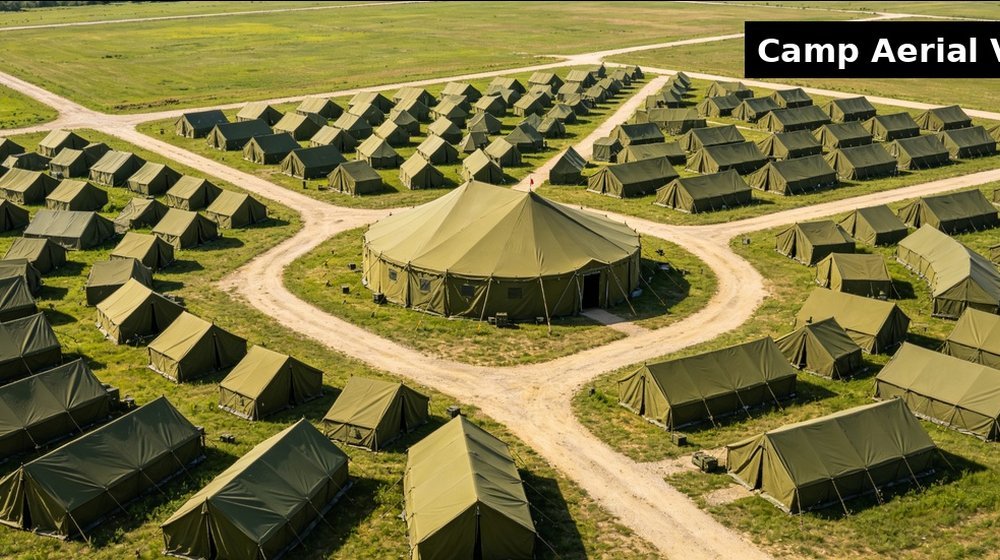
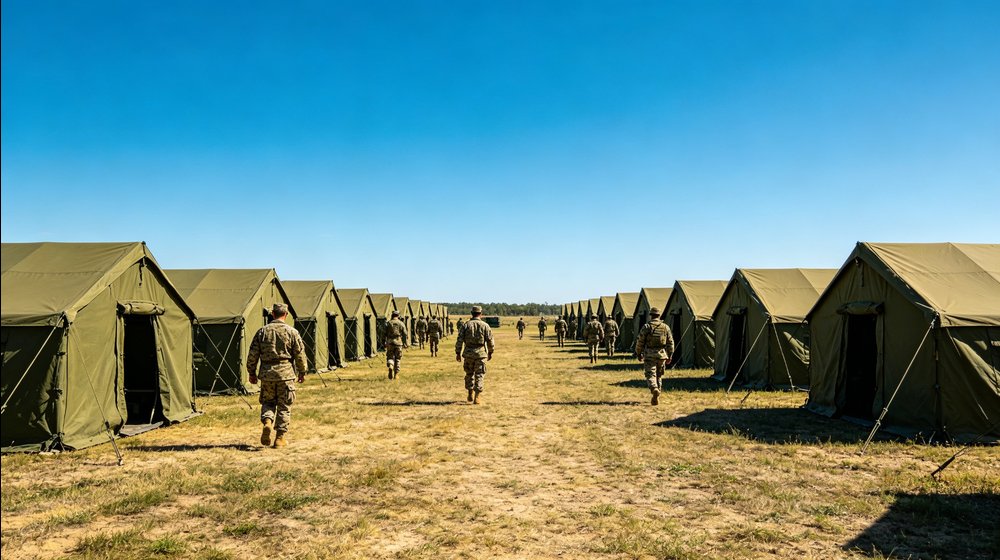
Sleeping tents are arranged in rows with adequate spacing for ventilation, fire safety and pedestrian access. Each tent group should have clear pathways and emergency exits. Recommended minimum 3-meter spacing between tents for fire safety. Main walkways and tent entrances should be illuminated. A 100-person camp accommodation zone typically requires 800-1200 square meters.
The command zone includes the operations tent, briefing area, communication equipment and first aid station. This area should be centrally located for easy access by all personnel. The command tent should be clearly identified and equipped with maps, communication devices and a charging station for radios and electronics.
The training area is separate from accommodation to minimize disturbance and ensure safety. It should include open space for drills, obstacle courses or scenario-based exercises. Equipment storage for training gear (ropes, tools, targets) should be adjacent to the training zone. Safety marshals and first aid stations should have clear sightlines to the training area.
The storage zone houses supply tents, equipment storage and consumable inventory. This area should be accessible for vehicle loading but separated from accommodation for security and fire safety. High-value items (electronics, tools, PPE) should be stored in lockable storage tents or containers. A dedicated receiving and inspection area helps manage incoming supplies.
The dining area includes a mess tent (or fixed facility), food preparation area, washing stations and seating. This area should be upwind of accommodation to prevent cooking smoke from entering sleeping tents. Rest space may include a common tent with seating, charging stations and basic entertainment. For longer rotations, a small gym or recreation area can improve morale.
The sanitation zone includes toilet facilities, shower tents, handwashing stations and solid waste collection. This area should be downwind and downhill from accommodation and dining areas. Emergency assembly points, fire extinguisher stations and first aid kits should be clearly marked throughout the camp. Emergency escape routes should be illuminated with glow sticks or solar lights for night evacuation.
Proper packing is essential for field training and duty-support supplies, as items may be transshipped multiple times before reaching the exercise site. We provide packing services tailored to project requirements.
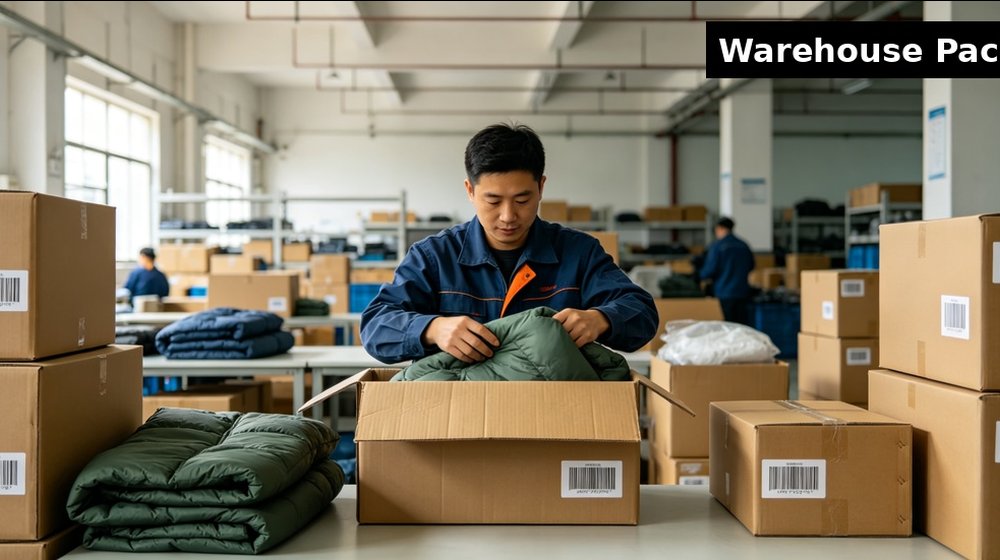
Most items are packed in export-standard double-wall corrugated cartons. Carton dimensions are optimized for container loading and manual handling (usually under 25kg per carton). Each carton is labeled with item name, quantity, carton number, total cartons, gross weight, net weight and destination. Custom project identification, zone allocation or batch tracking labels are available.
First aid kits, survival kits and rescue tool sets are assembled and packed at our factory. Each kit is verified against the content list before sealing. Kits can be pre-packed by camp zone or team kit for rapid distribution at the exercise site. For large orders, we can provide a packing list spreadsheet with per-carton content details, simplifying receiving and distribution.
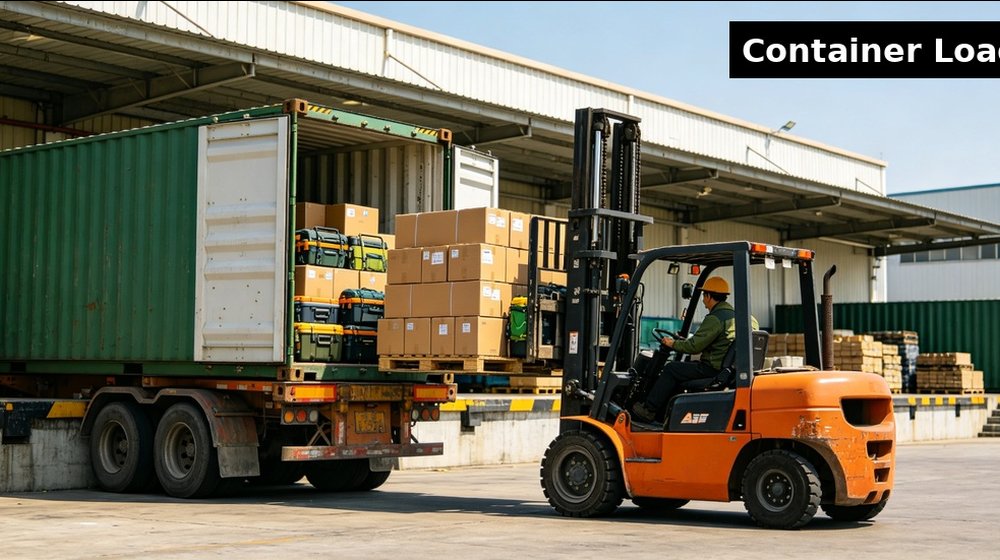
Goods are loaded into 20ft or 40ft containers with proper weight distribution and securing. Heavy items (tents, mattresses) are loaded at the bottom; lightweight items (blankets, glow sticks) on top. Container loading photos are provided before sealing. For split shipments to multiple exercise sites, goods are grouped by destination with separate packing lists and labels.
Our field training and duty-support supplies meet relevant international standards. We can help arrange third-party test reports based on your project requirements. Common standards include:
When sourcing field training and duty-support supplies, confirm these eight points to avoid mismatches and ensure smooth exercise logistics:
Minimum order quantity varies by product category. Tents and sleeping systems typically have lower minimums for standard models. Customized items (printed logos, specific colors, non-standard sizes) may require higher minimums. We can discuss your project scale and find a configuration that works for your budget.
Standard items from stock or regular production lines ship within 7-15 working days from order confirmation. Customized items with logo printing, special colors or non-standard configurations require 15-25 working days. Large orders (500+ tents or 1000+ sleeping systems) may need additional time. We confirm the exact timeline in the formal quotation.
We can provide samples for selected products to verify construction, materials, labels and packing. Sample availability depends on the product and current production schedule. Sample details are discussed on a case-by-case basis during the quotation process.
Yes. Logo printing is available on tents, backpacks, bedding sets, first aid kits and most fabric products. Printing methods include silk screen, heat transfer and embroidery. Custom colors are available for tents, sleeping bags, backpacks and bedding. We provide digital artwork proofs before production begins.
Products can be packed by individual issue, by team kit, or by camp zone. We can pre-assemble team kits containing a sleeping bag, mattress, bedding set, headlamp and personal first aid kit in one labeled bag. This allows rapid distribution at the exercise site without sorting individual items.
Each shipment includes a commercial invoice, packing list with per-carton details, and product specifications. Test reports and certificates are provided for products where required by the destination market or tender specifications. We can also provide material safety data sheets (MSDS) for chemical items like fire extinguisher powder.
The receiving officer records shortages, damage or mismatches against the packing list, carton numbers and zone plan, isolates affected packages and creates a record for both parties to review. We work with the buyer to resolve verified issues through replacement, repair or written disposition, as agreed in the sales contract.
Yes. We can group goods by destination, team or exercise phase with separate packing lists, labels and carton numbering. Each site receives a dedicated packing list and zone allocation sheet. This simplifies receiving at multiple locations and prevents cross-site confusion.
We recommend 10% reserve for mattresses, bedding and sleeping bags (for damage and rotation). For consumables (first aid items, glow sticks, batteries), reserve depends on exercise duration — typically 20-30% above calculated usage. Tents and durable equipment usually need 5-10% reserve for damage or loss.
Frame tents with proper anchoring withstand wind up to Beaufort grade 6-8. For extreme conditions (hurricane-force winds, heavy snow loads), we recommend reinforced models with heavier frames and higher PVC gram weight. Air-beam tents are more flexible in wind but may need additional guy lines in severe weather. We advise on the right model based on your exercise location and season.
Tents should be completely dry before storage to prevent mold and mildew. Sleeping bags and blankets should be stored loosely (not compressed) in dry, ventilated areas. Mattresses should be stored flat or hung, not folded for long periods. First aid kits should be checked for expiration dates every 6 months. We provide storage guidelines with each product category.
Each tent includes a setup instruction sheet. We can provide video demonstrations for tent assembly, first aid kit usage and equipment maintenance upon request. For large orders, we can include a training manual covering equipment use, maintenance schedules and troubleshooting common issues.
For comprehensive field training and duty-support setup, you may also need these related product categories. Each category has its own dedicated page with detailed specifications, comparison tables and selection guides:
Send project details for a customized field training and duty-support supplies quotation. Include personnel count, exercise type, climate, duration, destination and any customization requirements. We will respond with product recommendations, specifications, packing plan and estimated timeline.
Keep this page's field training and duty-support supplies configuration, zone allocation and replenishment requirements in your final RFQ. We can combine multiple product categories in one shipment with consolidated packing and documentation.
Download Product CatalogReview the complete product range, specifications and applications |
|
 |
 |
Дружні посилання :
Авторське право © Custom Disaster - Relief Bedding: Tents, Sleeping Bags, Blankets Всі права захищені
професійна команда для обслуговування !