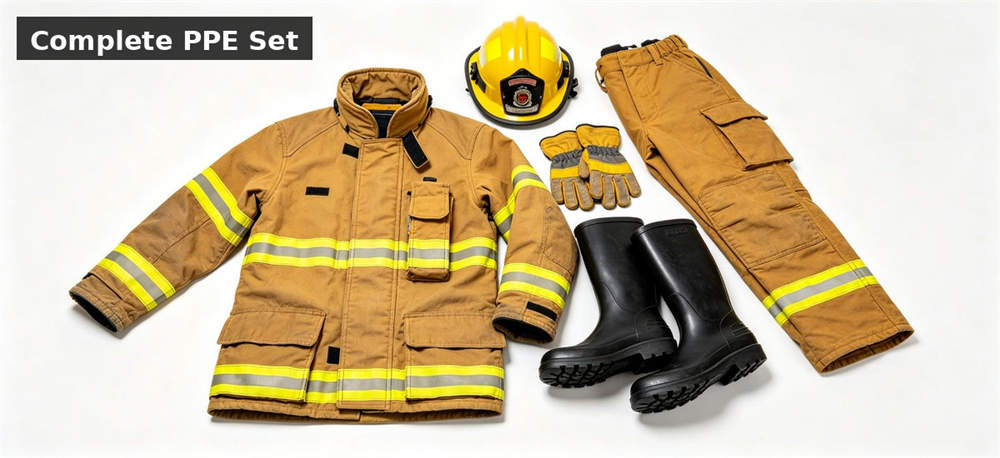
In our 20 years of supplying firefighter footwear, the most common and costly mismatch is ordering by EU shoe size alone — without measuring actual foot length, width, and calf circumference. A boot that fits the size label but not the foot causes blisters, slips, and returns. This guide covers three boot types, how to measure feet correctly, what to check in construction, sample fitting, bulk inspection, cleaning, and when to retire a pair. For complete PPE sets including clothing, helmets and gloves, see our Firefighter Clothing and Accessories page.
Before you start: firefighter boots are not all the same. A rubber pull-on boot for building fire entry is a different product from a lace-up leather boot for wildland patrol. Match the boot to the task first, then handle sizing and inspection.
Each PPE component has its own standard and test report. A boot certificate does not cover helmets, gloves or clothing. Select each component separately.
Firefighter Clothing and Accessories
Firefighter Protective Clothing
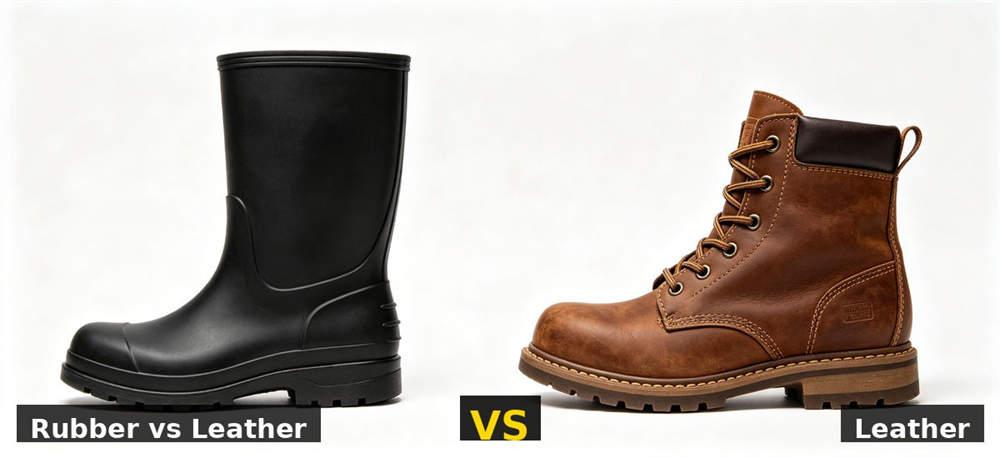
Firefighter footwear falls into three categories. Choosing the wrong type for the task is the most common procurement mismatch — a leather wildland boot cannot be used for building fire entry, and a heavy rubber boot is too hot for all-day forest patrol.
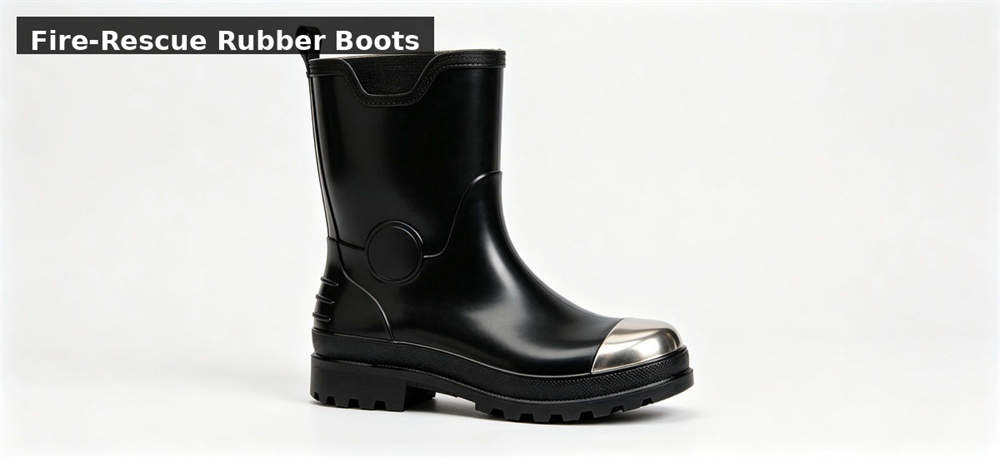
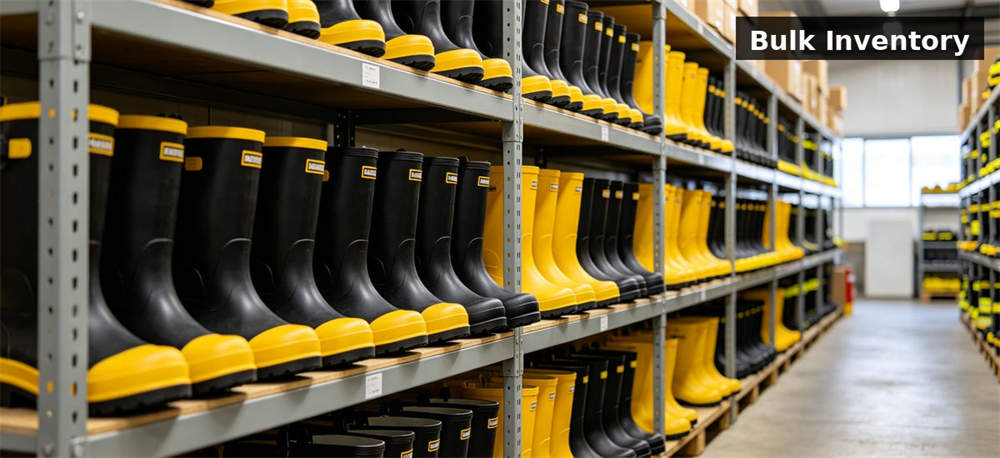
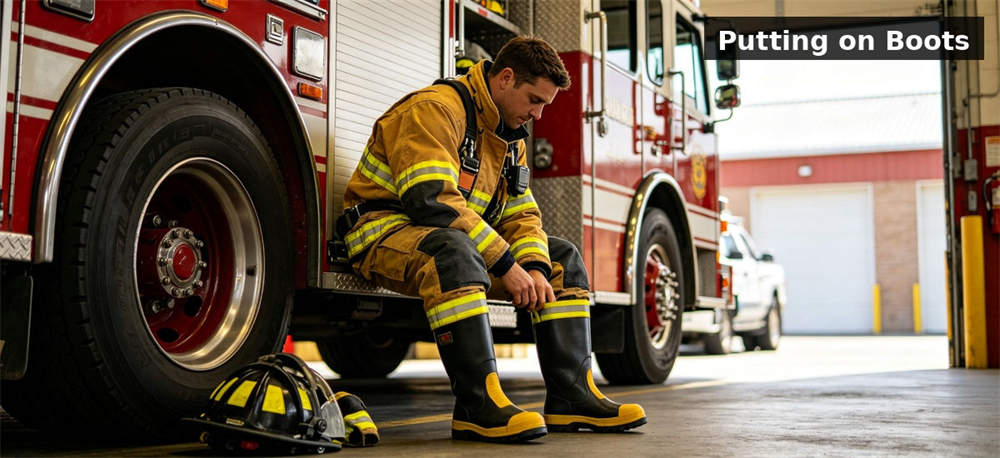
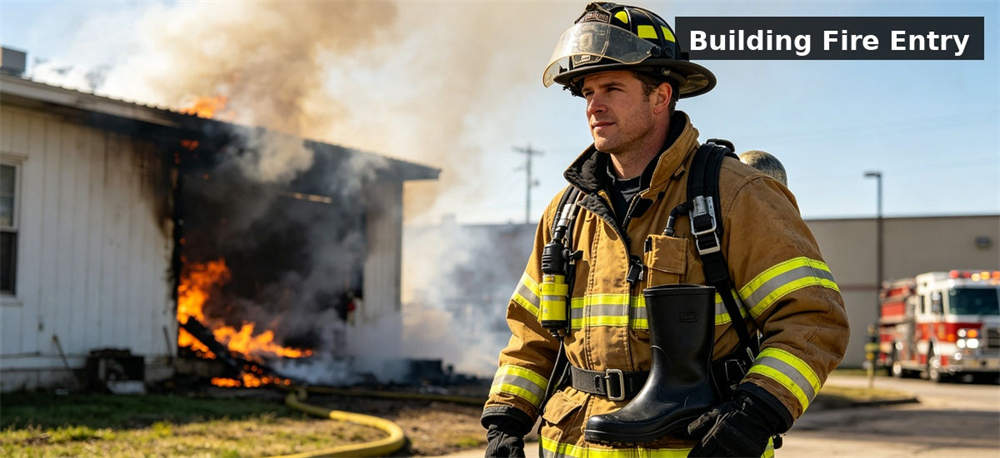
For building fire entry, emergency response, and wet rubble ground. One-piece rubber moulded construction is naturally waterproof and heat-resistant. Pull-on design means no laces to burn or snag. Steel or composite toe cap meets EN 15090 impact resistance (200J) and compression (15kN). Kevlar or steel midsole gives puncture resistance ≥1100N per EN 12568. SRC slip rating passes both ceramic tile and steel floor tests. Heat contact resistance up to 250°C — the wearer can step on hot ash briefly. Shaft height 25-35 cm covers the ankle and lower calf. Weight 2.0-2.8 kg per pair. Available in black or high-visibility yellow.
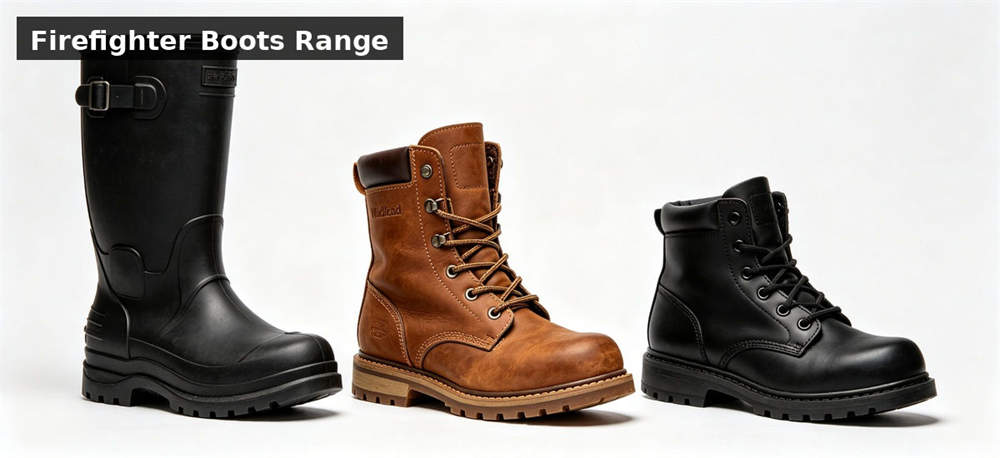
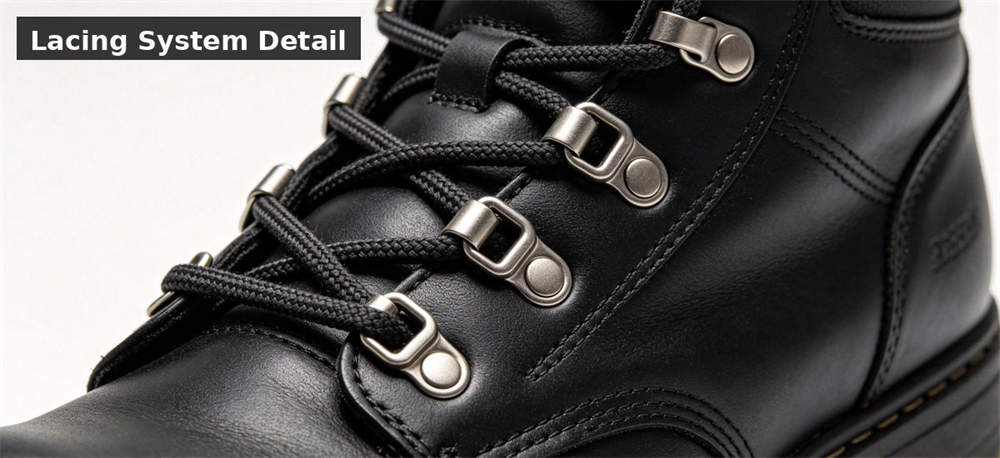
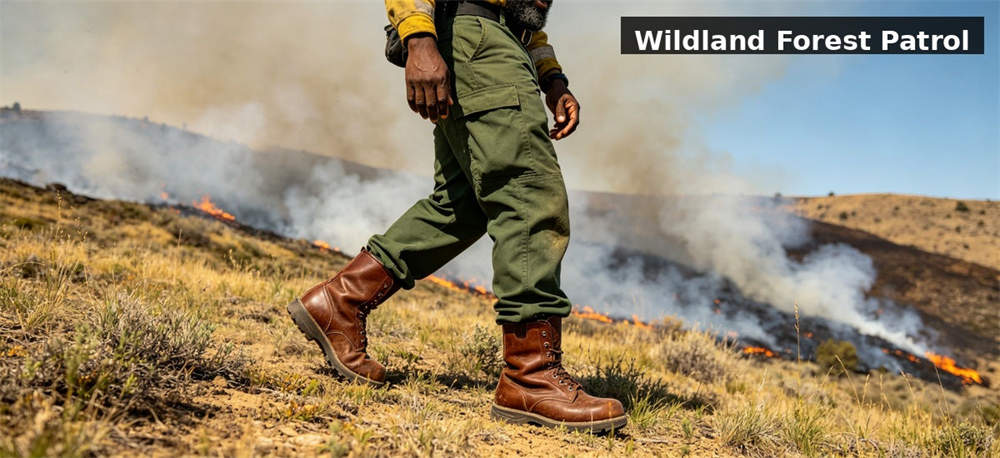
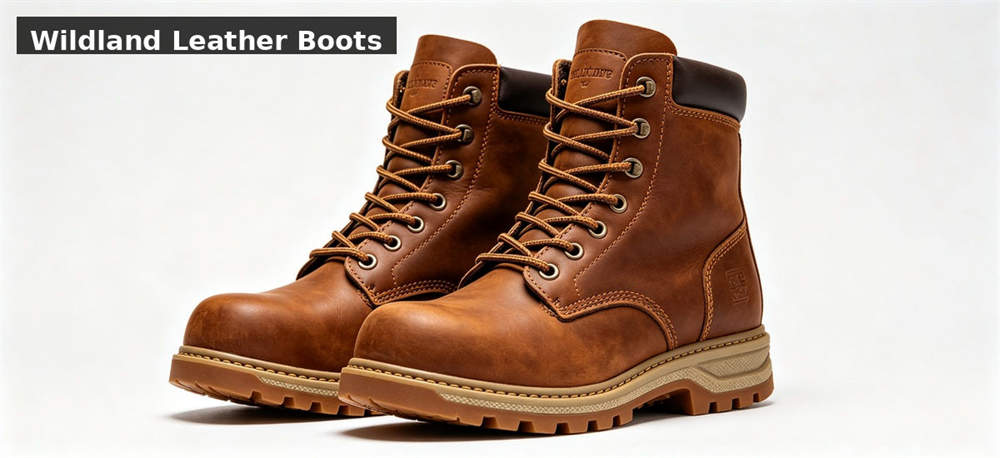
For all-day walking on slopes, forest terrain, and fire line construction. Full-grain leather upper is breathable and flexible. Kevlar midsole prevents puncture from nails, thorns and branches. Rubber or Vibram-style outsole gives grip on loose soil and rock. Lace-up closure allows individual fit adjustment. Mid-height shaft (15-20 cm) supports the ankle without restricting walking. Weight 1.2-1.8 kg per pair — significantly lighter than rubber boots for all-day wear. Available in brown or black. Not designed for building fire entry — leather will shrink and degrade under high heat.
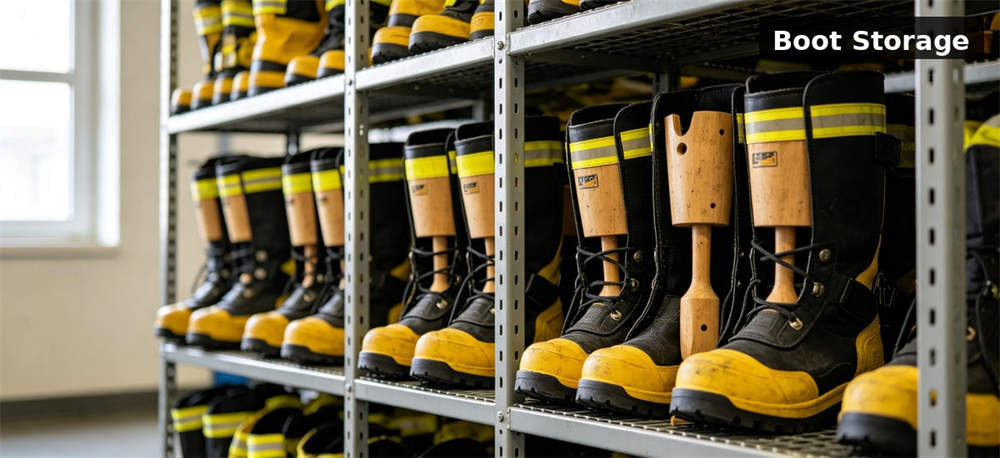
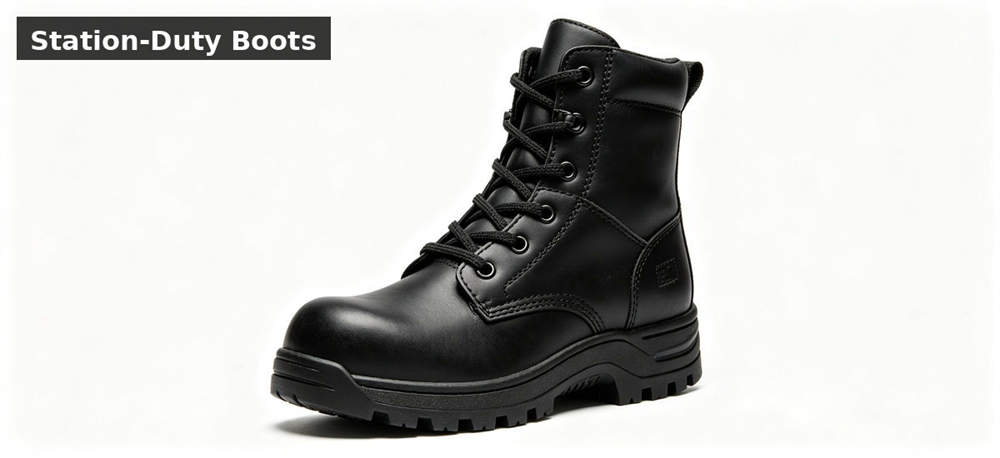
For routine station work, training, and general duty around the firehouse. Leather or synthetic upper, steel or composite toe cap, slip-resistant outsole. Meets general safety footwear standards (EN ISO 20345 or ASTM F2413) but NOT firefighter-specific EN 15090. Weight 1.0-1.5 kg per pair. These boots must be clearly labeled so they are not mistaken for fire-entry boots. Color typically black to match station uniform.
|
Feature |
Fire-Rescue Rubber Boot |
Wildland Leather Boot |
Station-Duty Boot |
|
Primary task |
Building fire entry, wet rubble |
All-day forest patrol, slopes |
Station work, training |
|
Upper material |
One-piece rubber moulded |
Full-grain leather |
Leather or synthetic |
|
Standard |
EN 15090 (firefighter) |
EN ISO 20345 + Kevlar midsole |
EN ISO 20345 / ASTM F2413 |
|
Toe cap |
Steel or composite, 200J impact |
Steel or composite, 200J |
Steel or composite, 200J |
|
Puncture midsole |
Kevlar or steel, ≥1100N (EN 12568) |
Kevlar, ≥1100N |
Optional |
|
Slip rating |
SRC (highest) |
SRA / SRB |
SRA |
|
Heat contact |
Up to 250°C |
Not rated for high heat |
Not rated |
|
Closure |
Pull-on (no laces) |
Lace-up |
Lace-up or zip |
|
Shaft height |
25-35 cm |
15-20 cm |
12-15 cm |
|
Weight per pair |
2.0-2.8 kg |
1.2-1.8 kg |
1.0-1.5 kg |
|
Waterproof |
Yes (one-piece rubber) |
Treated leather (not fully) |
Depends on model |
|
Break-in needed |
No |
Yes, 1-2 weeks |
Minimal |
EN 15090:2012 classifies firefighter boots by construction class and use type. When reading a certificate, check both:
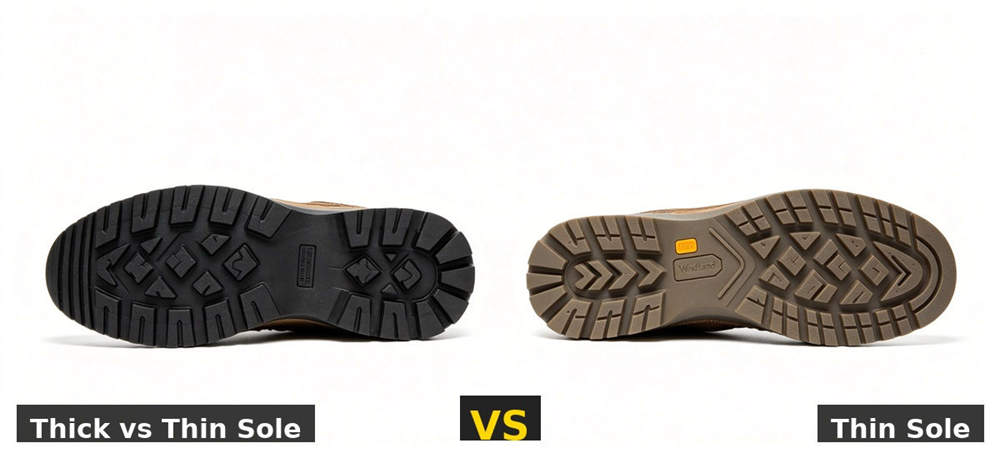
Additional markings may appear after the type: P = puncture-resistant midsole, A = antistatic, HI = heat insulation (HI1/HI2/HI3 levels), CI = cold insulation, HRO = outsole heat resistant to 300°C contact, SRA/SRB/SRC = slip rating. A certificate reading only "EN 15090" without the class, type and suffixes does not tell you what protection the boot provides — always ask for the full classification string.
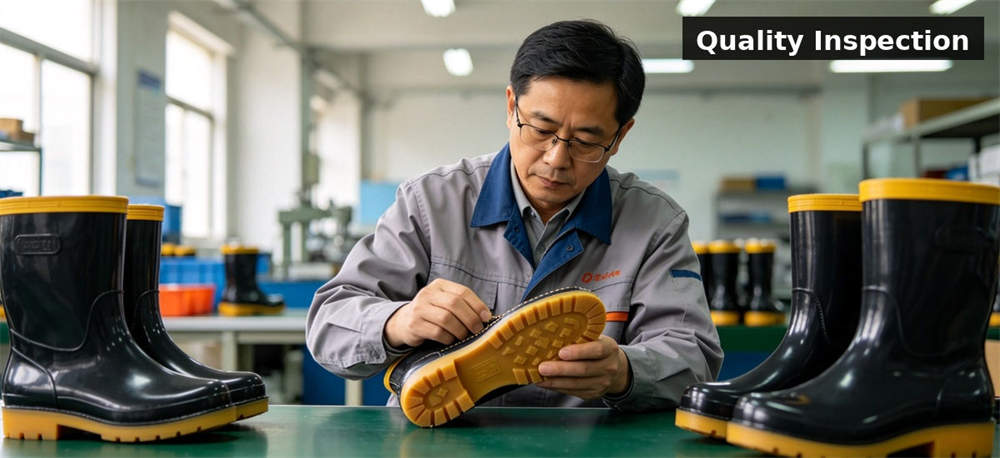
A black boot can look identical in photos but use completely different materials inside. Confirm each layer in writing before production.
|
Part |
What to confirm |
What to verify |
|
Upper |
Material (rubber / full-grain leather / split leather / synthetic), thickness, panel construction |
Confirm the leather grade in writing — split leather wears out 2-3 times faster than full-grain |
|
Toe cap |
Steel vs composite (carbon fiber / plastic), impact rating 200J, compression 15kN |
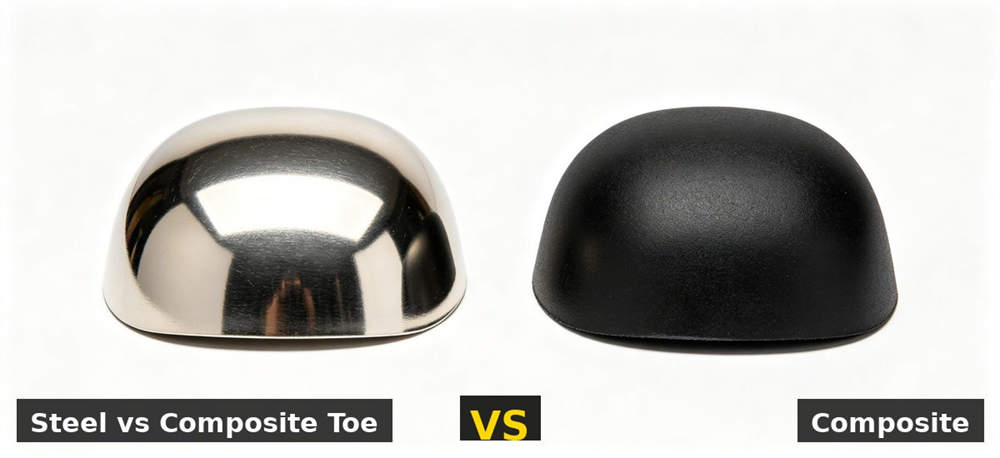
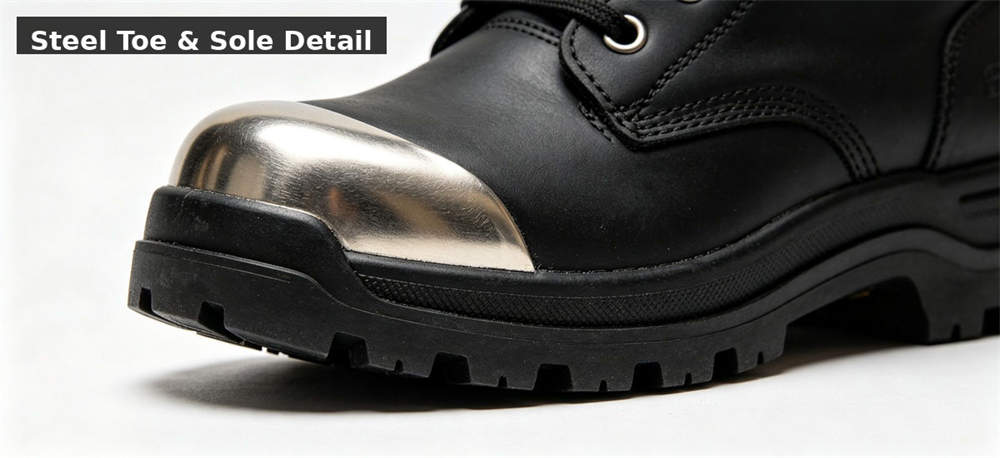
Steel toe is heavier and sets off metal detectors; composite is lighter and non-conductive — choose based on the work environment |
|
Lining |
Material (cotton / nylon mesh / Kevlar), moisture wicking, seam placement |
Check the inner lining for roughness — rough lining causes blisters during long shifts |
|
Insole |
Material (EVA / memory foam / anti-fatigue), removable or fixed, arch support |
Confirm whether the insole is removable — fixed insoles cannot be replaced with orthotic insoles |
|
Midsole |
Kevlar (flexible, non-metallic) vs steel (rigid, detectable), puncture ≥1100N per EN 12568 |
Steel midsoles are heavier and set off metal detectors at airports and security checkpoints |
|
Outsole |
Compound (rubber / PU / Vibram-style), tread pattern, slip rating (SRA/SRB/SRC), heat resistance |
PU outsoles degrade faster than rubber in high-heat environments — confirm the compound for fire-rescue use |
|
Sole attachment |
Cemented / stitched / Goodyear welt / one-piece moulded (rubber boots) |
Cemented soles can separate in heat; stitched or one-piece moulded construction is more durable for fire service |
|
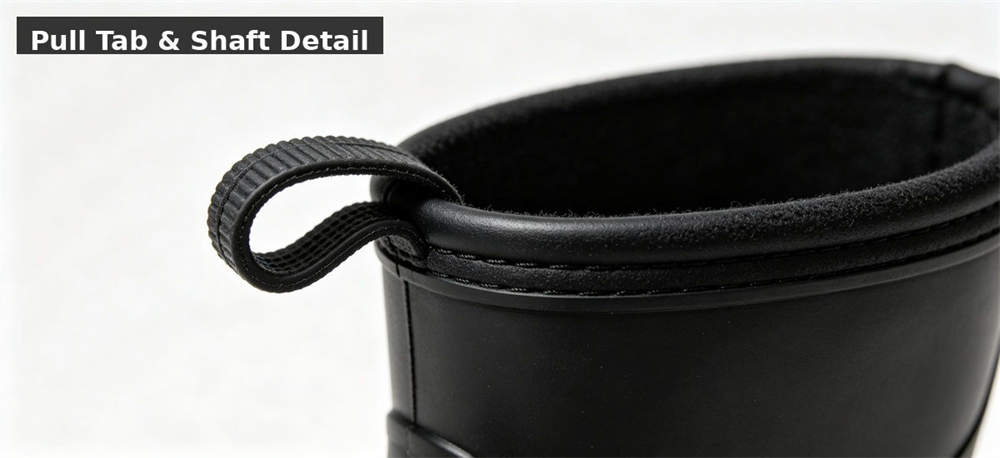
Shaft and collar |
Height, opening width (calf fit), padding, pull tabs (rubber boots) |
Measure the shaft opening against your crew's calf circumference — narrow openings cannot fit large calves |
Steel toe vs composite toe: both meet the same 200J impact standard. Steel is lower cost and more durable but heavier (adds ~200g per boot) and sets off metal detectors. Composite (carbon fiber or plastic) is 30% lighter, non-conductive, and does not trigger detectors — preferred for airport, electrical, and security contexts.
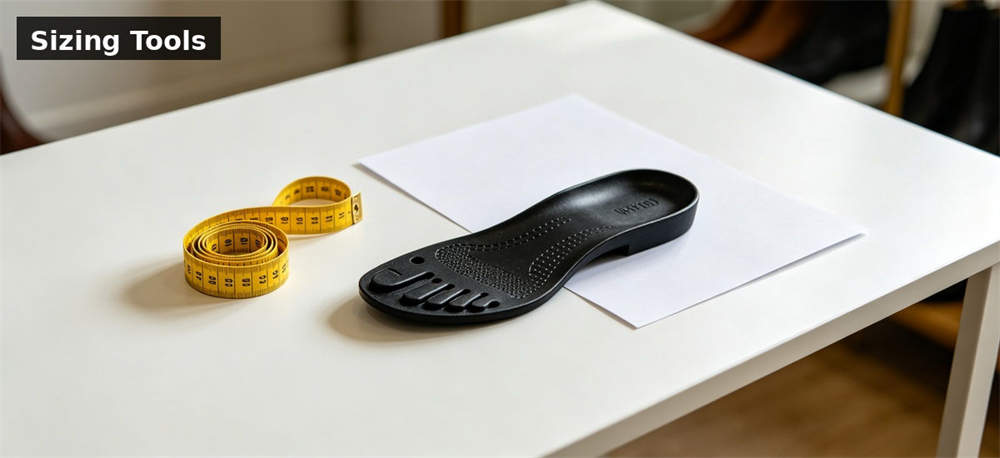
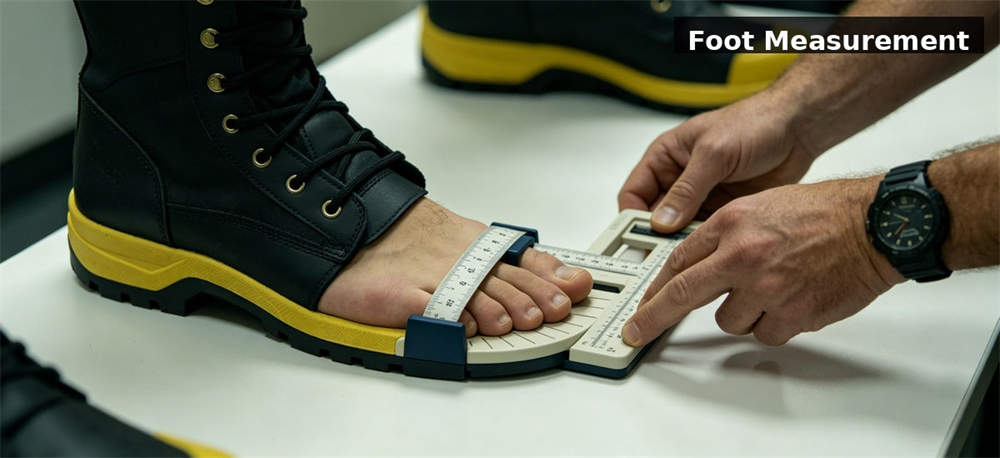
Ordering "EU 40-46" without a ratio is the fastest way to get 10 pairs of size 38 and zero pairs of size 42. Collect actual measurements, then convert to the boot's internal length.
|
EU size |
US men's |
Internal length (cm) |
Recommended foot length (cm) |
|
38 |
5.5 |
24.0 |
23.0 |
|
39 |
6 |
24.5 |
23.5 |
|
40 |
7 |
25.0 |
24.0 |
|
41 |
8 |
25.5 |
24.5 |
|
42 |
8.5 |
26.0 |
25.0 |
|
43 |
9.5 |
26.5 |
25.5 |
|
44 |
10.5 |
27.0 |
26.0 |
|
45 |
11 |
27.5 |
26.5 |
|
46 |
12 |
28.0 |
27.0 |
Conversion varies by manufacturer and last shape. Always confirm against the specific boot model's size chart, not a universal table. Wide feet or high insteps may need half a size up.
A typical adult male fire department distribution is approximately EU 39:40:41:42:43:44:45:46 = 1:2:3:4:4:3:2:1. Sizes 41-43 usually account for about 60% of the order. Add a 10% spare buffer for new hires and size exchanges. Female firefighters may need a separate last (narrower heel, wider forefoot) — a smaller men's size is not the same as a women's fit.
Approve a physical sample before bulk production — never approve from photos. Test with the actual socks, trousers, and any orthotic insoles the wearer will use on duty.
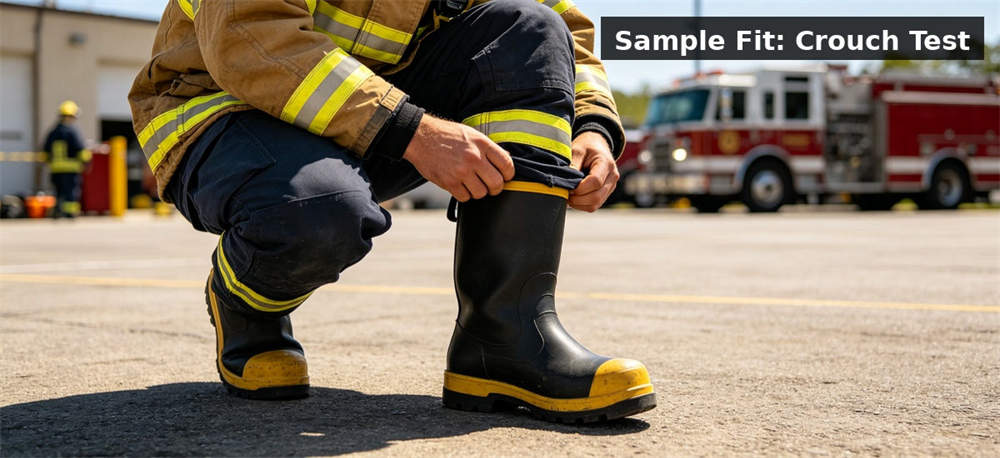
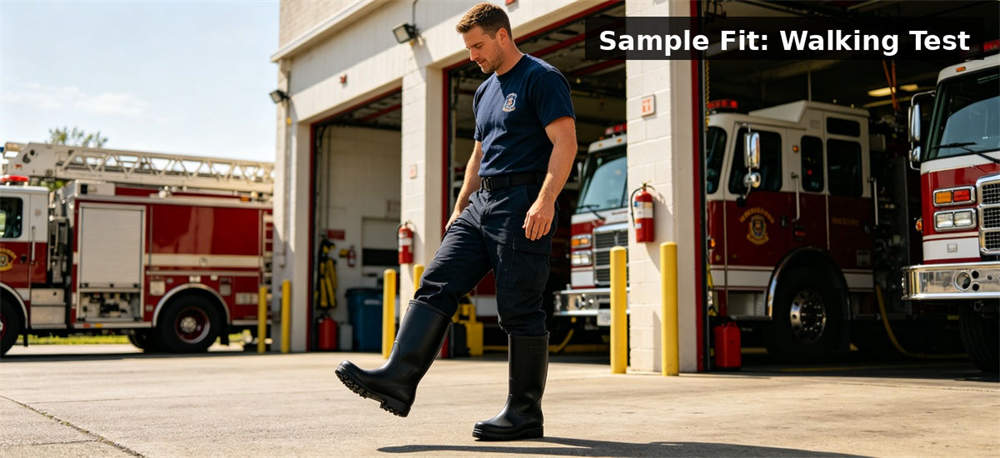
Break-in note: Leather boots need a 1-2 week break-in period. If a leather sample feels slightly stiff out of the box, that is normal — it will soften. Rubber boots need no break-in; if a rubber sample feels uncomfortable, it will not improve.
We provide samples for quality evaluation before bulk orders. In-stock standard samples ship in 3-5 working days; the sample fee depends on the product type and model (we provide the specification sheet and quotation at no cost, while the physical sample itself is charged). Fully custom samples (custom color, logo, size, or certification) take 20-35 working days and are quoted based on complexity; mold or plate fees may apply for custom logos. Sample cost can be credited against a confirmed bulk order; the exact terms are confirmed in writing at order placement. Courier costs are paid by the buyer.
Do not accept a shipment by counting cartons only. Inspect the actual boots using AQL 2.5, the industry standard for footwear.
|
Order quantity |
Sample size to inspect |
Acceptable major defects |
Reject threshold |
|
50-90 pairs |
13 pairs |
0 major defects |
1 major defect |
|
91-150 pairs |
20 pairs |
1 major defect |
2 major defects |
|
151-280 pairs |
32 pairs |
2 major defects |
3 major defects |
|
281-500 pairs |
50 pairs |
3 major defects |
4 major defects |
|
501-1200 pairs |
80 pairs |
5 major defects |
6 major defects |
We can help arrange third-party test reports based on your project requirements — EN 15090, EN 12568, EN ISO 20345, ASTM F2413, and slip resistance per EN ISO 13287. The buyer selects the standard and laboratory based on the destination market, and testing costs are covered by the buyer. We recommend testing before bulk production as part of sample approval.
Proper care doubles the service life of firefighter boots. The wrong cleaning method can destroy a boot in one wash.
|
Boot type |
Cleaning method |
What to avoid |
Drying |
|
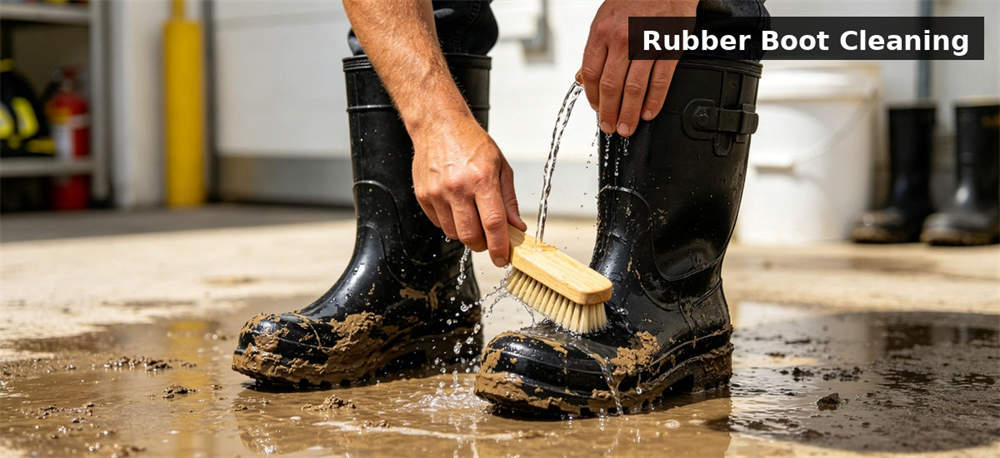
Rubber fire-rescue boots |
Rinse with clean water, soft brush for mud. Mild soap for oil/grease. |
Solvents, gasoline, abrasive cleaners — they dry out and crack rubber |
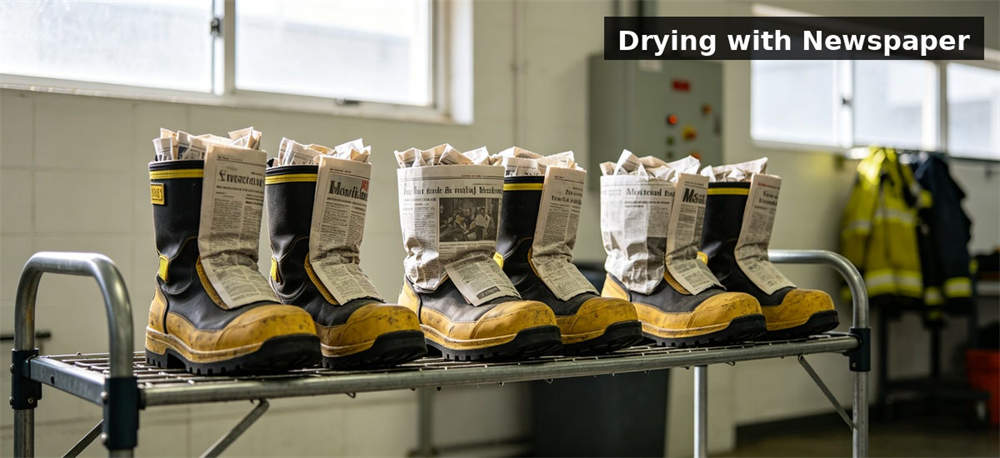
Air dry at room temp. Stuff with newspaper to absorb moisture. |
|
Leather wildland boots |
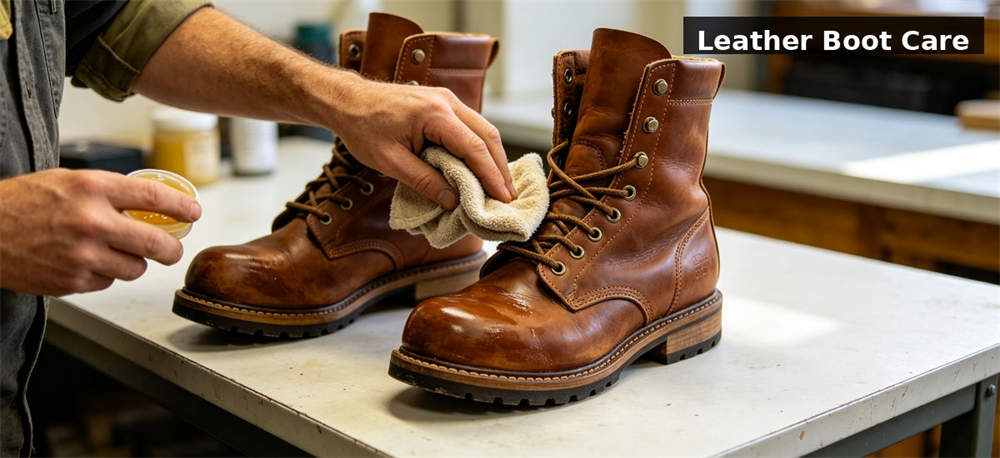
Wipe with damp cloth and mild soap. Apply leather conditioner every 3 months. |
Soaking in water, machine washing, direct heat — leather shrinks and cracks |
Air dry with boot trees. No radiator, no hairdryer, no sunlight. |
|
Station-duty boots |
Per material care label. Leather: wipe and condition. Synthetic: damp cloth. |
Machine washing unless label says so |
Air dry. Remove insoles to dry separately. |
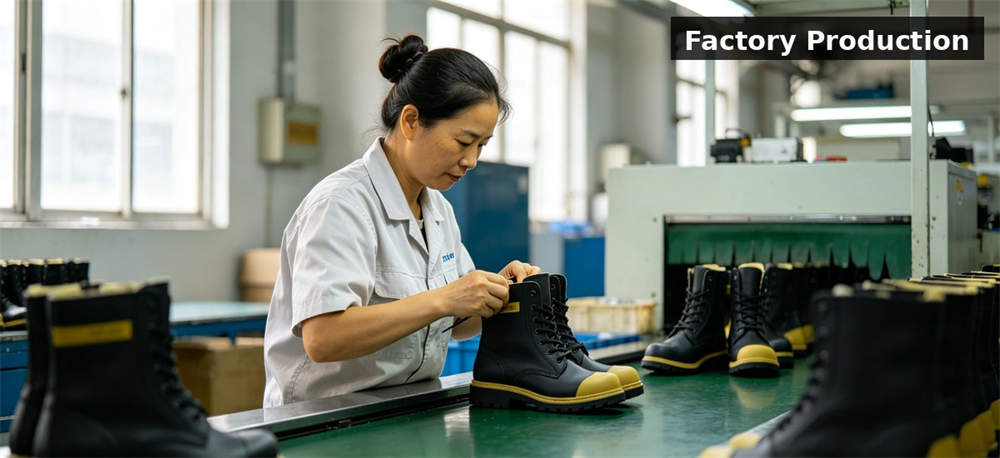

MOQ and lead time depend on model, quantity, customization, tests and packing. Standard production lead time: 7-15 working days for in-stock components, 25-40 working days for custom color/logo or large orders, 35-50 working days for custom material or certification (test report time included). Emergency rush orders can start production within 72 hours for standard models with in-stock components (subject to factory capacity). Final lead time is confirmed in the contract. MOQ varies by model and component availability — send your requirement list for an itemized quote.
What is the difference between fire-rescue rubber boots and wildland leather boots?
Fire-rescue rubber boots are one-piece moulded rubber, pull-on, 25-35 cm shaft, 2.0-2.8 kg per pair, EN 15090 certified, heat resistant to 250°C, for building fire entry. Wildland boots are full-grain leather, lace-up, 15-20 cm shaft, 1.2-1.8 kg per pair, Kevlar midsole, for all-day forest walking. They are not interchangeable — leather boots are not rated for building fire heat.
Can I order using only EU or US shoe sizes?
No. Marked sizes vary between manufacturers and lasts. Always collect actual foot length (cm), foot width, and calf circumference for high-shaft boots. Use the boot model's own size chart to convert, not a universal table. About 60% of people have different-sized left and right feet — measure both and use the larger one.
How is a bulk size ratio prepared?
Collect measurements from the actual wearer group. A typical fire department ratio is EU 39:40:41:42:43:44:45:46 = 1:2:3:4:4:3:2:1, with sizes 41-43 about 60% of total. Add 10% buffer for new hires and exchanges. Female firefighters may need a women's last — a smaller men's size is not the same fit.
No. Photos show tread pattern and appearance only. Slip resistance is tested per EN ISO 13287 on ceramic tile (SRA) and steel floor (SRB) — SRC means both pass. Puncture resistance is tested per EN 12568 at ≥1100N. Always ask for the test report matching the exact boot model, not a similar-looking product.
Why is sample fitting required before a bulk order?
A boot that matches the size label may still not fit: toe room too small causes black toenails, heel lift causes blisters, narrow shaft cannot fit large calves, wrong outsole slips on your specific ground. Test with actual work socks, trousers, and insoles. Approve a physical sealed sample — never from photos alone.
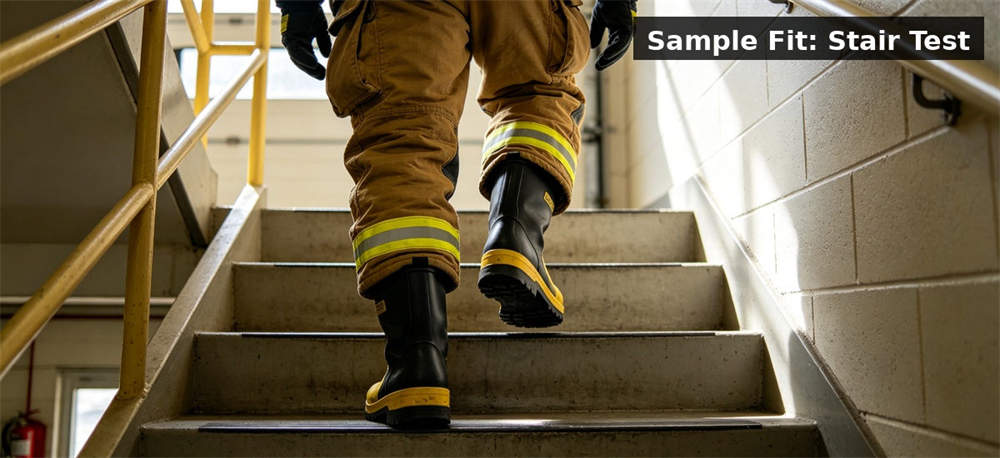
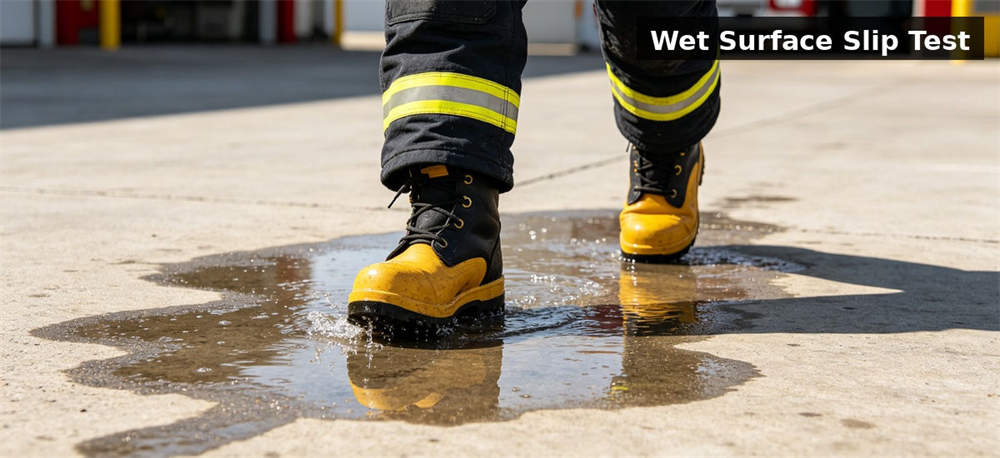
Seven checks: 1 cm toe room when standing, heel lift <1 cm when walking, no pinching at instep, ankle supported (no side wobble), crouch and kneel 10 times without shin digging, 20 stairs without toe hitting or heel popping, 50 steps on wet concrete without slipping. Leather boots need 1-2 weeks break-in; rubber boots do not.
What should be checked first at bulk receiving?
Open random cartons from different shipment positions. Check: carton marks (product/size/quantity/carton number), left/right pair matching (most common factory issue), size label inside each boot, sole attachment (no separation), upper material and color, quantity by size. Use AQL 2.5 sampling — for 500 pairs, inspect 50 pairs.
Mark each carton with: project name, destination, boot model, size, pair count, and carton sequence number. Match this against the allocation list so warehouse teams can distribute cartons without opening them. Keep a master packing list showing which carton numbers go to which destination.
Can boots be ordered together with clothing and helmets?
Yes, but each component is approved separately. Boot sizing does not determine helmet or glove size. Each component has its own standard and test report. The trouser hem must cover the boot top — confirm this interface during the sample fitting, not after delivery.
Can third-party testing or certification be arranged?
Yes. We can help arrange third-party test reports based on your project requirements — EN 15090 (firefighter boots), EN 12568 (toe cap and puncture midsole), EN ISO 20345 (safety footwear), ASTM F2413 (US safety footwear), and slip resistance per EN ISO 13287. The buyer selects the standard and laboratory based on the destination market, and testing costs are covered by the buyer. We recommend testing before bulk production as part of sample approval.
How is retirement or return-to-stock decided?
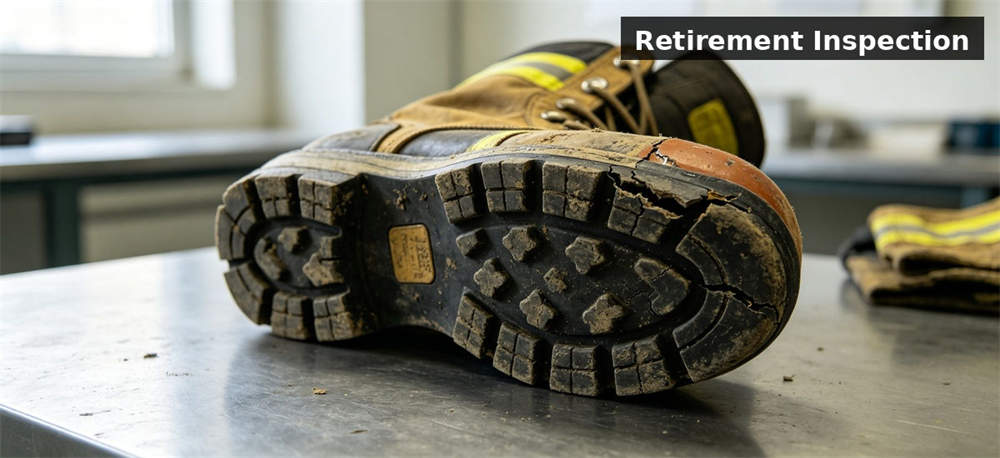
Retire immediately if: outsole tread worn >50%, upper cracks/tears >2 cm, sole separation >5 cm, toe cap dented or cracked, puncture midsole pierced, rubber brittle or sticky, leather shrunk from heat, or past manufacturer service life (3-5 years rubber, 2-3 years leather with regular use). After any serious incident (collapse, chemical, extreme heat), retire regardless of appearance.
How should firefighter boots be cleaned and dried?
Rubber boots: rinse with water + soft brush, mild soap for oil, air dry with newspaper inside — no solvents, no direct heat. Leather boots: damp cloth + mild soap, leather conditioner every 3 months, air dry with boot trees — never soak, never machine wash, never radiator/hairdryer/sunlight. Remove insoles to dry separately. Damp boots grow mold and degrade faster.
Standard production: 7-15 working days for in-stock components; custom color/logo: 25-40 working days; custom material or certification: 35-50 working days (test report time included). Emergency rush for standard models can start within 72 hours. Final lead time is confirmed in the contract. Rubber boots: ~10 pairs/carton, ~25 kg. Leather boots: ~12 pairs/carton, ~18 kg. 20-foot container: ~500-800 pairs. MOQ varies by model — send your requirement list for a quote.
Steel toe or composite toe — which should I choose?
Both meet the same 200J impact and 15kN compression standards. Steel toe is lower cost, more durable under impact, but heavier (~200g more per boot) and sets off metal detectors. Composite toe (carbon fiber or plastic) is 30% lighter, non-conductive, and does not trigger detectors — preferred for airport, electrical, and security contexts. Composite costs more per pair.
Class I = leather and other materials (wildland/station boots); Class II = all-rubber or all-polymeric moulded (fire-rescue rubber boots). Type 1 = outdoor/wildland, no toe cap or puncture midsole. Type 2 = fire suppression with toe protection AND puncture resistance (standard structural boot). Type 3 = Type 2 plus chemical hazard protection. Check the full classification string on the certificate — "EN 15090" alone does not specify the protection level.
How long do samples take and how are sample fees handled?
In-stock standard samples ship in 3-5 working days; the sample fee depends on the boot model. Fully custom samples (custom color, logo, size or certification) take 20-35 working days and are quoted based on complexity. Sample cost can be credited against a confirmed bulk order; exact terms are confirmed in writing at order placement. Courier costs are paid by the buyer. The specification sheet and quotation are provided at no cost.
INTERNAL LINK CARD AREA - target page and URL pending
|
Review firefighter and protective boots |
Send the urgent procurement question |
 |
 |
|
Compare rubber, wildland and station boots |
Discuss sizing, samples and inspection |
Дружні посилання :
Авторське право © Custom Disaster - Relief Bedding: Tents, Sleeping Bags, Blankets Всі права захищені
професійна команда для обслуговування !