Wholesale Hydraulic Rescue Tools Hydraulic Cutters
Hydraulic rescue tools free trapped victims fast. Cutters, spreaders, combi tools, ram and power units form a complete rescue system. This guide covers every tool type, the force specs behind each one, and how to buy the full range wholesale for fire, search and rescue teams.
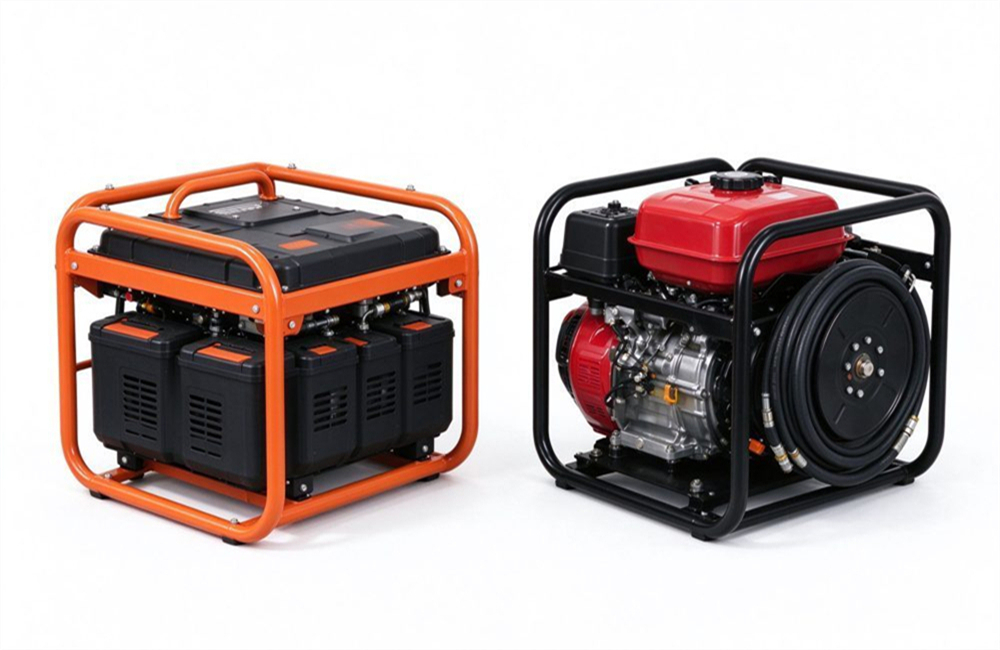
Table of Contents
What Are Hydraulic Rescue Tools?.
Core Tool Types..
Tools by Scenario..
Single-Hose vs Twin-Hose..
Key Specifications..
Choosing a Supplier..
Certifications & Compliance..
Training, Safety & Maintenance..
FAQ: Wholesale Guide..
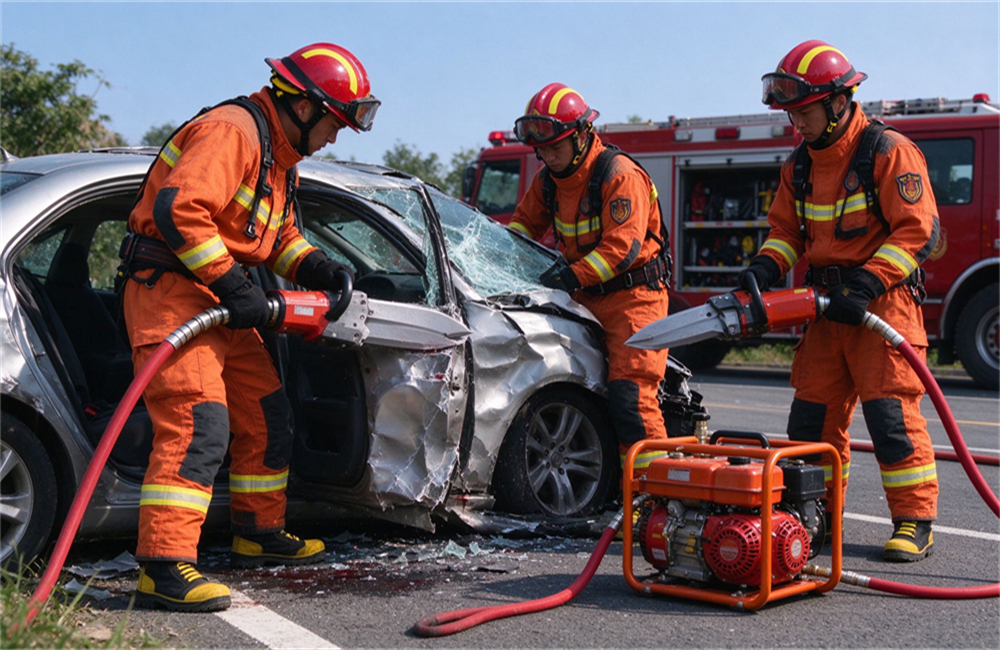
Hydraulic rescue tools are high-force devices driven by hydraulic fluid under pressure. A power unit or pump pushes oil into a cylinder. The cylinder drives a blade, an arm or a piston. That force powers cutting, spreading, lifting and pulling far beyond human strength.
These fire rescue tools rely on hydraulics because the force is continuous and controllable. Fire rescue tools cover the full range from cutters to spreaders and rams, and every wholesale rescue tools order ships with the matching power unit.
A full hydraulic rescue tool set serves one core mission: free people quickly. Modern hydraulic rescue tools kits run on petrol, diesel, battery or mains electric power. The tools themselves share one design language. Thick blades cut car pillars. Spreading arms force doors open. Rams lift collapsed concrete.
Rescue teams standardise on hydraulic rescue tools for one reason. Speed matters inside the golden hour. A hydraulic cutter severs a steel pillar in seconds. A manual tool can take minutes. Every minute of delay raises the risk for the trapped person.
The modern hydraulic rescue tool family grew out of extrication practice in the 1960s. Standardisation soon . National standards such as NFPA 1936 define performance, force ratings and safety requirements for powered rescue tool systems. Buyers should match hydraulic rescue tools procurement to these standards.
Certification documents matter for hydraulic rescue tools as much as force numbers. CE certification and equivalent test reports prove that a tool meets pressure, seal and safety benchmarks. A reliable supplier shares these documents in the quotation package.
This guide maps the whole hydraulic rescue tool category. You see each tool type, the force it delivers, the scenario it serves, and how the pieces link into one system. Wholesale buyers get the full picture before they compare suppliers.
The complete hydraulic rescue tools range covers five core types. Hydraulic cutters handle metal. Hydraulic spreaders open gaps. Combi tools cut and spread in one body. Rescue ram lifts and stabilises. Power units drive every tool. Electric and manual lines complete the hydraulic rescue tools system for specific jobs.
Inside the system, a simple loop does the work. The pump draws oil from a reservoir, pressurises it, and sends it through a hose to the tool. A valve directs the flow into the cylinder, where a piston moves the working blade or arm.
Releasing the valve returns the oil to the tank. This closed loop gives hydraulic rescue tools their precise, repeatable force.
Operation safety comes from training and daily checks. Operators confirm hose connections, inspect blades and verify pressure before every deployment. Standard hydraulic rescue tools carry relief valves that release excess pressure automatically, protecting both the operator and the victim.
Routine care extends tool life. Clean couplings after every use, wipe blades and check seals for leaks. The maintenance page carries the full service schedule. Teams that log these checks keep hydraulic rescue tools ready for the next call.
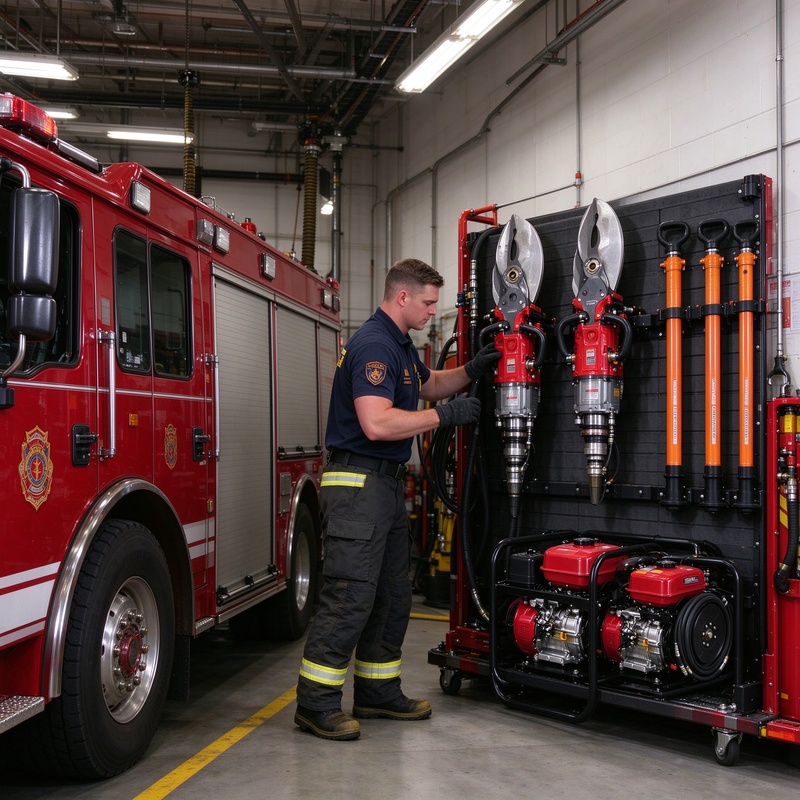
A fire brigade typically buys a matched set of hydraulic rescue tools. One power unit, two or three tools, hoses and a case. The system stays interchangeable, so one pump drives every tool. This modular design keeps training short and spare parts simple.
Hydraulics rely on Pascal's law. The power unit pumps oil into the cylinder. Pressure inside the cylinder moves the piston. Piston area times pressure produces the force at the blade or arm.
A hydraulic rescue tools system has five component groups. The power unit creates flow and pressure. Hoses carry oil to the tool. Quick couplers keep the connection sealed. The tool cylinder turns hydraulic energy into mechanical force. Control valves direct the oil flow.
Compared with manual tools, hydraulic rescue tools deliver more force with less physical effort. One operator does work that needs several people with pry bars. The trade-off is higher purchase cost and training time. See the hydraulic vs manual rescue tools article.
Confirm the certification baseline before purchase. European buyers require CE conformity. US fire markets benchmark against NFPA 1936. Export documents affect customs clearance and acceptance. The certification section below covers the details.
The rest of this guide expands each tool type, scenario setup, hose system and supplier check. Every section links to the dedicated deep page. Procurement teams can read this page first, then dive into the single pages they need.
Verify force numbers two ways before buying hydraulic rescue tools. Read the data sheet, then confirm the figure in a live test. Data sheets and test results together give procurement a reliable baseline for hydraulic rescue tools.
A modular hydraulic rescue tools set pays off over time. Tools share pumps, hoses and couplers, so spares stay low. Replace one worn tool without changing the rest of the system. That is the operating advantage of a standardised hydraulic rescue tools range.
This page works as a navigation hub. Each section is a short overview, and every key claim links to the page with the full detail. Teams returning for reference can start here and follow the links they need.
The buying path is simple. Read this hub, open the tool page you need, verify specs, then request the quotation with certification files. Procurement teams repeat this loop for every tool family in the range.
Five hydraulic rescue tools families cover almost every rescue job. These five families define the hydraulic rescue tools wholesale category. The next paragraphs explain the core hydraulic rescue tool types one by one. Each family has its own force profile, weight and best use. The table below summarises the core line-up before each type is explained.
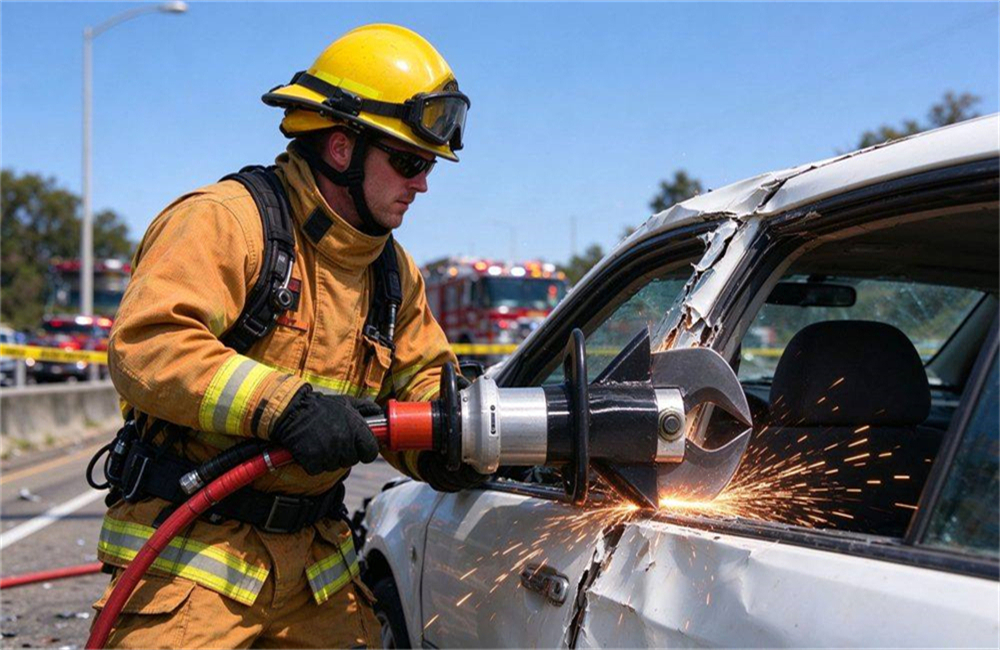
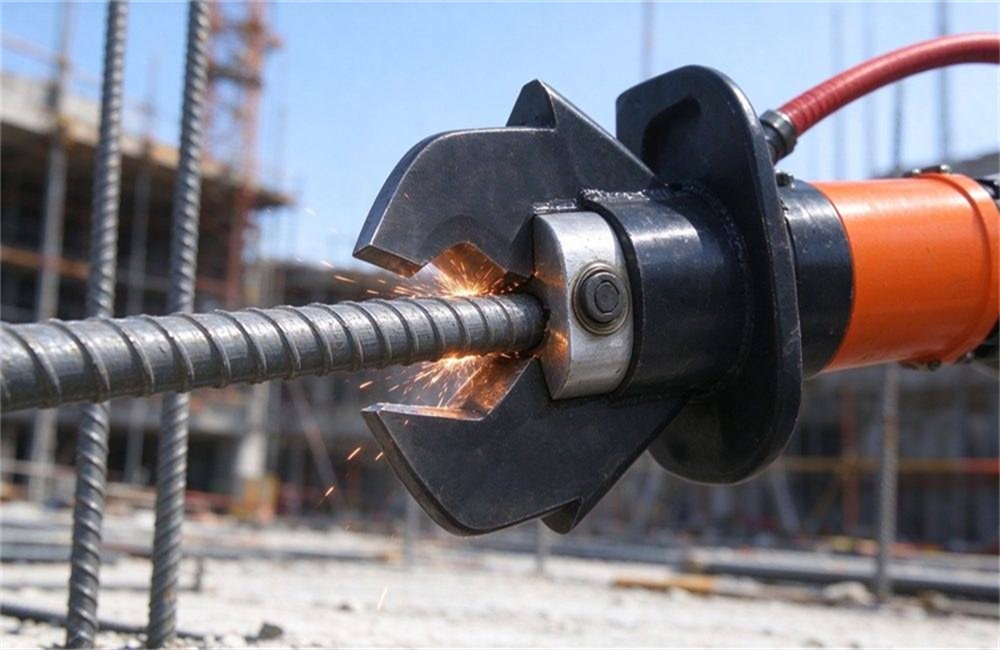
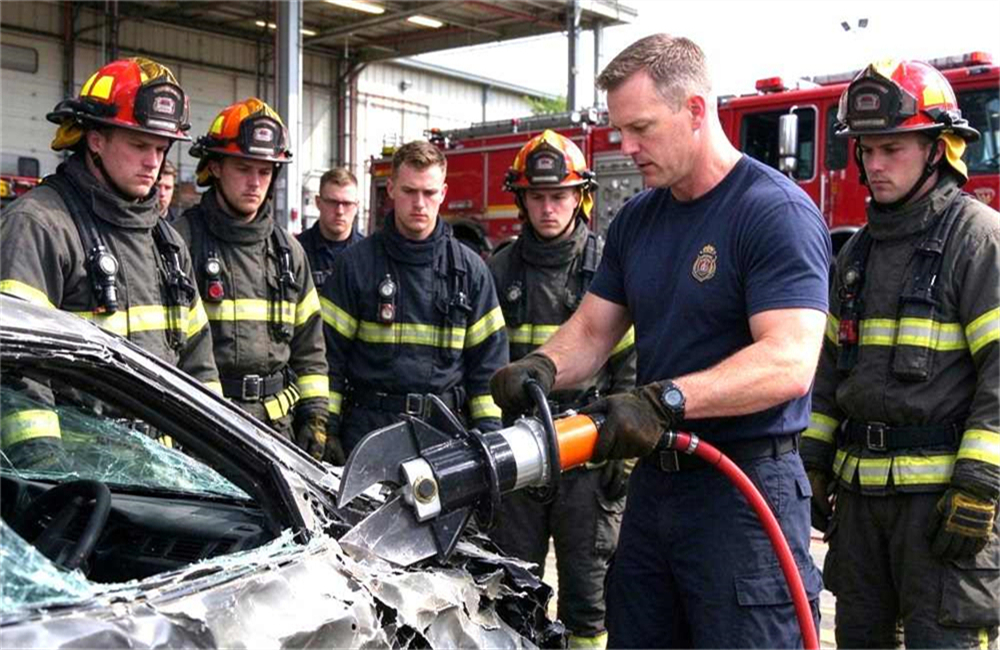
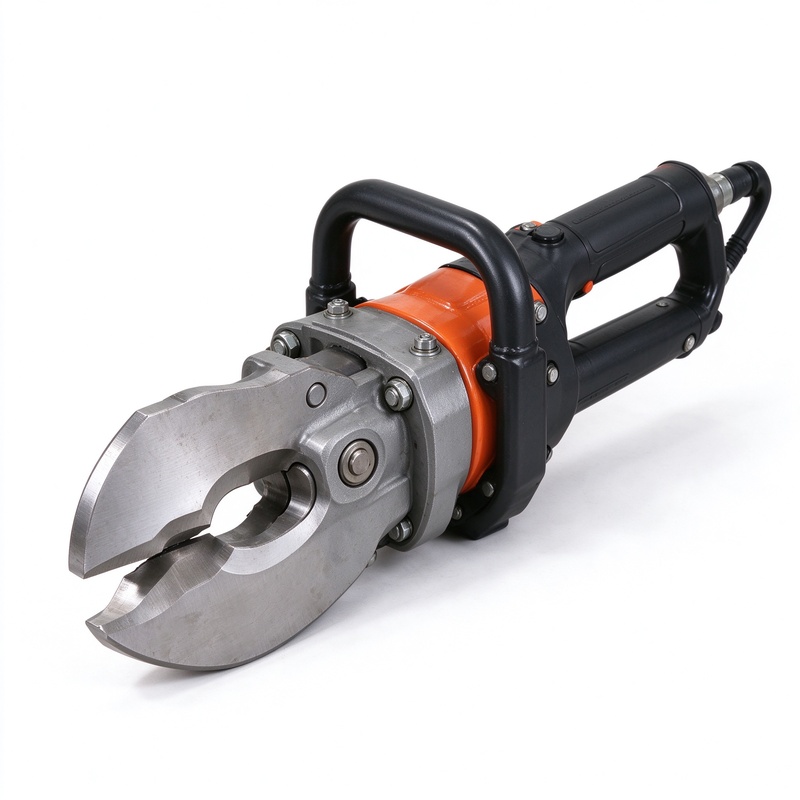
A hydraulic cutter severs vehicle pillars, door hinges, steel frames and rebar. Hardened blades close under high pressure. Standard rescue cutters deliver cutting force above 400 kN and open wide enough for a vehicle pillar.
Cutter models range from compact single-hose units to heavy twin-hose cutters. Blade design matters for hydraulic rescue tools performance. Narrow blades reach into tight panels. Wide blades cut thick structures fast. Most brigades keep one standard cutter as the primary extrication tool.
When choosing hydraulic rescue tools, compare the cutting opening and blade angle. A wider opening handles thicker pillars. A steeper blade angle cuts through layered steel more cleanly. Both numbers appear in the full specification sheet.
A reference model in the cutter line, the GYJQ-28-10/125, severs 28 mm round steel and 10 mm steel plate in one bite. That level of cutting force is the practical baseline for vehicle pillars. Wholesale buyers should verify the equivalent figures for each model they shortlist.
When comparing cutters, check blade opening, thickness and angle. A wider opening grips thicker pillars. A steeper blade angle cuts layered steel cleanly. Blade material decides lifespan, with hardened steel edges holding up under heavy loads.
Accessories extend the cutter. Chain cutting attachments handle flat steel. Extension arms reach into tight spaces. All accessories share the standard cylinder connection.
Blades wear with use. A dull blade cuts slower and strains the pump. Most cutters accept sharpening two or three times before replacement. Plan blade service into the maintenance budget.
The full cutter range, model by model and force by force, sits on the hydraulic cutter page.
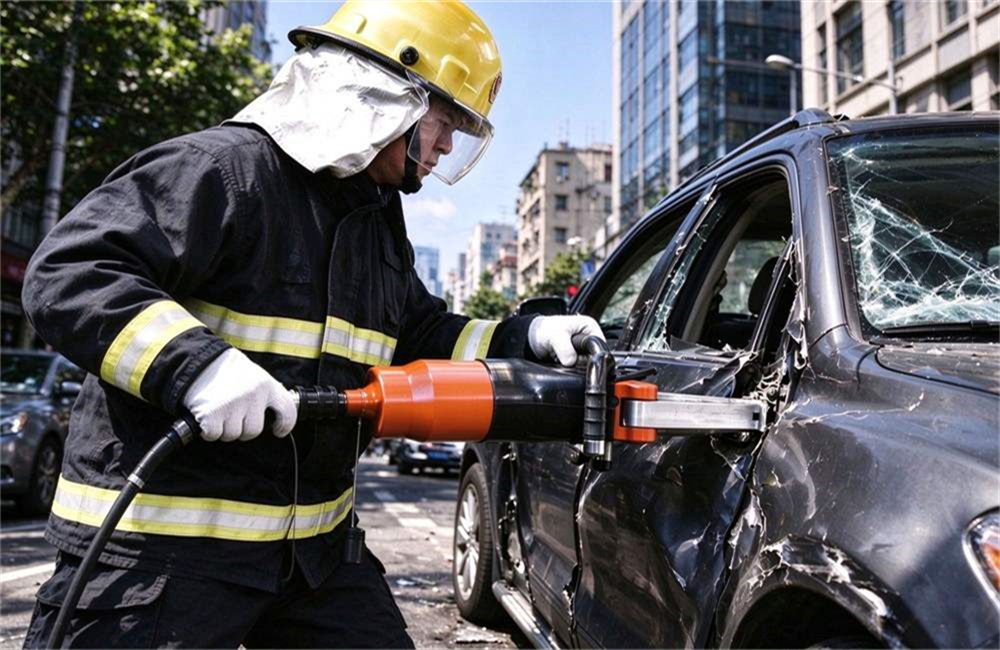
A hydraulic spreader pries doors, lifts crushed panels and widens gaps. Spreading arms open with force measured in kilonewtons. Standard spreaders deliver 40 to 60 kN of force and spread more than 600 mm.
Spreaders also grip, pull and tear with chains and attachments. A spreader is the most versatile hydraulic rescue tools unit in the kit. It opens jammed car doors, lifts dashboard sections and clears debris in confined spaces.
Spreading force and opening width define performance. The opening distance decides how far the arms travel before contact. The force figure decides how much panel a team can move. Both belong on the comparison sheet.
The GYKZ-42-62/680 spreader delivers 42 to 62 kN of spreading force and opens 680 mm. These two numbers decide whether a spreader clears a dashboard or moves a truck door. Confirm the opening width against the vehicles in your fleet.
Spreaders pull and tear with chains and pulling attachments. Combined spreading work covers most car door jobs. Arm speed decides the rhythm of continuous operations.
Compare opening distance and pulling force. Opening decides arm travel before contact. Pulling force decides how much deformed structure a team can move. Both belong on the spec sheet.
Spreader arms lift roofs with chains and straps. Roof lifts give patient access after side doors are opened. The same chains convert the spreader into a pulling tool for deformed structures.
Compare spreader models, attachments and pulling kits on the hydraulic spreader page.
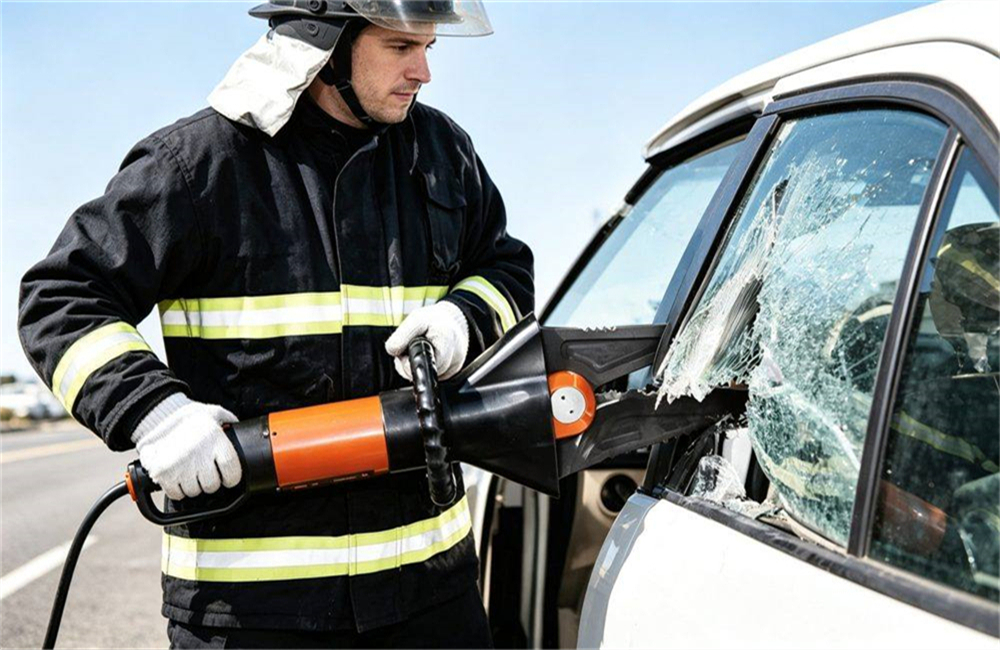
A hydraulic combi tool combines cutter and spreader in one body. The operator switches between cutting and spreading without changing tools. Rescue teams value this for speed on the roadside and for space in the appliance bay.
Combi tools suit vehicle extrication first. They cut the pillar, then spread the gap, in one continuous sequence. Single-hose combi tools run on battery power units, which makes them light and quiet for indoor and tunnel work.
The trade-off is reach. A dedicated cutter reaches deeper. A dedicated spreader spreads wider. Combi tools balance both. For brigades that run one primary tool, combi units deliver the widest coverage per kilogram.
The GYJK-25-40 combi tool cuts and spreads with one body, carrying the force profile of a mid-size cutter and a compact spreader. Teams that run one tool per appliance choose combi units to cover both jobs without a second tool on the bay.
Combi tools suit teams that run one primary tool. They put cutting and spreading in one cylinder, cutting tool-change time. Single-hose models run on battery pumps for quiet zones.
Combi tools trade off cutting opening against spreading width. Dedicated tools score higher on single metrics. Combi units cover wider ground. Choose by the job your team faces most.
One combi tool per appliance saves weight and bay space. Crews carry one unit instead of two. Training stays short because one handle does both jobs.
Combi blade change-over follows a fixed drill. Operators practice the switch until it runs in seconds. Fast change-over keeps the extrication timeline short.
See the combi tool range on the hydraulic combi tool page.
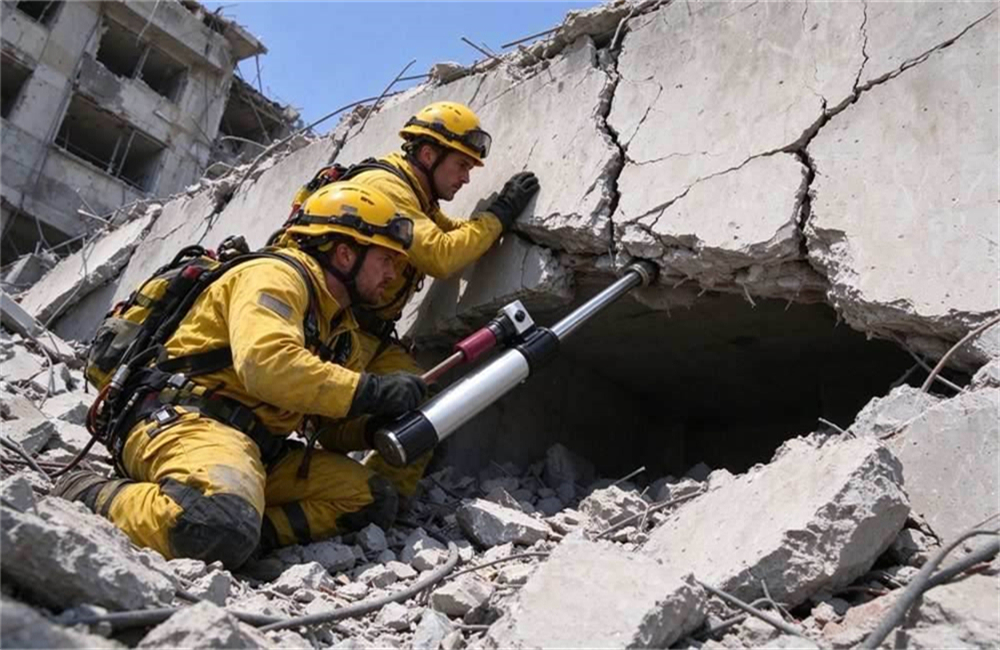
A hydraulic rescue ram lifts, pushes and stabilises. Rams work in vehicle extrication, structural collapse and confined space rescue. Standard two-stage ram deliver lifting force above 100 kN with a working range from 450 mm to 750 mm.
Rams are the stabilisation backbone of a hydraulic rescue tools kit. After cutting and spreading, teams use ram to lift a dashboard, raise a concrete slab or hold a load steady. Twin-hose ram run on the same power unit as cutters and spreaders.
Two-stage ram extend in two steps. The first stage moves fast for quick contact. The second stage delivers maximum force for the heavy lift. Stroke length and lifting force are the two numbers to verify in any tender.
Emergency response teams rely on this matrix for procurement. The GYCD-120/450-750 ram lifts 120 kN over a 450 to 750 mm working range. That stroke covers the gap between a dashboard and a seat base in most passenger vehicles. Verify stroke length and force against the lift tasks in your response plan.
Rams stabilise heavy loads with chains and attachments. Two-stage stroke extends fast first, then delivers maximum force. Extension pieces add working radius.
Lifting force and stroke are the core numbers. Vehicle extrication usually runs a two-stage ram. Collapse rescue picks longer-stroke models.
Stabilisation struts work with ram. Struts hold voids open while the ram lifts. Together they protect the void above a trapped person during collapse rescue.
The full ram line, including two-stage and heavy duty models, is on the hydraulic rescue ram page.
A hydraulic power unit drives every tool in the kit. It pumps hydraulic fluid to the tool at working pressure. Rescue power units run on petrol engines, diesel engines, battery packs or mains electric supply.
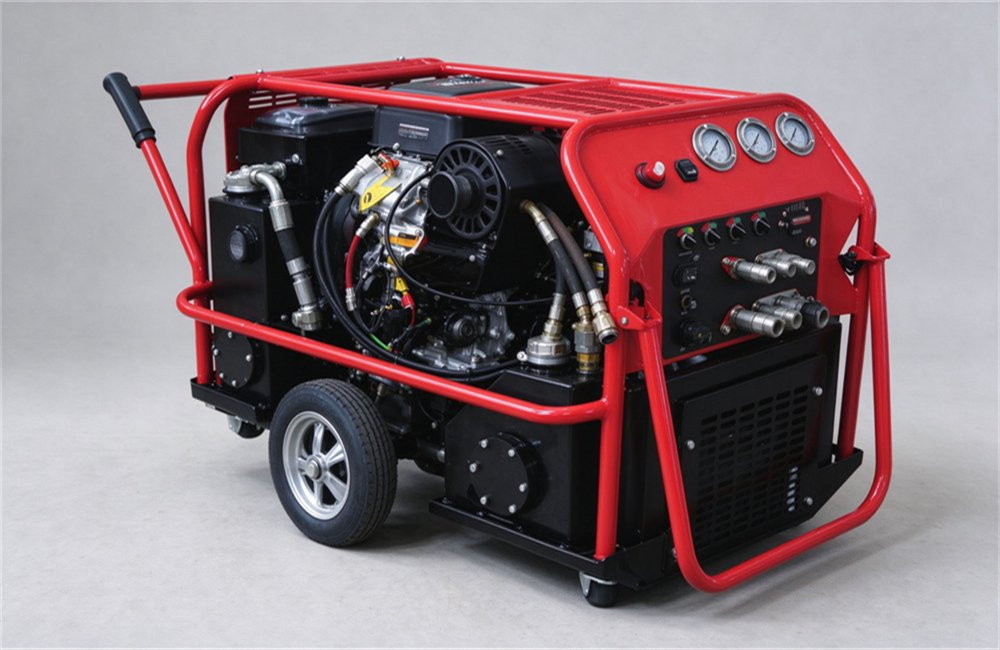
Mobile power units reach the rescue scene first. A compact petrol unit fits the appliance bay. Battery units run clean and quiet indoors. Mains electric units drive continuous operation on site. The pump choice decides runtime, noise and emissions for the whole team.
Flow rate and working pressure set hydraulic rescue tools system performance. A 63 MPa rated pump matches standard rescue cutters and spreaders. Higher flow shortens tool cycle time. Lower noise suits hospitals, tunnels and night operations.
A typical mobile power unit, such as the BJQ-63/0.4S twin-pump station, delivers 63 MPa rated pressure and drives cutters, spreaders and ram at full speed. One station powers the whole kit, so the pump specification sets the performance ceiling for the system.
Power units grade by flow and pressure. Higher flow shortens cycle time. Higher pressure matches heavy tools. Most rescue sets run at 63 MPa rated pressure.
Noise and emissions change the working pattern. Petrol units suit outdoor sites. Battery units suit indoor and hospital zones. Mains units suit fixed stations.
Twin-output stations drive two tools at once. One operator runs the cutter while the other spreads. Dual-output pumps shorten the extrication timeline for vehicle incidents.
Power unit options and matching logic sit on the hydraulic power unit page and the battery vs engine driven hydraulic pump comparison.
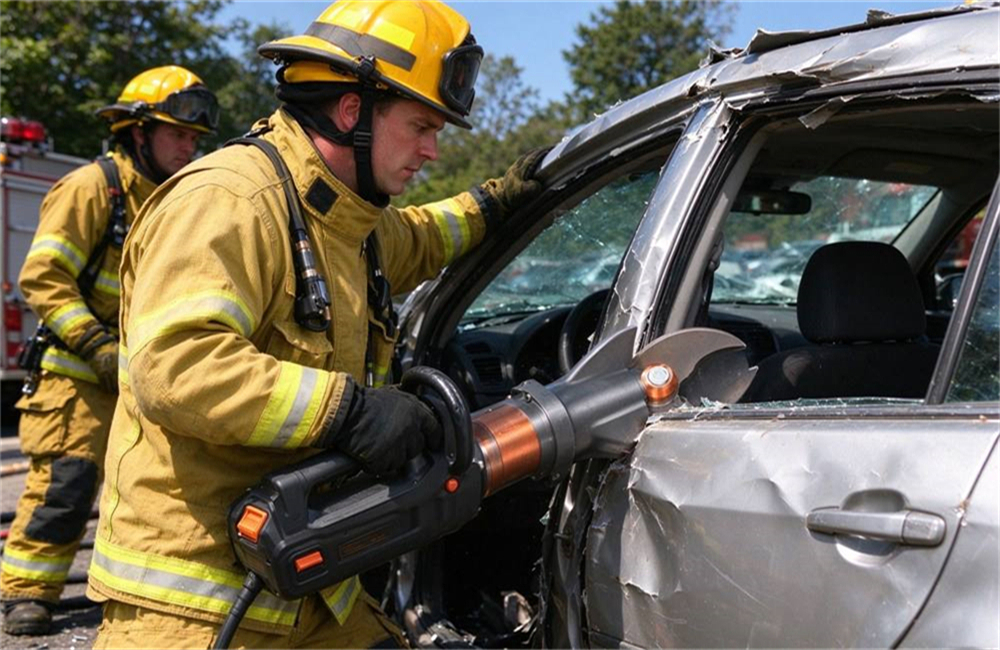
Battery hydraulic rescue tools run on interchangeable packs. Each pack delivers 45 to 90 minutes under load. Spare packs stretch a shift to 3 or 4 hours. Chargers refill a pack in 40 to 60 minutes.
Charging infrastructure decides fleet readiness. Keep spare packs charged on the appliance. Track pack cycles and replace cells on schedule.
Electric lines complete the system. Battery hydraulic cutters, spreaders and combi tools run without a pump on site. They suit confined spaces and quiet zones. See the electric hydraulic rescue tools range.
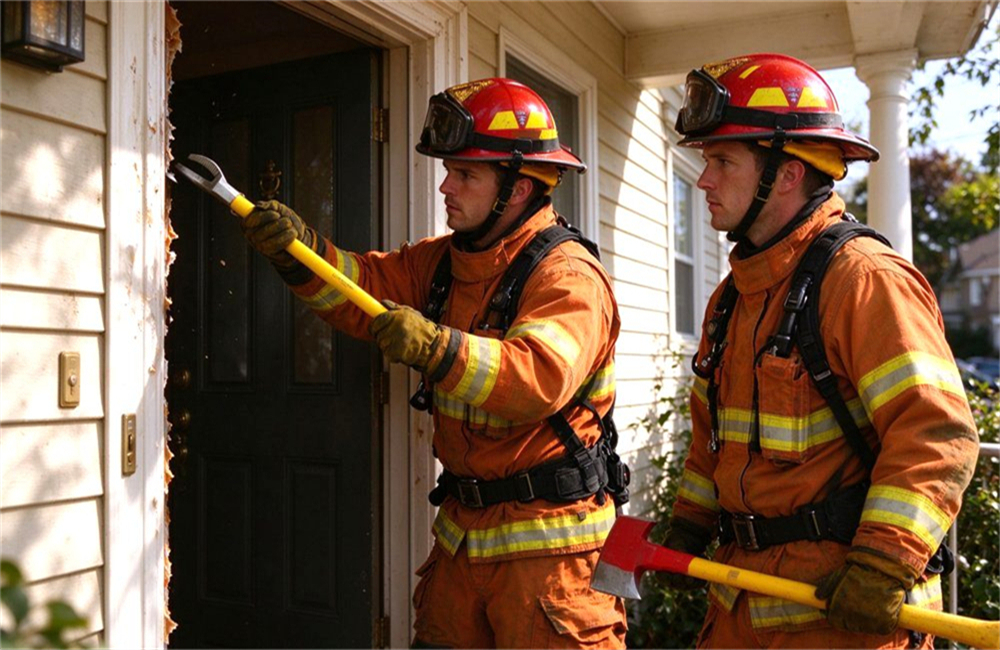
Manual forcible entry tools complement hydraulics for quick entry and backup. Axes, pry bars and halligan tools break glass and force locks in seconds. See the forcible entry tools page.
Manual tools form the backup layer of the system. Break glass, force locks and open quick access routes. The team keeps breaking capacity even if hydraulics fail.
Halligan bars need practice. A trained pair of operators forces most residential doors in seconds. Add a short training block on manual entry to every crew programme.
This page groups hydraulic rescue tools by scenario, from vehicle extrication to earthquake collapse, so buyers match the right tool to the call type.
The same hydraulic rescue tools change their job across rescue scenarios. A cutter that severs a car pillar also cuts steel in a collapsed building. The scenario pages show how teams build the right kit for each incident type.
Road crashes are the most common fire rescue tools scene. Cutters sever pillars and hinges. Spreaders force doors. Combi tools switch between both. Ram lifts the dashboard off a trapped driver. One matched kit completes most extrications.
Extrication sequence follows a fixed rhythm. Stabilise the vehicle, establish access, then cut and spread around the patient. The team swaps hydraulic rescue tools as the job moves from pillar to door to roof. A modular hydraulic rescue tool set supports every step.
For hydraulic rescue tools procurement, plan one complete set per response vehicle. A cutter, a spreader, one power unit and a ram cover almost every road incident. Buyers add a second power unit when call volume justifies redundancy on the appliance.
Standard vehicle extrication kit: one power unit, one cutter, one spreader and a two-stage ram. Accessories include chains, extension arms and spare blades.
Stabilise before cutting. Chock the tyres and fix the vehicle. Work the A-pillars and door hinges first, then spread the dashboard.
Patient protection runs alongside tool work. A second rescuer shields the casualty from glass and blade edges. The tool team and the patient team move in sync.
Side-resting vehicles add a second challenge. Teams lift or rotate the car before cutting. Spreader chains and ram stabilise the body during the move.
The vehicle extrication tools page maps the full tool sequence, step by step, from arrival to patient release.
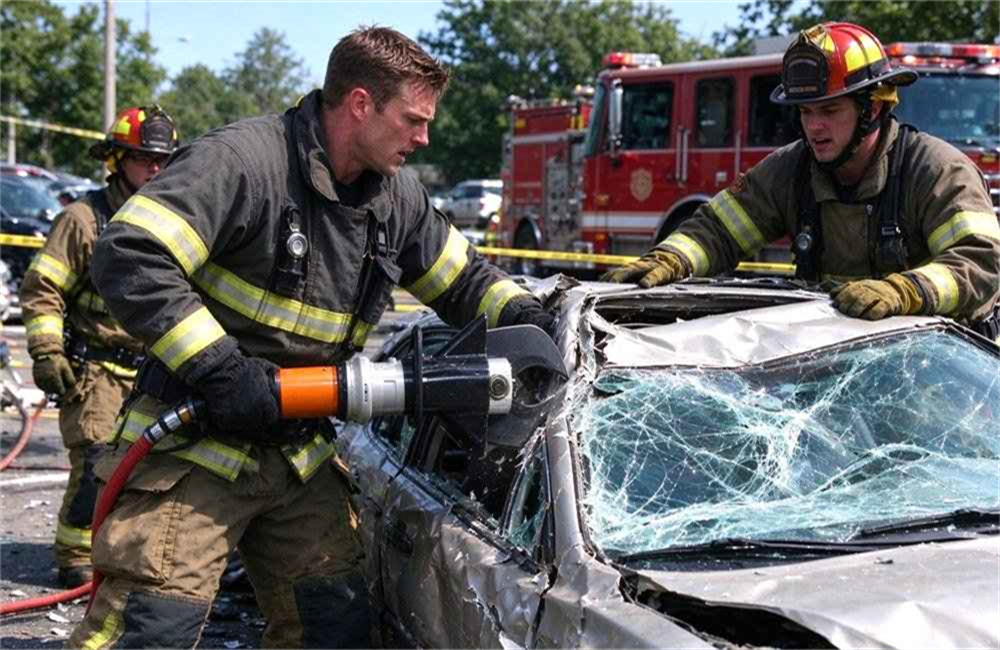
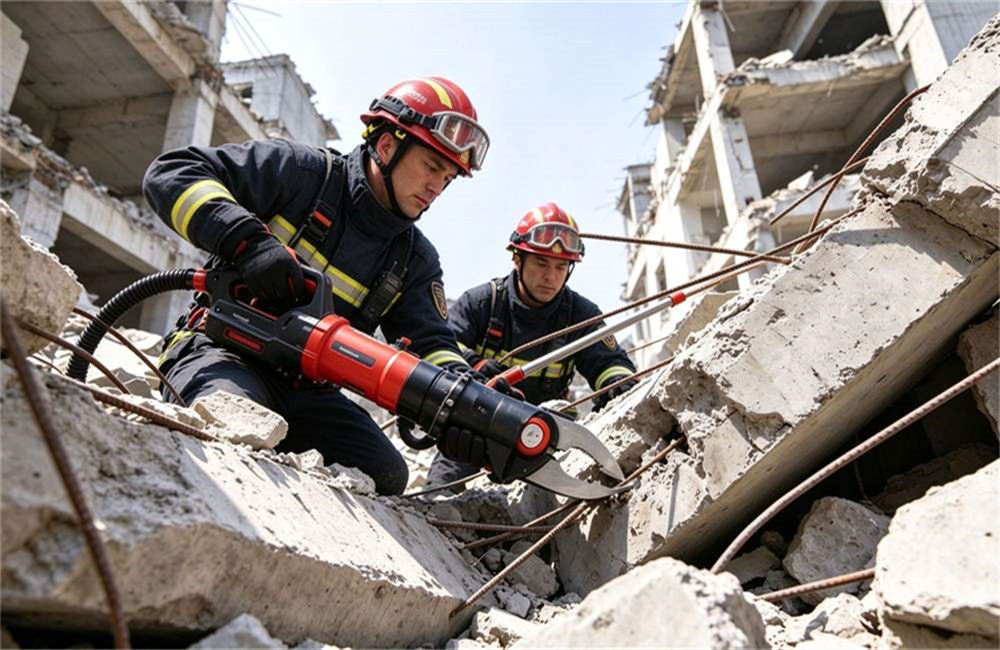
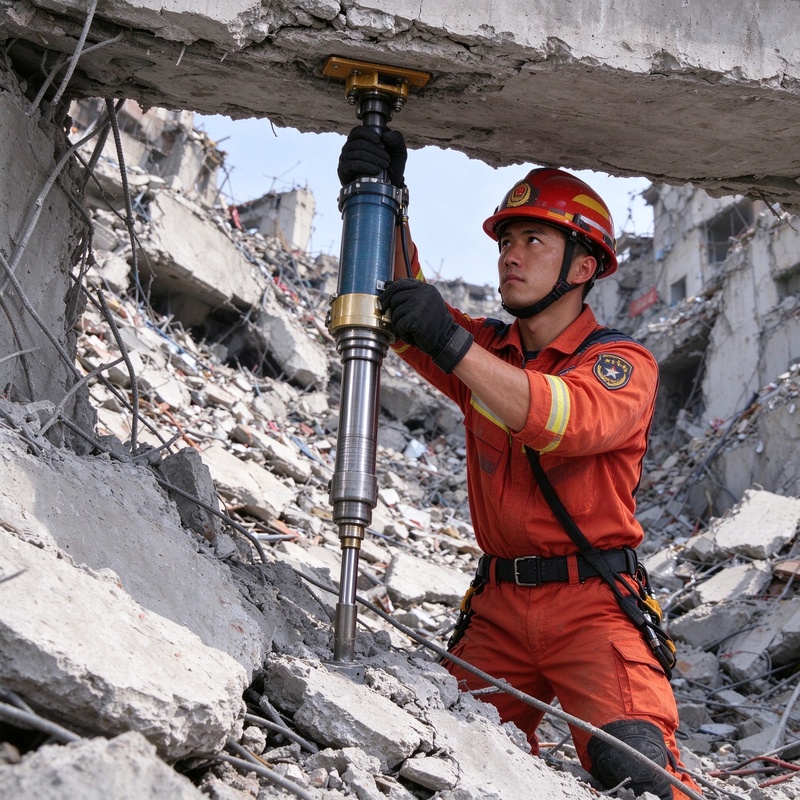
Collapse rescue needs hydraulic rescue tools cutting power for steel and rebar, plus ram for lifting slabs. Debris is heavy, space is tight and time is critical. Heavy duty cutters and rescue ram form the core of a USAR team tool set.
Urban search and rescue teams run two hydraulic lines in parallel. One line clears debris for access. The second line stabilises voids above the victim. Fuel and runtime planning matter, because collapse sites are often hours long.
USAR specification sheets should list search and rescue tools with extended hose lengths and high-flow pumps. Long reaches let teams stage the power unit safely while tools work inside the void. Confirm hose lengths during sample testing.
Collapse kits centre on heavy duty cutters and long-stroke ram. Debris depth decides hose length and pump staging. High-flow pumps keep multiple tools running.
Collapse sites carry dust and fragments. Clean tools after every task. Check filters and oil levels through long operations.
Collapse teams coordinate with structural engineers. Engineers assess the void before tools enter. Rescue tools then work inside a stabilised envelope.
The rescue tools for earthquake page details the collapse toolkit and debris clearance workflow.
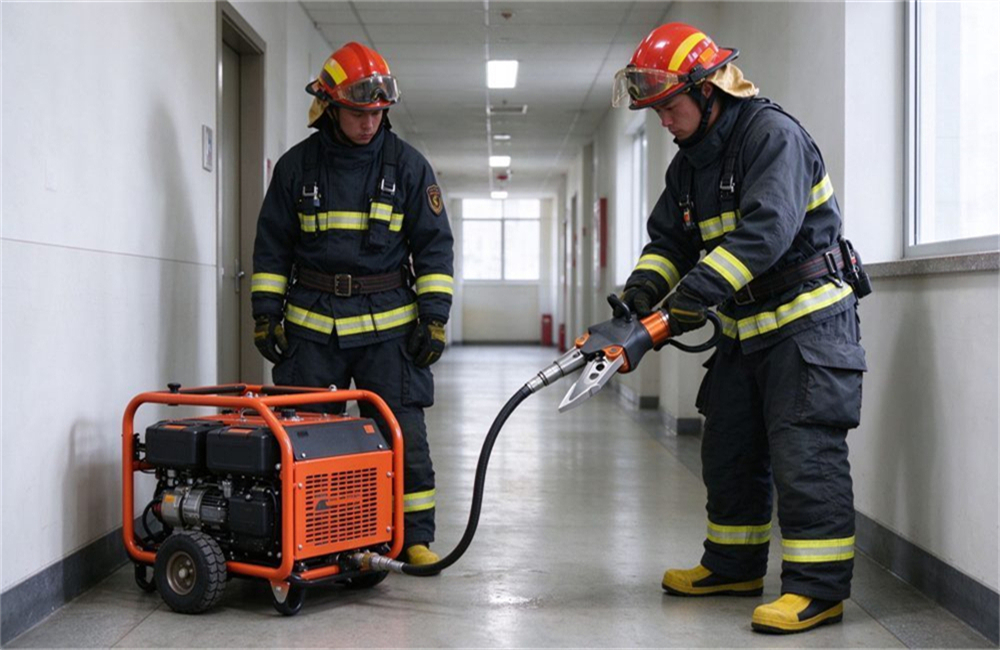
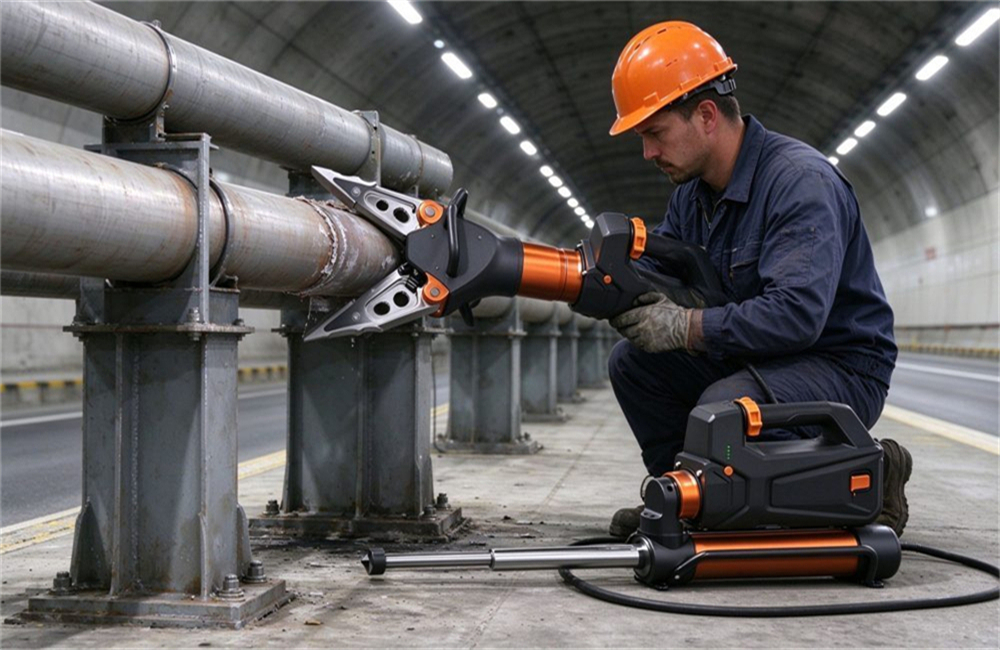
Confined spaces limit hydraulic rescue tools size and exhaust. Battery powered tools and compact combi units fit through narrow openings. No engine fumes inside tanks, tunnels or ductwork. Quiet electric tools keep communication clear.
Entry restrictions change the tool list. A compact battery combi tool handles most confined cutting jobs. A lightweight spreader covers gap work. The rest of the kit stages outside, where the power unit and backup tools stay ready.
Gas monitoring and ventilation are the first two checks in any confined entry. Tools follow once air quality is verified. A compact battery combi unit then handles cutting and spreading inside the opening.
Entry width decides tool choice. Battery combi tools pass through openings around 40 cm. Lightweight spreaders work inside ducts and tanks.
Indoor work bans combustion engines. Battery and mains tools keep the air clean. Communication and lighting are standard in confined entry.
Hand signals and radio codes replace voice inside confined spaces. Crews agree the signal set before entry. Communication checks are part of the pre-entry checklist.
The confined space rescue tools page covers compact and battery tool selection for tight locations.
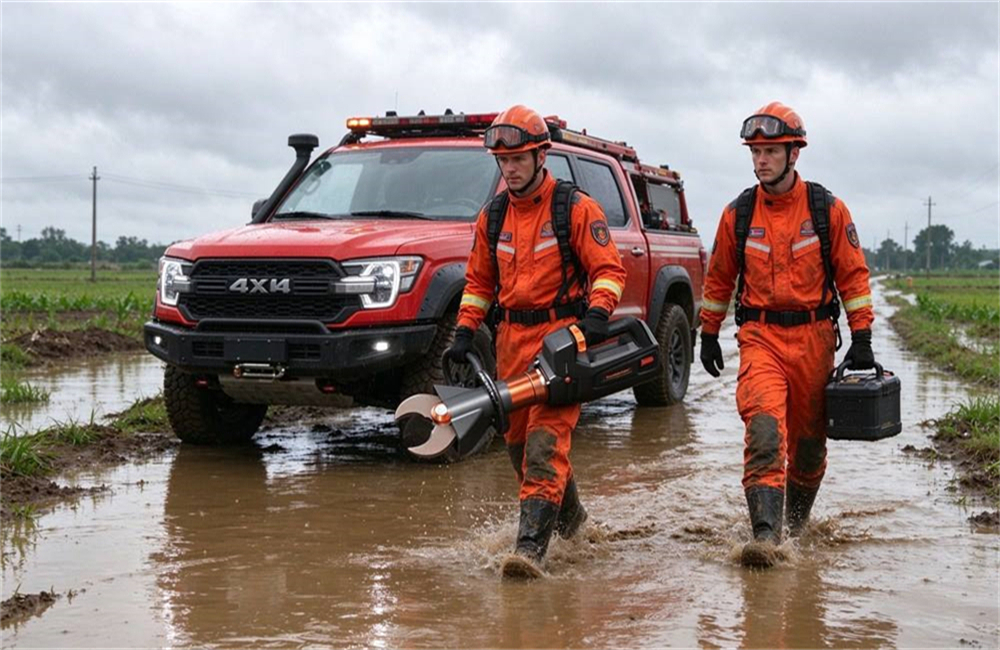
Flood work adds water and debris to every hydraulic rescue tools task. Power units with high flow keep tools running through long dewatering shifts. Diesel and petrol pumps handle continuous operation. Electric units cover pump and lighting duties on site.
Water rescue demands corrosion-resistant components and sealed electrical systems. Batteries stay high and dry. Tools get rinsed after every deployment. Teams rotate power units so one set services while the other operates.
Whole teams specify corrosion-resistant hydraulic rescue tools for flood regions. Sealed couplings, stainless fasteners and protective boots keep the set serviceable after repeated water exposure.
Flood kits centre on water-resistant components and high-flow pumps. Rinse tools after water contact. Keep battery packs high and dry.
Flood shifts run on rotation. One pump services while the next operates. Spare hoses and couplers ride with the crew.
The flood rescue tools page explains pump types, dewatering gear and night lighting for water incidents.
Night floods need working lights around the pump and hose line. Floodlights mark the work zone and keep operators clear of cables and debris.
Flood response runs on prepared kits. Keep the water rescue set loaded and sealed between calls. Pre-packed kits cut deployment time when water rises.
Hydraulic rescue tools connect to the power unit through one or two hoses. The choice changes speed, weight and power delivery. Teams should decide the hose system before comparing hydraulic rescue tools suppliers. Single hose vs twin hose systems changes weight, flow and tool interchangeability, so teams lock this choice early.
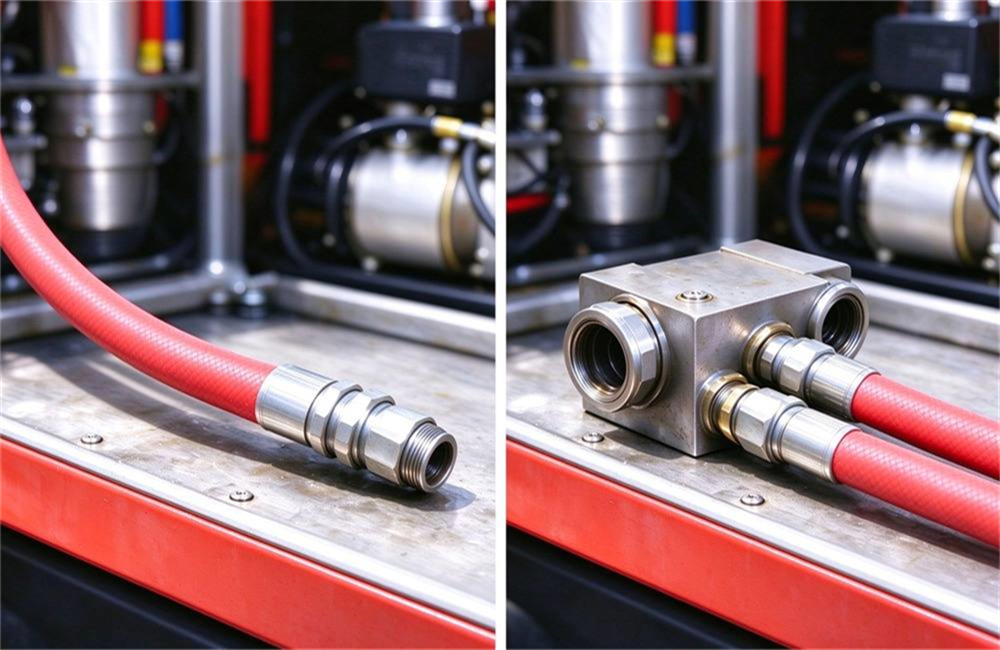
Single-hose systems carry oil to the tool through one hose and return it inside the tool. They connect with one action, weigh less and suit battery and electric units. Twin-hose systems use two separate hoses, one pressure, one return. They handle high flow and large tools with full return-line capacity.
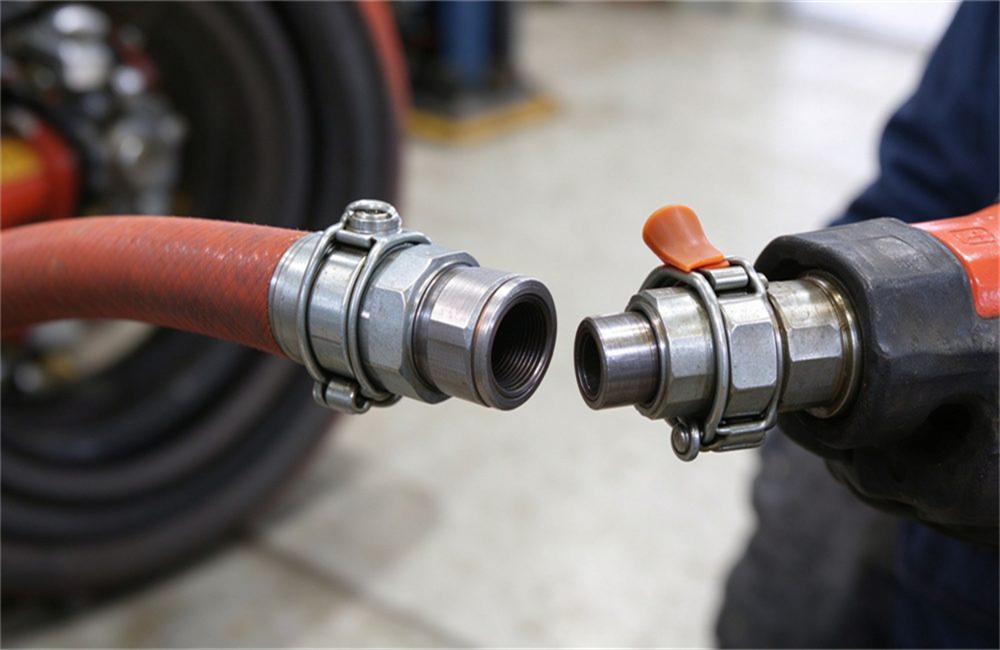
Hose compatibility decides how many hydraulic rescue tools sets a brigade can interchange. If the couplers and pressure ratings match, one hose reel drives tools from different purchases. Standard hydraulic rescue tools share the common flat-face coupling pattern, which simplifies mixed fleets.
Quick couplers make the difference for hydraulic rescue tools in field use. Flat-face couplings connect dry, so no oil spills during hot-swaps. Rescue teams value this when changing from cutter to spreader beside a vehicle.
Hose length sets the working radius. A 10 metre single hose suits compact scenes. Longer reach calls for twin-hose systems that limit pressure loss.
Quick couplers grade by flow. Flat-face couplings connect dry with no oil spill during hot-swaps. Dust caps protect coupling ports between uses.
Hose life depends on bending and abrasion. Check outer cover cracks and loose couplings regularly. The hydraulic rescue tool maintenance page covers service details.
Match couplers to flow class. Small couplings restrict high-flow tools. Standard rescue kits size the coupler to the pump output. Confirm both numbers in the spec sheet.
Clean coupler faces after every deployment. Sand and grit damage the sealing surface. Wipe the face, check the O-ring and store with dust caps fitted.
Hose reels keep the kit organised. Reels protect the outer cover and shorten setup time. Carry one spare reel per rescue vehicle in the tool bay.
Pressure testing verifies the whole hydraulic rescue tools system once a year. Test the pump at rated pressure and check every coupler. Annual tests catch hidden wear before a live incident.
Force, working pressure, opening and weight decide which hydraulic rescue tools fit a brigade. Buyers should treat key specifications to compare as a fixed checklist and compare these numbers across brands before purchase. The full parameter lists live on each product page.
Working pressure defines the hydraulic rescue tools system. Standard rescue sets run at 63 MPa rated pressure. Higher pressure means more force per kilogram of tool. Hose length and twin-hose capacity change how far a team can work from the pump.
Weight decides how crews carry tools to the scene. Compact cutters weigh under 20 kg complete. Power units range from portable battery packs to wheeled 200 kg stations. Match weight to the team, not to the catalogue.
Cycle speed matters in real operations. A faster tool means fewer seconds between cuts. Flow rate, valve design and blade geometry all shape cycle time. Ask for the number in seconds for a full open-close cycle.
Maintenance support decides total cost of ownership. Blades, seals and hoses wear first. Check spare part availability, blade sharpening service and warranty terms before signing a framework contract.
Force grades are defined by tool type. Cutting force measures blade closure power. Spreading force measures arm output. Lifting force measures ram capacity. Compare all three sets of numbers model by model.
NFPA 1936 defines performance classes for powered hydraulic rescue tools. Certified tools pass standard tests and ship with reports. US buyers use this standard as the acceptance baseline.
Flow decides cycle speed. Higher flow closes blades faster. Seconds per cycle are the number that matters on scene.
Weight affects how crews carry and deploy hydraulic rescue tools. Compact cutters weigh around 20 kg. Wheeled power units grade by output. Crew fitness decides the acceptable weight.
Working pressure unifies the system. 63 MPa and 70 MPa classes do not mix. Hoses, couplers and tools must match the pressure rating.
Read a spec sheet in order. Force first, then working pressure, then opening or stroke, then weight. Runtime and fuel or battery capacity follow for the power unit.
Runtime planning covers long incidents. Battery runtime appears in minutes per pack. Fuel capacity appears in litres. Either number decides how many shifts the set covers.
Total cost of ownership beats purchase price. Compare blade life, seal cost and service intervals. A cheaper tool with short blade life costs more over five years.
Keep a comparison sheet with all shortlisted models. Force, pressure, weight, runtime and price in one table. The sheet becomes the basis for the tender decision.
Hose diameter pairs with flow. Standard rescue sets run 8 to 10 mm hose for single-hose tools. Confirm diameter with the pump output so pressure loss stays low.
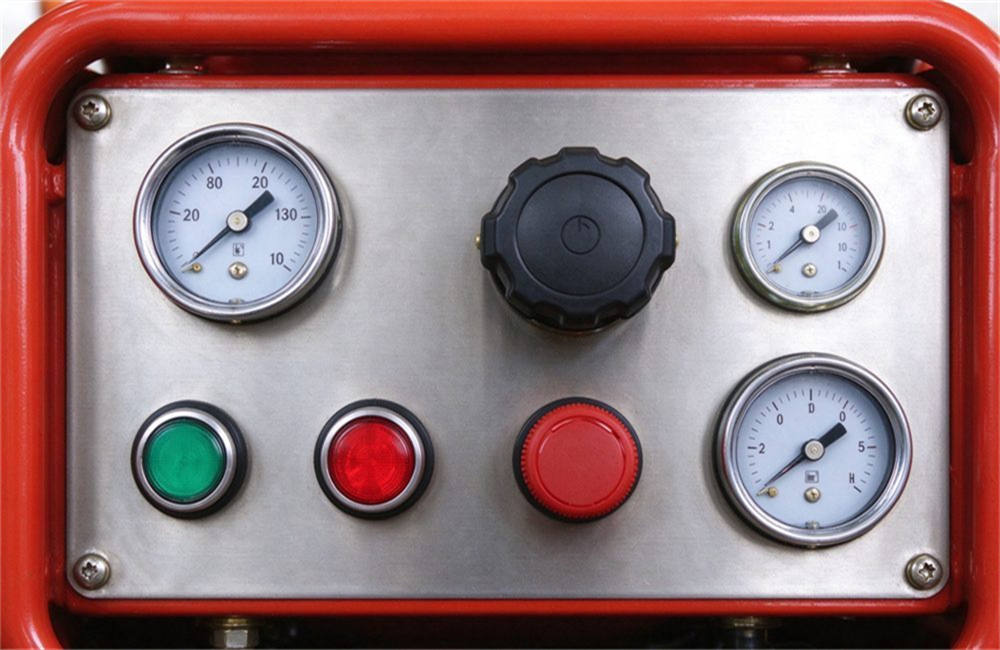
Wholesale rescue tools buyers evaluate suppliers on data, not claims, when they buy hydraulic rescue tools for sale at scale. A reliable partner publishes full specifications, shares test documentation and answers service questions in writing. When choosing a reliable supplier, teams should compare hose compatibility, spare parts availability and export documents before they shortlist hydraulic rescue tools for sale.
Inspect the manufacturing side before buying hydraulic rescue tools. A supplier that controls assembly and pressure testing delivers consistent quality. Ask how each unit is tested before dispatch. Standard wholesale rescue tools undergo pressure teststs and seal checks on the production line.
Customisation matters for government and institutional buyers of hydraulic rescue tools. OEM options include tool set configuration, hose lengths, logo printing and export packaging. Confirm minimum order terms and lead times in the contract. Nothing replaces a written quotation.
Start hydraulic rescue tools procurement with a sample order. Test the full set under real conditions, check force and runtime, then scale. The supplier selection checklist above works for first orders and framework contracts alike.
Traceability protects the hydraulic rescue tools buyer. Confirm batch numbers, test records and shipping documentation for every consignment. A supplier who shares records freely builds confidence for repeat orders.
Hydraulic rescue tools tender process starts with a capability list. State your scenarios, tool counts and certification requirements. Suppliers quote line by line, and you verify each parameter.
Sample testing of hydraulic rescue tools covers real operations. Test cutting, spreading and lifting in a standard extrication scene. Record cycle time and runtime. Scale the order only when test data matches the catalogue.
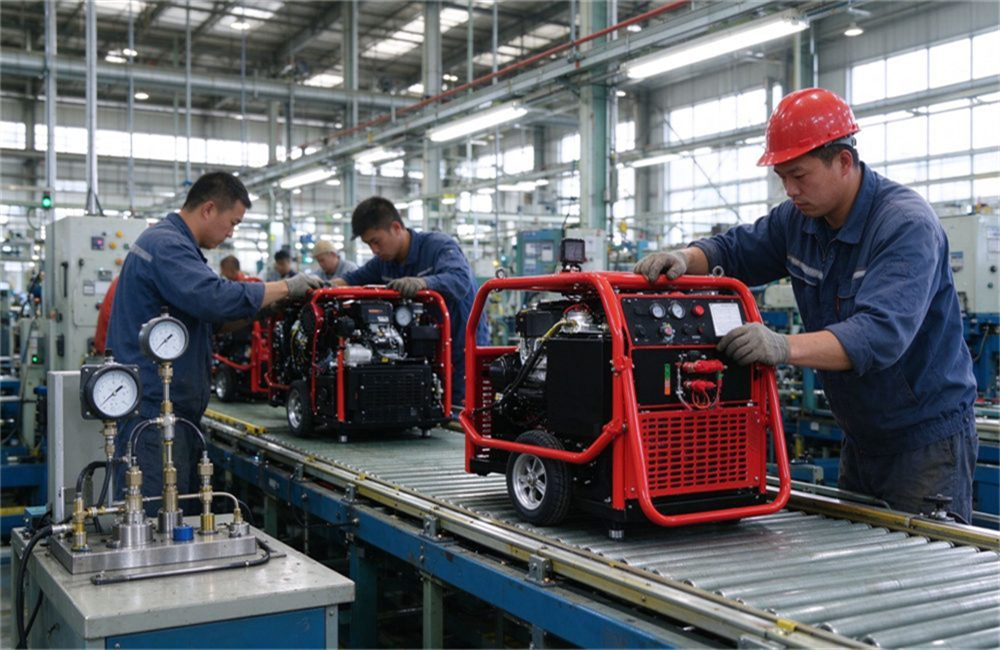
OEM customisation is confirmed in the contract. Tool combinations, hose lengths, logo printing and export packaging. Written quotes state minimum order quantity and lead time.
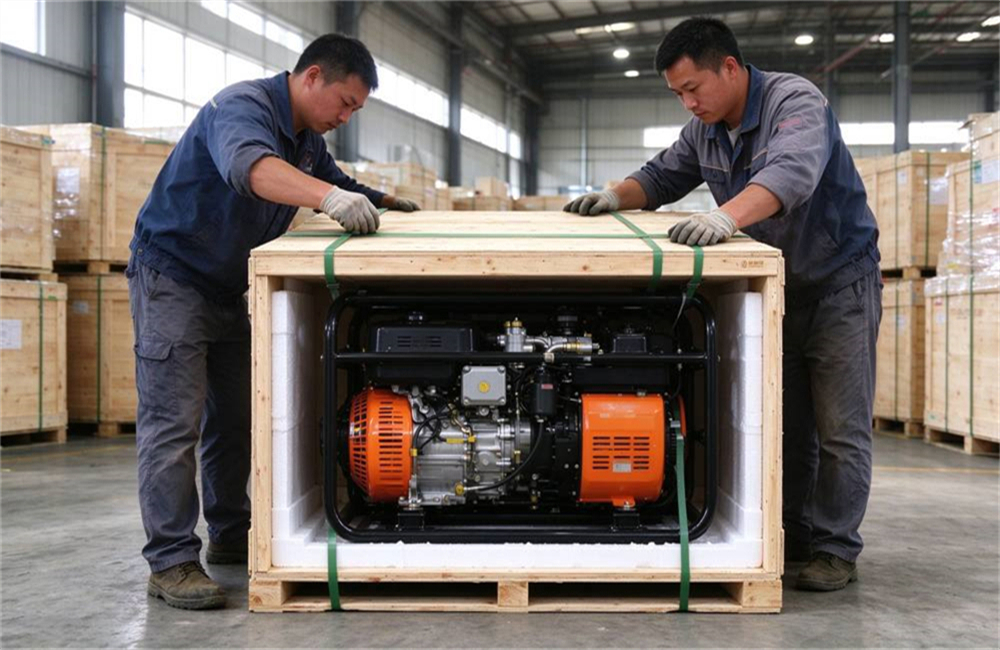
Logistics and packing protect the goods in transit. Wooden or steel crates secure heavy tools. Shipping terms spell out FOB, CIF and DDP differences.
After-sales commitments go in the contract. Spare parts supply, blade sharpening and warranty terms. Reliable suppliers back structures for at least one year.
Payment terms follow export practice. Letters of credit cover government orders. Telegraphic transfer works for repeat buyers. Confirm terms before production starts.
Annual framework agreements stabilise pricing. Set a fixed price list for the year, with volume-based discounts. Renew after reviewing quality and lead time performance.
Acceptance tests happen at delivery. Unpack, assemble and run each tool. Compare serial numbers with the packing list and test records.
Log the acceptance results in the equipment file. Photos, serials and test dates support warranty claims later. The file travels with the tool history.
Video audits supplement site visits. Suppliers show the production line, pressure testing and packing on video calls. Remote audits work well for first checks.
Reference orders matter. Ask for contact details of two similar buyers. Call one and ask about lead time, quality and after-sales response.
Global certifications and compliance documents travel with every export shipment, including CE declarations, NFPA 1936 references and factory test reports. Buyers comparing hydraulic rescue tools for sale should ask the supplier for scanned copies before any order is placed, because tools for sale without documentation cannot enter most government tender processes.
Certification compliance decides whether a hydraulic rescue tools order clears customs and acceptance. European buyers require CE declarations and technical files. US fire markets benchmark against NFPA 1936. Middle East and Asia Pacific buyers often ask for equivalent test reports.
CE certification covers machinery safety and pressure equipment. Suppliers provide the declaration of conformity, test reports and user instructions. Documents ship with the goods, which keeps customs clearance smooth.
NFPA 1936 is the performance baseline for powered fire rescue tools. Tests cover force output, structural strength and durability. North American procurement treats this standard as the acceptance line.
ISO 9001 certification reflects manufacturing quality management. The factory system certificate proves controlled processes. Buyers can verify it during site audits.
|
Certification / Standard |
Scope |
What Buyers Need |
|
CE (EU). |
Machinery safety, pressure equipment. |
Declaration of Conformity + technical file + test report. |
|
NFPA 1936 (US). |
Powered rescue tool performance. |
Force / pressure / structural test report. |
|
EN 13204 (EU). |
Double-acting hydraulic rescue tools. |
Type examination certificate. |
|
ISO 9001. |
Manufacturing quality management. |
Factory system certificate. |
Good training safety and maintenance habits keep every set of hydraulic rescue tools ready for years, and extend the service life of tools for sale.
Operator training is part of the hydraulic rescue tools purchase. An untrained crew cannot use the tools to full performance. NFPA training frameworks cover operation and safety. Suppliers can provide video training material.
Personal protective equipment is the safety line. Fire helmet, protective gloves, eye protection and fire boots. Add hearing protection in noisy environments.
Daily hydraulic rescue tools checks happen before every deployment. Inspect oil level, filter, hoses and couplings item by item. Stop use immediately on any leak.
Maintenance cycles follow work intensity. Blade sharpening, seal replacement and oil changes all run on standard intervals. The full service schedule lives on the hydraulic rescue tool maintenance page.
Regular drills keep crews familiar with the tools. Rotate vehicle extrication, collapse and confined space training. New operators work up under supervision.
Operator qualification follows a short path. Classroom theory, supervised practice, then a live scenario test. Document the qualification in the training log.
Drill frequency follows call volume. Busy stations run monthly scenarios. Low-volume teams run quarterly refreshers with a full kit inspection.
Stock spare parts for the kit size. Blades, seals, O-rings and one spare hose reel cover most field failures. Local suppliers shorten the replacement cycle.
Record every maintenance action in the service log. Dates, parts and operator initials make the history auditable. Audits trust a complete log.
Team Size.
Recommended Setup.
Notes.
Small team / single rescue vehicle.
1 power unit + 1 cutter + 1 spreader.
Covers most vehicle extrication calls.
Medium team / two rescue vehicles.
2 pumps + cutter, spreader, combi, ram.
Two lines working in parallel.
Large team / urban search and rescue.
Multiple pumps + full range + battery backup.
Multiple scenarios at the same time.
|
Question. |
Scenario. |
Recommended Set. |
|
Q1. |
Vehicle crashes are the main job. |
hydraulic cutter + hydraulic spreader + hydraulic rescue ram. |
|
Q2. |
Collapse and debris rescue are common. |
rescue tools for earthquake toolkit. |
|
Q3. |
Team works indoors or in confined spaces. |
electric hydraulic rescue tools range + confined space rescue tools guide. |
|
Q4. |
Long flood or dewatering shifts. |
flood rescue tools page + battery vs engine driven hydraulic pump comparison. |
|
Q5. |
Budget or training constraints. |
hydraulic vs manual rescue tools article. |
|
Q6. |
Heavy vehicles or industrial structures. |
hydraulic power unit page + hydraulic cutter range. |
Tool Type.
Core Function.
Typical Force.
Best For.
Details.
Hydraulic Cutter.
Severs pillars, hinges, rebar.
Above 400 kN cutting.
Vehicle extrication, structural collapse.
Cutter range page.
Hydraulic Spreader.
Pries doors, widens gaps.
40-60 kN spreading, 600 mm+.
Doors, panels, debris.
Spreader range page.
Combi Tool.
Cut and spread in one body.
Cut and spread in one unit.
Roadside speed, confined space.
Combi tool page.
Rescue Ram.
Lift, push, stabilise.
Above 100 kN lifting.
Dashboards, slabs, stabilisation.
Ram range page.
Power Unit.
Drives all tools.
63 MPa working pressure.
Site power for every tool.
Power unit page.
Feature.
Single-Hose System.
Twin-Hose System.
Hose count.
One hose per tool.
Two hoses per tool.
Connection.
One action, quick coupler.
Two couplings, still quick.
Weight.
Lighter, easier carry.
Heavier, more storage.
Power source match.
Battery and electric units.
Petrol and diesel units.
Best for.
Confined space, stair work.
Heavy extrication, long jobs.
Check.
Why It Matters.
What to Ask.
Force specs.
Real numbers decide rescue performance.
Full force, pressure and weight data per model.
Certification.
Documents back the claims.
CE or equivalent test reports, request copies.
OEM options.
Bulk buyers need customisation.
Logo, colour, tool set and packaging options.
Lead time.
Delivery drives procurement.
Production time and shipping terms per order.
After-sales parts.
Tools must stay serviceable.
Spare blade, hose and seal availability.
Before teams order hydraulic rescue tools for sale, they should review global certifications and compliance records, confirm choosing a reliable supplier, and plan training safety and maintenance schedules for the new kit. This checklist covers every major choice buyers face when they compare hydraulic rescue tools for sale across suppliers.
Quick Answers
What is a hydraulic rescue tool set? A complete set covers cutters, spreaders, combi tools, ram and a power unit. One pump drives every tool, which keeps training short and spare parts simple.
Which tool does a rescue team buy first? Start with a cutter, a spreader and a power unit. This pair handles most vehicle extrications, then add ram for lifting and electric tools for indoor work.
Can buyers purchase wholesale rescue tools with OEM customisation? Yes. Bulk orders support OEM options: tool set configuration, hose lengths, logo, colours and export packaging.
What makes a rescue tool page trustworthy? Real force numbers, certification documents, and links to standards such as NFPA 1936. This page follows that pattern across the full hydraulic rescue tools range.
Use this five-step decision tree to select the right hydraulic rescue tools for your team. It turns scenario, victim, space, power and budget into a clear equipment shortlist for fire rescue tools teams and search and rescue tools buyers.
Start with the call type your team runs most often. Common scenarios are vehicle accidents, building collapse, confined space, flood and routine extrication.
Vehicle teams lean on cutters and spreaders. Urban search and rescue teams add rams and a portable pump.
Identify the object to cut, spread or lift. Cut pillars with a cutter, spread jammed frames with a spreader, lift slabs with a ram.
For mixed jobs, a combi tool covers both cutting and spreading from one body.
Tight vehicle interiors need compact cordless tools. Open road crashes suit full-size cutters on hoses. Narrow rubble gaps favor short ram bodies.
Measure the access point before choosing tool length and jaw opening.
The BS-63 petrol pump runs outdoors for long shifts with no power grid. An electric pump stays quiet for indoor or confined space work.
If your team already owns a power unit, match the new tools to its flow and pressure rating.
EU buyers need CE marked hydraulic rescue tools for sale. China domestic supply follows 3C certification requirements.
Set the order volume first, then ask for a factory quotation that covers tools, pump and hoses together.
|
Rescue Scenario. |
Recommended Equipment. |
|
Car crush / sedan extrication. |
GYJQ cutter + GYKZ spreader + BS-63 petrol pump. |
|
Truck rollover / heavy vehicle. |
GYJK combi tool + GYCD ram + electric power unit. |
|
Concrete structural collapse. |
GYCD ram + GYKZ spreader + BS-63 petrol pump. |
|
Confined space entry. |
Cordless electric cutter + cordless spreader. |
|
Flooded vehicle rescue. |
Electric power unit + GYKZ spreader. |
|
High-rise or narrow space. |
Battery electric tools, zero exhaust. |
hoose the BS-63 petrol pump for long outdoor shifts and remote scenes. Choose the electric pump for quiet indoor work and confined space entry.
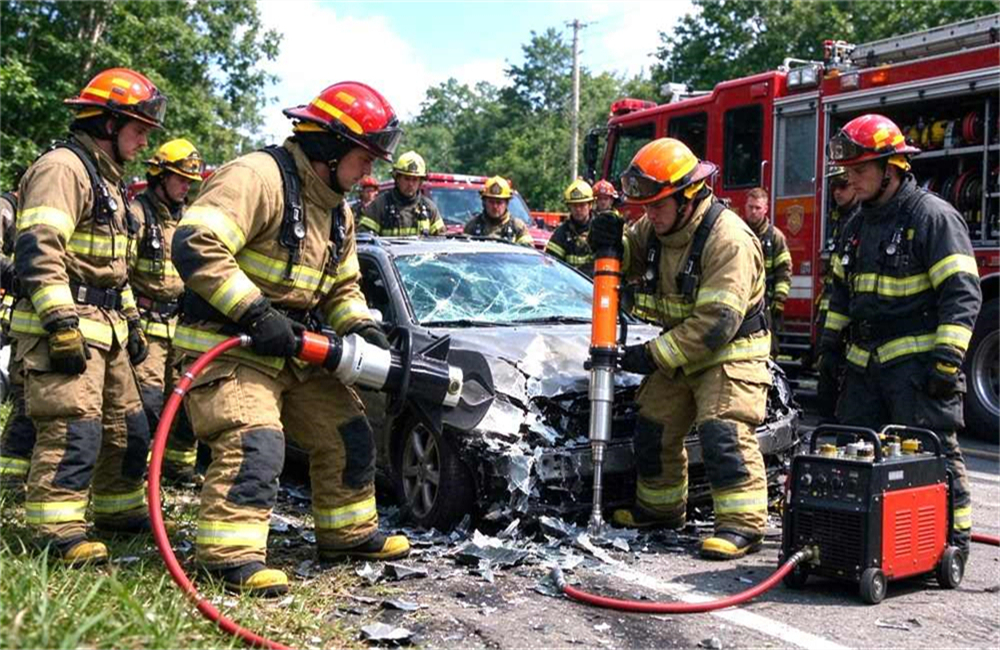
Hydraulic rescue tools are high-force devices powered by hydraulic fluid. The set covers cutters, spreaders, combi tools, ram and power units used to free trapped people from vehicles and collapsed structures.
Most brigades start with a cutter, a spreader and one power unit. This pair handles the majority of vehicle extrications. Add a ram for dashboard lifts and stabilisation, then expand with electric tools for indoor work.
Standard rescue cutters deliver cutting force above 400 kN. Spreaders deliver 40-60 kN of spreading force over 600 mm. Two-stage ram lift above 100 kN. Full model-by-model figures are on each product page.
Single-hose hydraulic rescue tools suit battery and electric units, with lighter weight and one-action connection. Twin-hose handles high flow and heavy tools on petrol and diesel pumps. Choose by power source and typical job type.
Yes. Bulk orders support OEM options: tool set configuration, hose lengths, logo printing, custom colours and export packaging. Confirm minimum order quantity and lead time in the written quotation.
Petrol and diesel pumps suit long outdoor shifts. Battery units suit confined, indoor and quiet zones. Mains electric units suit fixed station work. The battery vs engine driven hydraulic pump comparison details hydraulic rescue tools runtime, noise and cost.
Hydraulic tools deliver force and speed for extrication. Manual forcible entry tools break glass and force locks in seconds and serve as backup. Most teams carry both. The hydraulic vs manual rescue tools article compares them in depth.
Compare force specifications, certification documents, OEM capability, lead time and after-sales spare parts. Request a sample order and test the set under real conditions before scaling.
European buyers require the CE declaration and technical file. North America benchmarks against NFPA 1936. Asia Pacific and Middle East buyers often ask for equivalent test reports. The certification section above lists the full picture.
With proper care, structural parts last for decades. Blades, seals and hoses are replaced on service intervals. The full maintenance schedule is on the hydraulic rescue tool maintenance page.
Do we need training to use hydraulic rescue tools?
Yes. Operators should master connection, operation and safety procedures. NFPA training frameworks and supplier video material are both good references.
Do all five tool types share one hose and coupler system?
Yes. Standard rescue sets share the common flat-face quick coupler. One power unit drives the whole kit, and spare parts and hose reels stay interchangeable.
Do wholesale rescue tool sets include fire and search and rescue tools together?
Yes. Most wholesale rescue tools orders combine fire rescue tools with search and rescue tools. Rescue teams order one full kit for both fire and collapse response, and the supplier ships the complete set with matching power units.
Where do fire rescue tools wholesale orders ship from?
Fire rescue tools wholesale orders ship from our export warehouse after a full test. We pack cutters, spreaders and pumps in separate cases, so fire departments receive a clean kit that is ready for the next alarm.
How many search and rescue tools come in a wholesale rescue tools set?
A standard wholesale rescue tools set holds six tools: a cutter, a spreader, a combi tool, a ram, a power unit and hoses. Fire rescue tools and search and rescue tools share the same couplings, so one pump drives every tool.
What fire rescue tools do departments buy as wholesale rescue tools?
Departments most often buy fire rescue tools such as cutters, spreaders and rams as wholesale rescue tools. Search and rescue tools for collapse response are the second most common order, and both run on the same hydraulic power unit.
Can search and rescue tools and fire rescue tools share one power unit?
Yes. Search and rescue tools and fire rescue tools use the same coupling standard. One power unit drives both sets, which is why wholesale rescue tools kits are sold as one matched system rather than separate tools.
How do fire rescue tools and search and rescue tools fit one wholesale order?
Fire rescue tools and search and rescue tools fit one wholesale order because they share the same hydraulic couplings and pressure range. A single power unit drives both families, so rescue teams buy one matched wholesale rescue tools system instead of two separate sets.
The full hydraulic rescue tool range is ready for wholesale rescue tools supply. Start with a matched kit, test a sample order, then scale across your fleet. Every tool type on this page is available for OEM customisation, from blade colour to export packaging.
For fire rescue tools and search and rescue tools quotations, contact our sales team with your team profile and rescue scenario. We respond with model data, certification documents and shipping terms, so your procurement team can compare on facts.
YRF Textile Industrial Supplies - Hydraulic Rescue Tools for Fire, Rescue and Municipal Teams
Дружні посилання :
Авторське право © Custom Disaster - Relief Bedding: Tents, Sleeping Bags, Blankets Всі права захищені
професійна команда для обслуговування !