Категорії
Last Updated: October 10, 2026
A rescue call is never a standing assignment: crews kneel, crawl and lift for hours, so firefighter rescue clothing must flex, dry fast and stay visible. This guide covers what to check in rescue clothing for firefighters before you buy — from fabric and fit to certification.
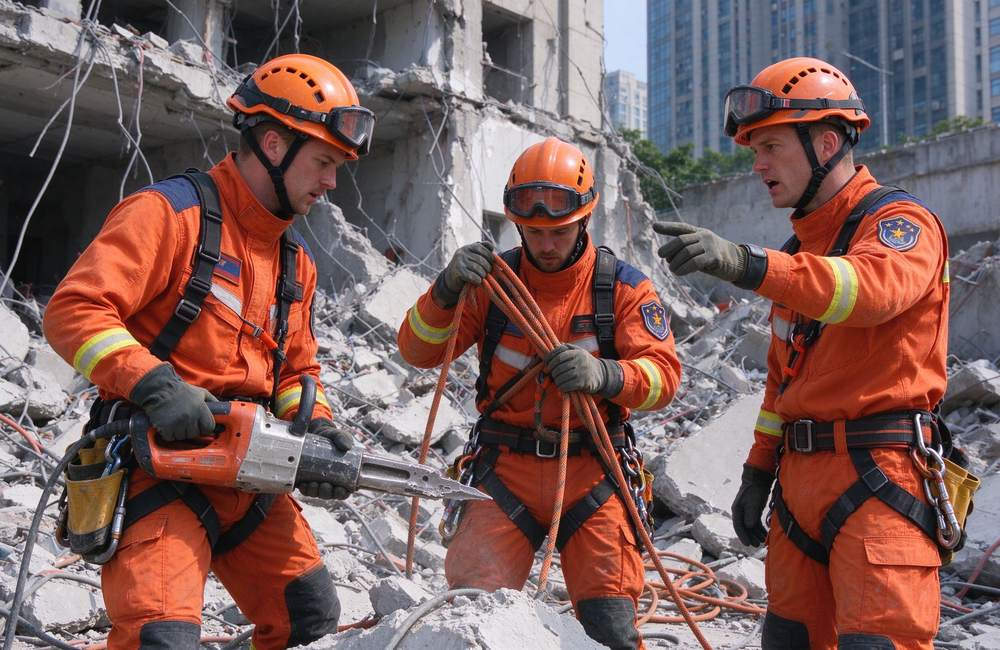
Rescue team working at extrication scene
Think about a vehicle extrication: the rescuer leans into the wreckage, balances on one knee, reaches deep into the footwell and holds that position while a partner works the hydraulic cutter. A stiff uniform turns every one of those moves into wasted energy. Rescue clothing mobility is not a comfort feature, it is an operational requirement. Look for a suit that lets a rescuer squat, kneel and reach without the fabric binding at the shoulders, knees or hips.
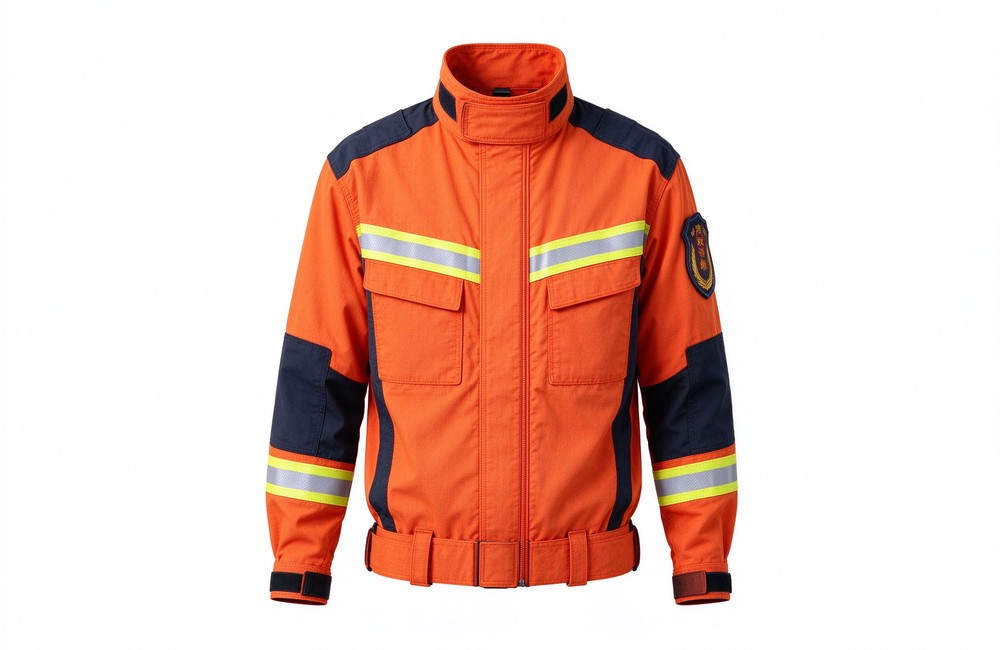
Summer rescue suit front view
Technical rescue work happens across very different scenes. One day it is a collapsed building, the next a trench cave-in, a confined-space entry or a multi-vehicle pile-up on the highway. Each scene places different demands on the rescue team uniform, but the common thread is the same: the rescuer must move, and move fast. That is why modern rescue suits are built lighter and more flexible than structural firefighting turnout gear.
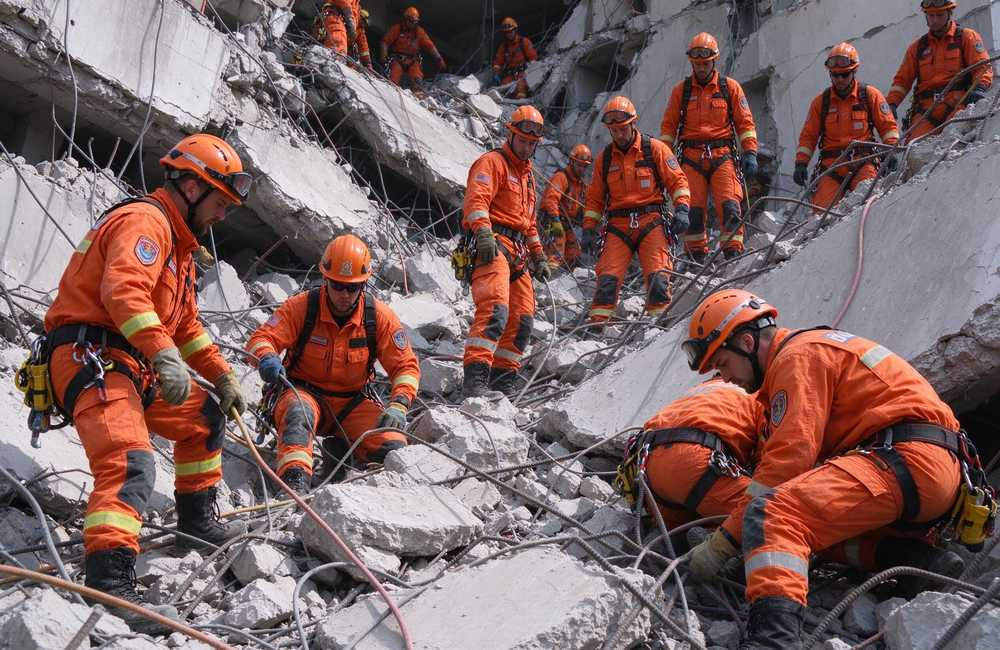
Collapse rescue search scene
Most quality rescue suits are built in layers. The outer face fabric provides flame resistance and abrasion resistance, the middle layer manages sweat and weather, and the inner layer sits against the skin. The quick dry rescue clothing advantage shows up on long operations: a rescuer who sweats through a lightweight layer dries faster and stays warmer in cold weather, which matters when a call runs for hours.
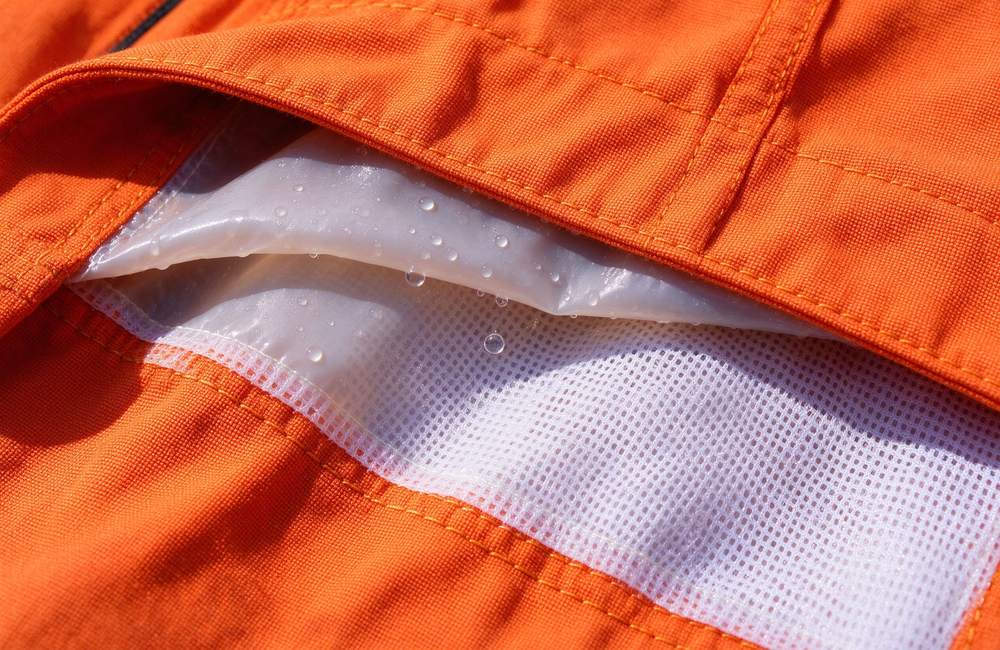
Three-layer rescue suit construction
Before comparing prices, check the standard. In China, firefighter rescue protective clothing is certified under XF 633-2006, which covers flame resistance, thermal stability, tear strength, water repellency and anti-static performance. If a supplier cannot document the standard on the garment label and certificate, the suit should not be considered. Buyers serving export markets should also confirm whether the local regulation references the Chinese standard or an international equivalent.
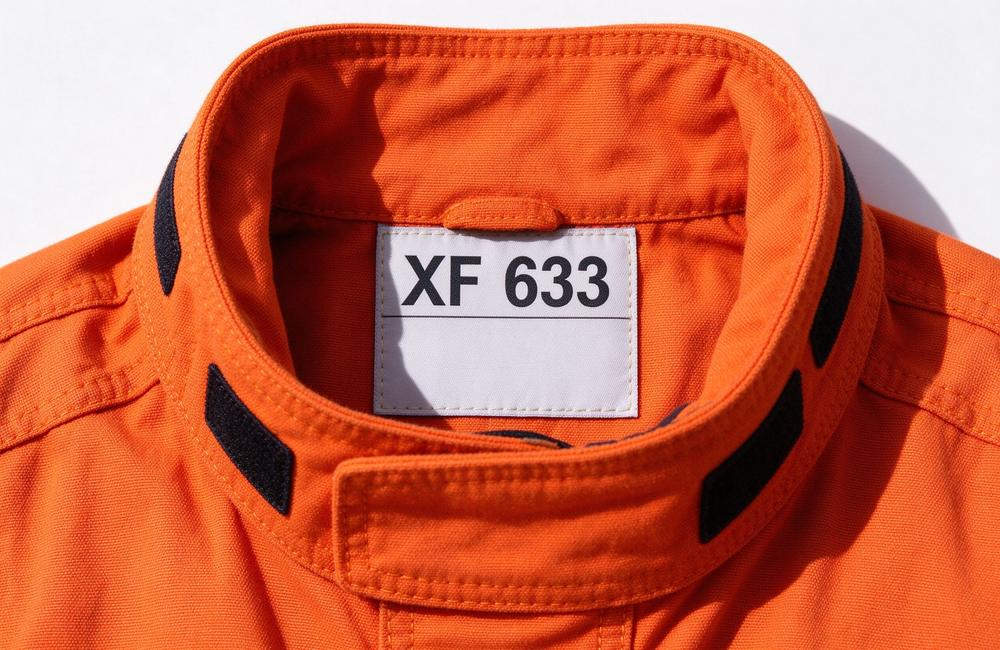
Technical rescue clothing is protective clothing designed for rescue operations that are not structural firefighting: vehicle extrication, building collapse, trench rescue, confined-space work, rope rescue and mass-casualty response. It protects the rescuer from abrasion, cuts, weather and incidental flame while keeping them mobile enough to perform complex physical tasks. Unlike turnout gear, which is built around thermal insulation for fire attack, rescue clothing prioritizes movement, breathability and fast drying.
The clearest difference between a rescue uniform vs turnout gear is the trade-off between insulation and mobility. Turnout gear uses thick thermal layers that protect against direct flame but restrict movement and trap body heat. Rescue clothing uses lighter flame-resistant fabrics with stretch and reinforcement where the rescuer moves most. A crew that only does extrication rarely needs full thermal protection; a crew that rotates into structural firefighting may need both lines in inventory.
The list is wider than fire departments. City rescue teams, highway patrol extrication units, industrial emergency response teams, urban search and rescue (USAR) squads and government agencies all issue rescue team uniforms. Industrial teams add their own requirements for visibility and chemical splash resistance, which is why the specification conversation matters before any bulk order.
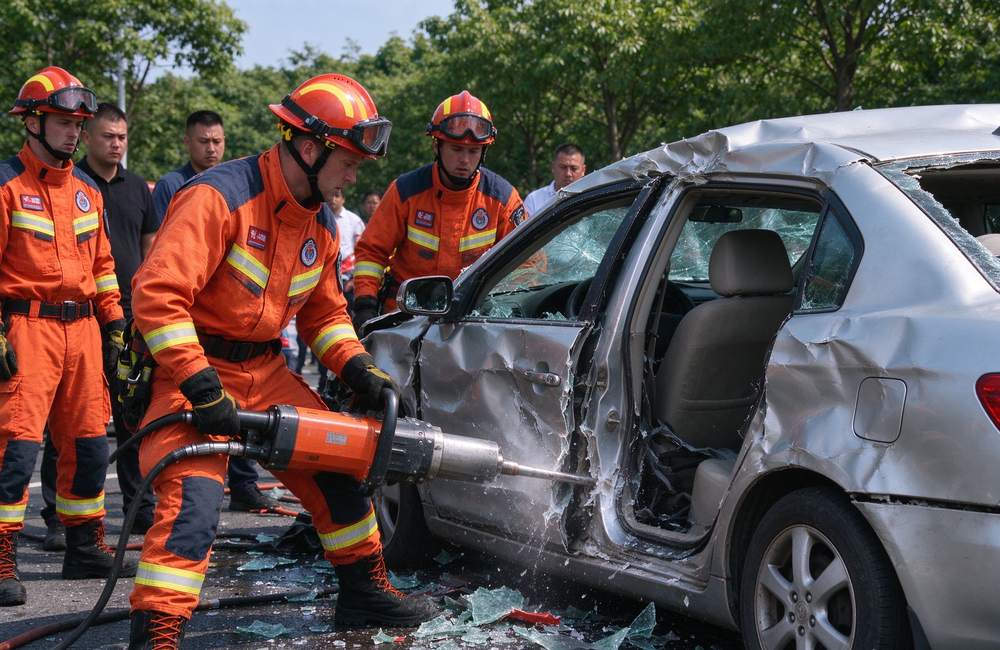
Every rescue action can be traced back to a movement: kneeling, crawling, climbing, reaching, lifting, dragging. When you evaluate rescue clothing mobility, test the suit in those exact movements rather than just checking the size chart. The shoulder should rotate freely, the knee should bend without the fabric bunching, and the crotch and back should not pull when the rescuer squats to lift.
Think about a rope rescue over a ledge: the rescuer has to lean back, work the rope with both hands and hold position for minutes. The suit must allow that lean without the waistband digging in or the shoulders locking. That is why rescue suit patterns use articulated elbows, gusseted shoulders and an elastic or adjustable waist, details that only show up when you test the suit in motion.
A well-designed rescue suit builds movement into the pattern. A summer rescue suit model, for example, uses a two-piece structure with the jacket overlapping the trousers by more than 150 mm, underarm vent holes for airflow and an elastic waist with anti-slip rubber to keep the suit in place during crawling. These details are what separate a suit designed from rescue motions from one that only looks the part.
Rescuers spend most of a call on their knees. Rescue clothing knee pads and reinforced knees protect against glass, gravel and metal edges, while double-layer elbows and seat areas extend the life of the uniform where abrasion is worst. When you compare suits, ask where the reinforcement is and what material it uses, not just whether knee pads exist.
Knee pad selection depends on the dominant work. A pad with a hard shell suits gravel and debris, while a softer padded version suits kneeling on smooth surfaces for long periods. Check that the pad pocket allows the pad to sit flat and stay in place through repeated kneeling, and that it can be replaced without damaging the shell fabric.
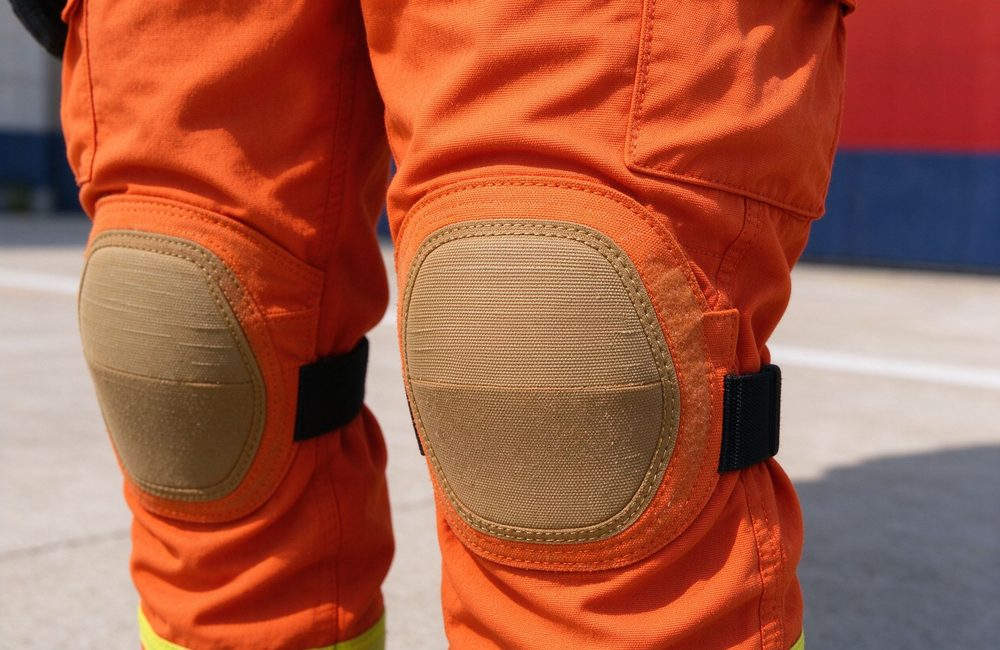
Reinforced knee pad detail
Some rescue suits add stretch panel uniform sections at the shoulders, elbows, crotch and back. These panels use elastic fiber blends that return to shape after stretching, giving the rescuer extra reach without adding bulk. They matter most for confined-space entry, where the rescuer has to twist and squeeze through narrow openings while wearing the full uniform.
Look closely at how the sleeve is set into the shoulder. A raglan or gusseted sleeve lets the rescuer reach overhead without the cuff pulling back. Pre-bent elbows and knees keep the fabric from bunching when the arm or leg is flexed, which reduces pressure points during long operations. When you compare models, ask the supplier to show the pattern details on the spec sheet rather than relying on photos.
A practical way to compare mobility is the one-minute movement test. Put the suit on over station uniform, then perform knee bends, full squats, overhead reaches and a short crawl. Any binding, ride-up or restricted rotation marks a pattern problem that no size change will fix. Do the test with the gear the rescuer will actually wear, including gloves and helmet, because layers change how the suit moves.
The reinforcement layout should match the job profile. A rescue suit used mainly for vehicle extrication needs strong knees and forearm protection, while a suit used for building collapse needs extra shoulder and back reinforcement for carrying and lifting. Check that the reinforced areas use a heavier weave or double layer and that the reflective trim is positioned away from high-wear zones so it stays visible longer.
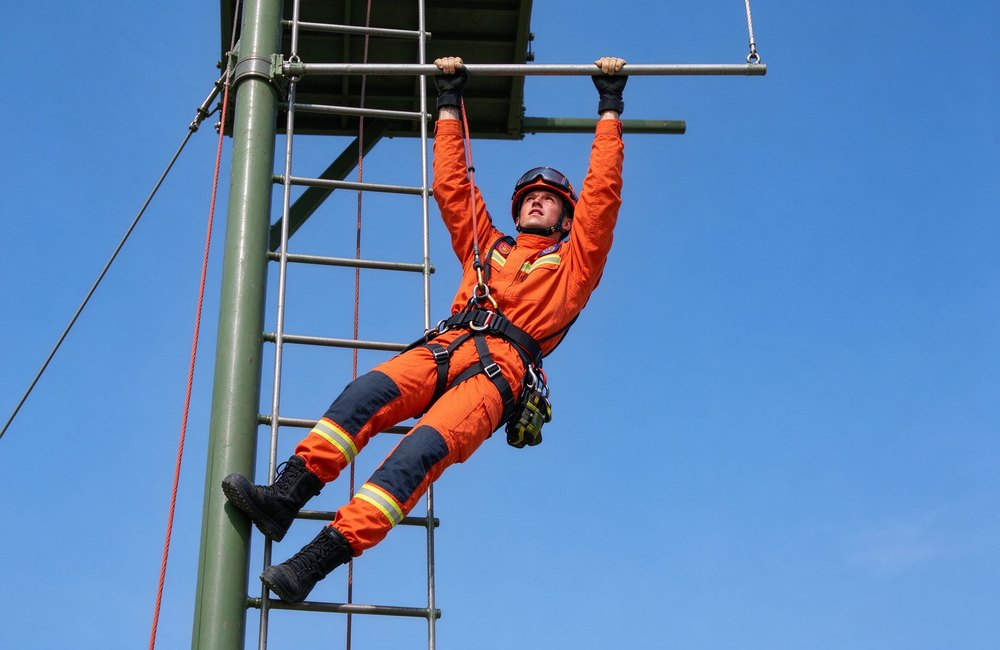
Rescue calls rarely end on schedule. A vehicle extrication can run two hours, a trench rescue can run all day, and a storm response can run for days. In that time the rescuer sweats, gets wet, dries, and sweats again. Quick-dry rescue clothing uses moisture-wicking fabrics that move sweat away from the skin and evaporate fast, so the rescuer does not cool down dangerously between tasks.
Fabric weight tells you a lot about the intended season. A summer rescue suit model uses a 200 g/m² face fabric in inherent flame-resistant material with a Tencel blend lining for breathability, while the winter version adds a flame-resistant PTFE membrane between the shell and comfort layer. Lighter does not always mean less protection, it means the suit was engineered for a different working environment.
Fabric Type
Weight
Best For
Rescue Use
Inherent FR + Tencel blend (summer series)
200 g/m²
Summer rescue ops
Breathable, fast-drying, FR by chemistry
Aramid double-fold small check
~210 g/m²
All-season rescue
Durable weave, high tear strength
Inherent FR + PTFE membrane (winter series)
Heavier 3-layer
Winter rescue ops
Windproof, waterproof, insulated
Polyester + viscose quick-dry
~170 g/m²
Light summer duty
Fastest drying, lightest feel
The table above compares rescue suit fabrics by weight, structure and intended season. Summer suits prioritize ventilation with lighter face fabric and a moisture-wicking lining, while winter suits add a flame-resistant PTFE membrane and insulation layer. Match the fabric specification to your team’s climate before placing a bulk order.
Rescue suit fabric comparison: weight, structure and intended season.
A summer rescue uniform should ventilate: lighter face fabric, underarm vents and a moisture-wicking lining keep the rescuer cool in 30°C heat. A winter rescue uniform adds a removable or fixed insulation layer and a waterproof breathable membrane, so the rescuer stays warm and dry during cold-weather operations. If your team works in one climate, buy the matching version; if they deploy regionally, ask the supplier about a three-layer system with an inner liner.
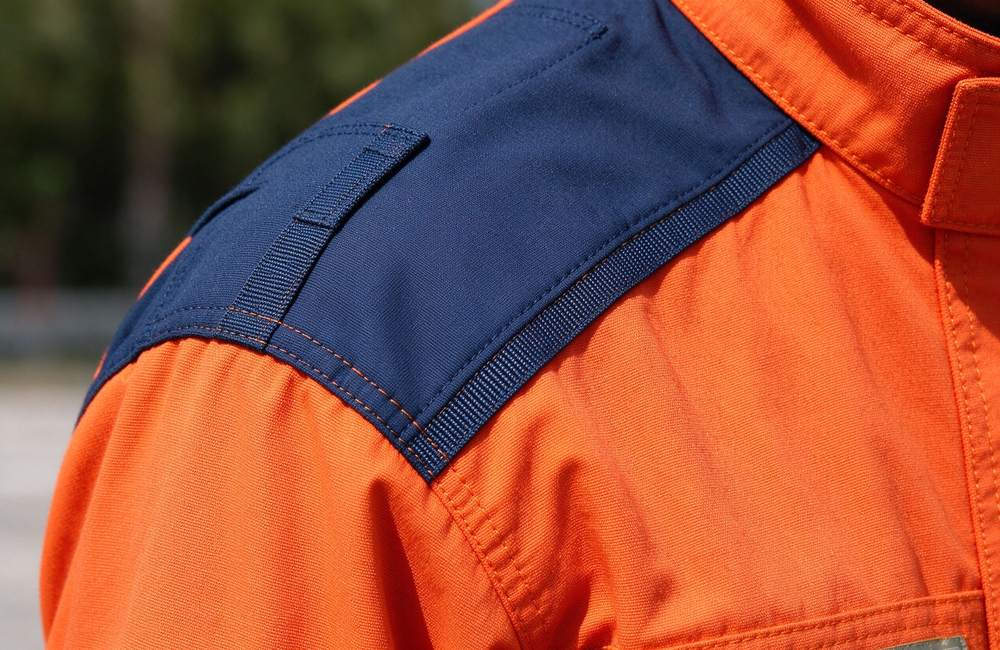
Wet clothing conducts heat away from the body up to 25 times faster than dry clothing, which is how quick dry fabric becomes a safety feature, not a comfort feature. A rescuer who is soaked and standing in cold wind risks losing core temperature while waiting for the next task. Fast-drying layers keep the rescuer operational longer and reduce the risk of cold stress on extended calls.
The season logic also drives the liner. A summer suit is typically single-layer with ventilation, while a winter suit adds a moisture barrier and insulation that can be worn over the same shell. If your team operates across seasons, ask about a modular system where the shell stays the same and the liner changes. This reduces inventory while keeping the crew protected from 30°C summer heat to sub-zero winter wind.
On extended operations, moisture management becomes a team-level issue. A crew that stays dry keeps its focus, avoids chafing and holds body heat in cold weather. Quick-dry rescue clothing also weighs less when wet, so the rescuer does not carry an extra kilogram of water after a rain shower or a sweat-heavy task. These operational benefits are why fast-drying fabric is a specification line, not a marketing phrase.
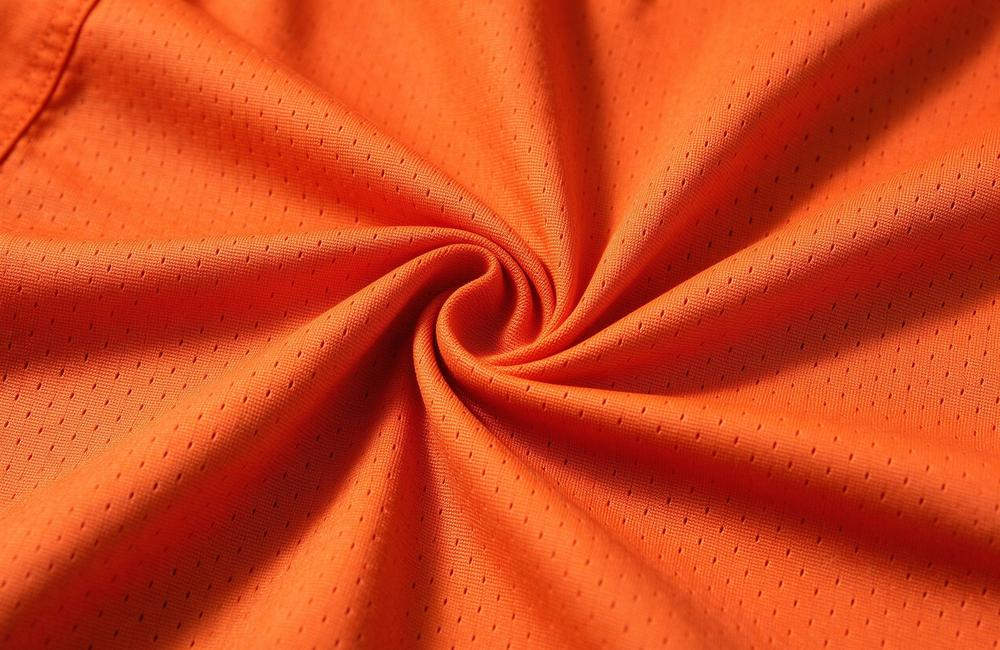
XF633 rescue clothing refers to XF 633-2006, the Chinese public safety standard for firefighter rescue protective clothing. It sets minimum requirements for flame resistance, thermal stability, tear and tensile strength, water repellency, color fastness and anti-static performance. When you buy certified rescue suits, the label and the certificate should match the exact model number, not just the factory. Standard texts are publicly searchable on the national standards public service platform before you compare quotes.
On the flame side, a typical XF 633-compliant suit shows char damage under 100 mm, afterflame time under 2 seconds and no melting or dripping. On the mechanical side, tensile strength of at least 350 N, tear strength at least 25 N and thermal stability at 180 ± 5°C with a change under 5% are common benchmarks. Higher-spec models, such as the aramid rescue suit built from 98% meta-aramid with 2% conductive fiber at 2200 g/m², exceed these minimums for heavy use.
The certificate check matters more than the brand. A supplier should provide the test report for the exact model you are buying, naming the standard, the test lab and the model number. Compare the report with the label inside the garment: if the model or the standard reference differs, treat the certificate as invalid for that suit. Keep a copy of the report in the equipment file for audit and re-inspection.
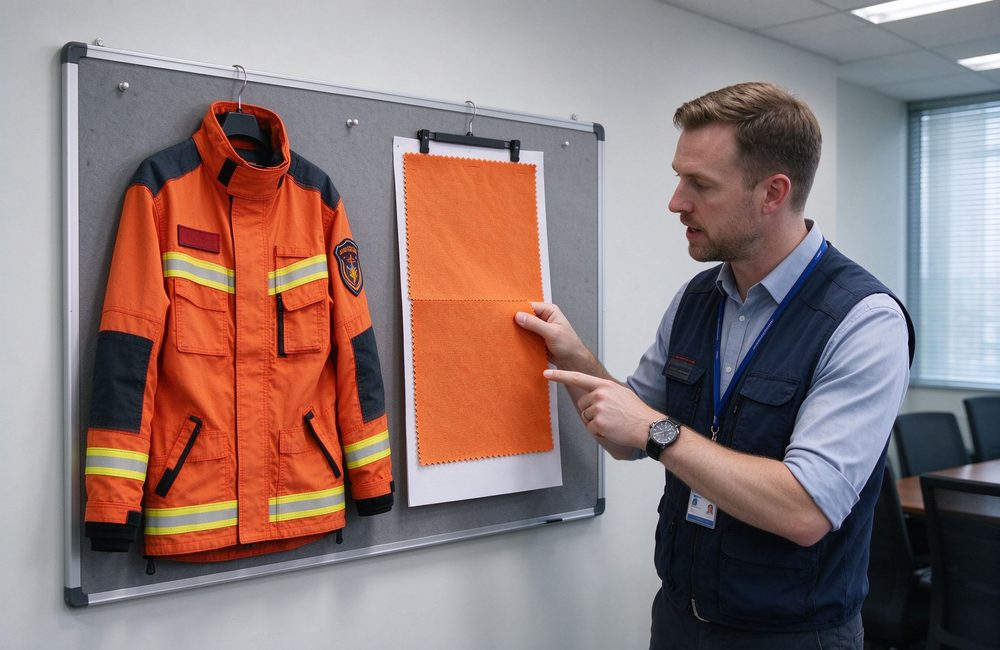
Rescue suit spec sheet
|
Standard |
Region / Scope |
Key Tests |
When to Reference |
|
XF 633-2006 |
China: firefighter rescue clothing |
Flame, thermal stability, strength, anti-static |
Buying rescue suits for Chinese departments or export from China |
|
GB/T 29519 |
China: emergency rescue clothing series |
FR performance, durability, sizing |
National emergency rescue uniform programs |
|
ANSI/ISEA 107 |
US: high-visibility clothing |
Background, retroreflective, luminance |
Roadside and traffic-incident visibility |
|
EN ISO 20471 |
Europe: high-visibility clothing |
Class 1-3 retroreflective areas |
European visibility compliance |
Rescue clothing standards compared by region and scope.
For export markets, confirm which standard the destination country references before finalizing the specification. European buyers commonly reference EN ISO 11612 for heat and flame protective clothing, while buyers in the Middle East and Southeast Asia often accept the Chinese XF 633 certificate when it is accompanied by a third-party test report. A supplier that builds to both standards can document each model under its own certificate.
The XF 633 standard covers the whole rescue ensemble: jacket and trousers, and it pairs with separate standards for rescue helmets, gloves and boots. Chinese suppliers who build rescue clothing to this standard document the tests on a certificate that names the model. Buyers should keep the certificate for their records and spot-check that the garment label carries the same model and standard reference. For rescue-team qualification requirements in North America, NFPA 1006 technical rescue qualification is the parallel reference.
High visibility rescue clothing adds retroreflective trim and fluorescent background so rescuers are seen at night and in smoke, rain or shadow. The placement matters as much as the material: trim on the chest, back, shoulders and legs shows the full human silhouette from every angle. If your team works roadside or near moving traffic, check whether local rules reference ANSI/ISEA 107 or EN ISO 20471 — the European framework is maintained by CEN/CENELEC.
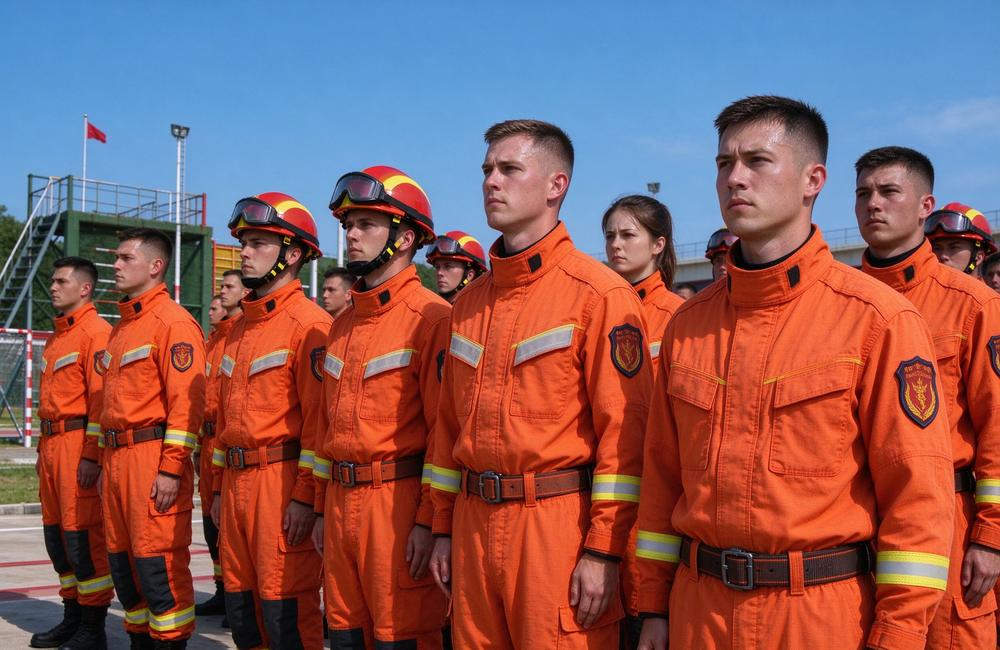
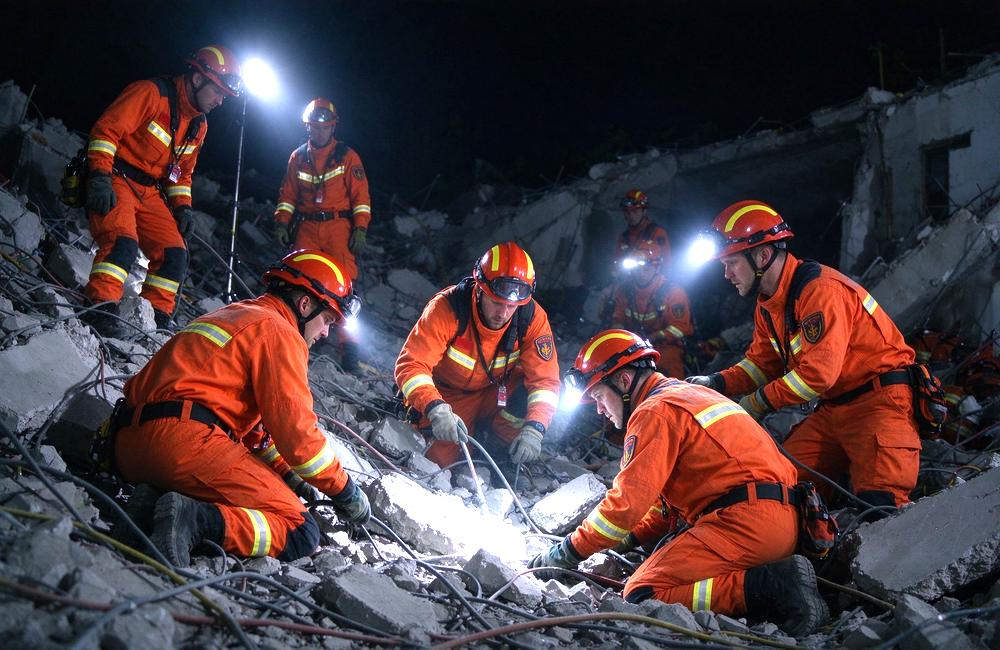
Night rescue scenes are chaotic: flashing lights, moving vehicles, smoke and debris. A rescuer in reflective rescue clothing is identifiable by the bright trim before the face is visible. When you specify the uniform, ask for the trim position, the retroreflective material grade and the certified luminance, not just "reflective tape".
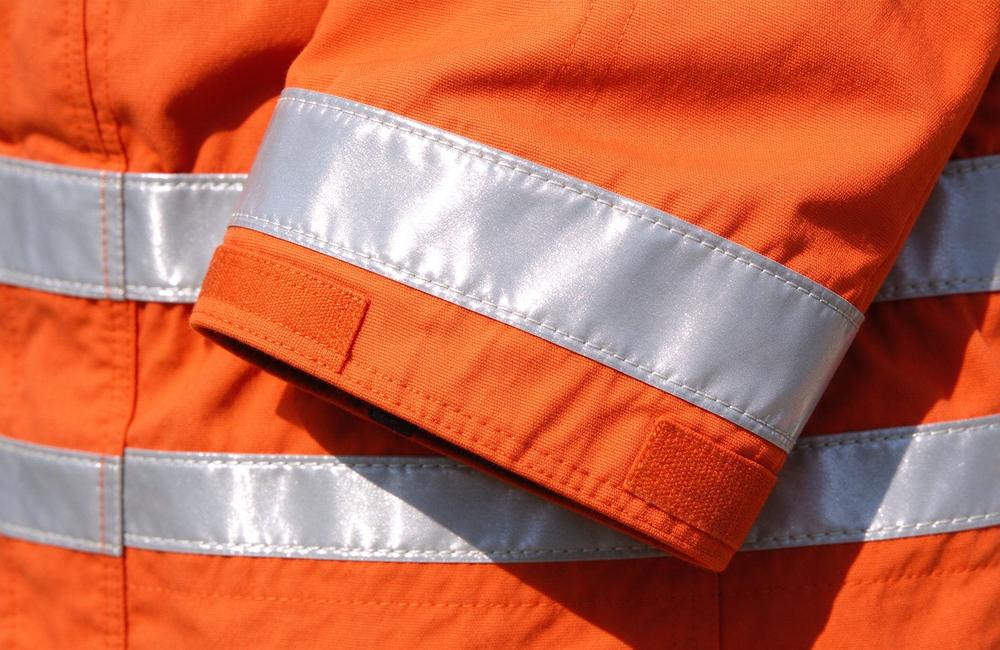
The YRF rescue suits place trim in a V shape on the chest, horizontal bands on the back and strips on the sleeves and legs, so the silhouette is readable from the front, back and sides. On the winter version the trim is stitched through the shell so it stays visible even with the inner liner in use.
Retroreflective material comes in different grades, and the grade shows up in how much light the band returns. Sewn-in bands survive washing better than heat-bonded trim, while bonded trim lies flatter on curved seams. For a rescue uniform that gets washed after every incident, ask which application method the supplier uses and confirm the wash-test results for the trim.
Visibility is not only about the trim itself; it is about contrast against the scene. A fluorescent orange background with silver retroreflective bands stands out against dark asphalt, green vegetation and grey concrete. When the scene includes smoke or heavy rain, the retroreflective material returns light back to the source, which is what makes the rescuer visible to approaching traffic and to the incident commander.
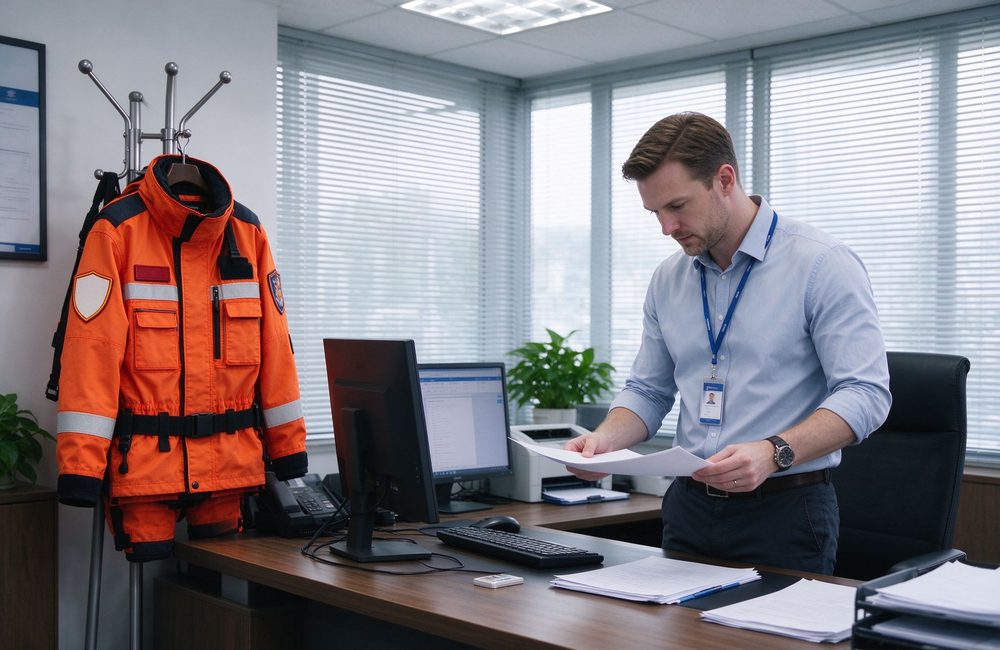
Reflective trim performance is graded by standards such as ANSI/ISEA 107 and EN ISO 20471. Class levels define how much retroreflective and background material the garment must carry. For roadside rescue work, a class 2 or class 3 garment with trim around the torso and sleeves is the common baseline. Confirm the class on the certificate, because visibility is a compliance issue, not a style option.
At the scene, visibility also depends on the rescuer's position. Trim on the lower legs is visible when the rescuer kneels, trim on the shoulders is visible from above, and trim on the sleeves shows arm movement to the incident commander. When you review the mock-up, check the trim placement against your typical operations instead of accepting a generic layout.
Trim brightness fades with washing, abrasion and sun exposure. A quality retroreflective band is bonded or sewn in a protected position and rated for a service life. During annual inspection, hold the suit under a light and check that the bands still return light evenly across the full strip. Replacing worn trim before it fails is cheaper than losing visibility at a night scene.
Choosing a rescue clothing supplier comes down to four checks: certification, samples, sizing and customization. Ask the supplier to list the exact standard and certificate for each model, request a physical sample to test movement and fabric hand feel, confirm the size matrix covers your crew range, and clarify what customization is available before you commit to a bulk order.
During sample evaluation, wash a test swatch, check the trim after washing, and confirm the fabric weight against the specification with a scale if possible. Have two different body sizes try the sample and compare the fit across both. The sample is the cheapest insurance before a bulk order, and the checks are the same ones a buyer would run on production pieces.
For dealers and tender participants, the rescue suit specification is the bidding document. Include the standard reference, fabric weight, trim class, size matrix, customization and packing in the request, then compare quotes on identical specifications. A lower price that drops the certification, the reinforcement or the trim class is not the same product. Ask the supplier to confirm the lead time in writing before the tender closes.
Night rescue visibility
Checklist Item
What to Verify
Why It Matters
Certificate & standard
XF 633-2006 or applicable standard on label and certificate
Confirms flame and mechanical performance is tested
Physical sample
Fabric hand feel, stitch quality, trim placement, zippers
Catches defects before a bulk order
Size matrix
Full range from XS to larger sizes with length options
Ensures fit across the whole crew
Customization
Team colors, logos, armbands, pocket layout
Aligns the uniform with department identity
Lead time & packing
Production time, packing per carton, delivery terms
Plans procurement and deployment
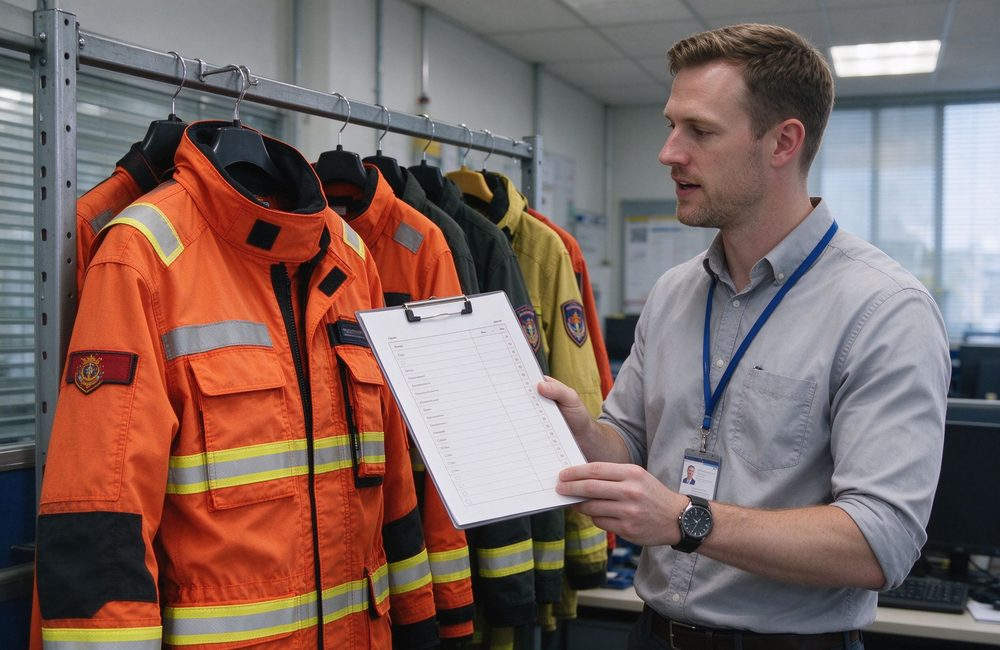
Use the checklist above when shortlisting rescue clothing suppliers. Every item — certificate model match, fabric proof, sample fitting and customization limits — protects a bulk order from specification drift. A supplier who cannot document the standard or refuses samples is a red flag regardless of price.
Technical rescue clothing supplier checklist.
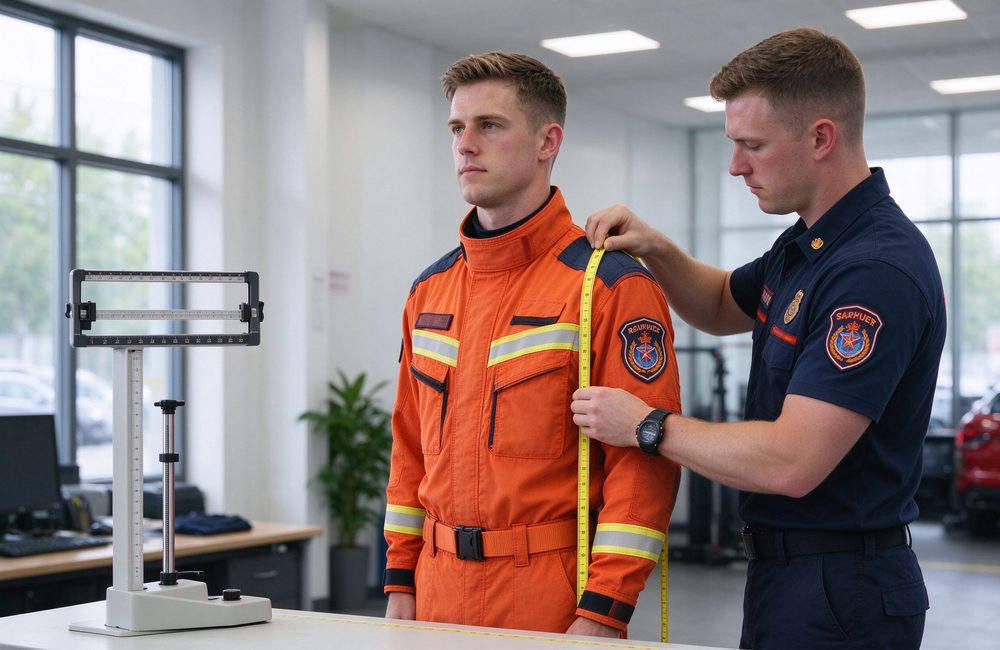
A rescue uniform fit test should happen in the actual rescue posture, not standing straight. Have a rescuer wear the suit and perform kneeling, squatting, reaching overhead and crawling for a minute each. The suit should not bind at the shoulders, restrict the knees or ride up at the waist. Measure every crew member; a size that fits one rescuer will not fit all.
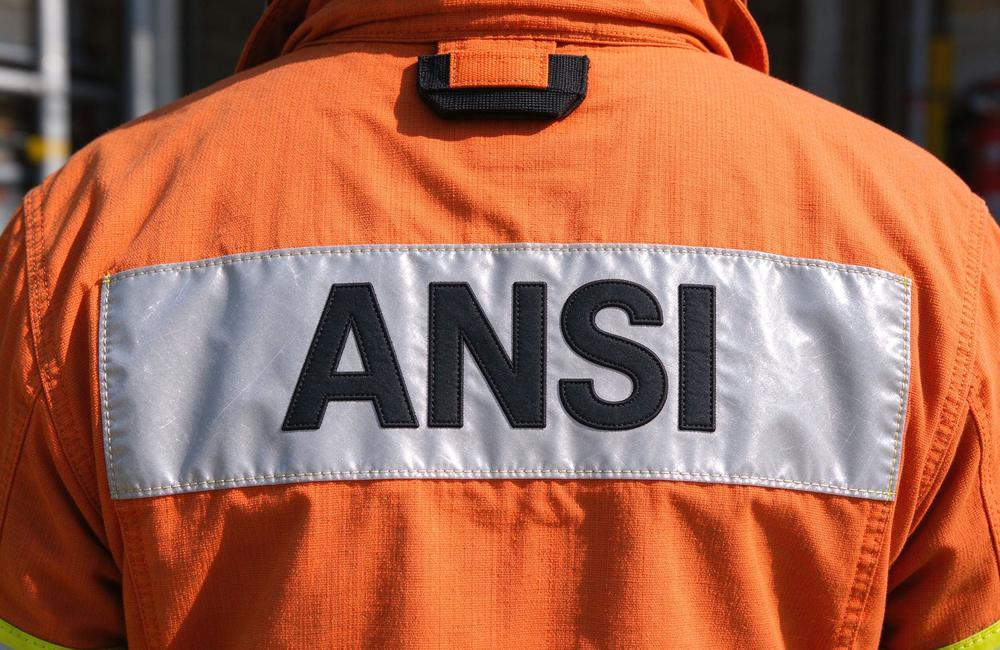
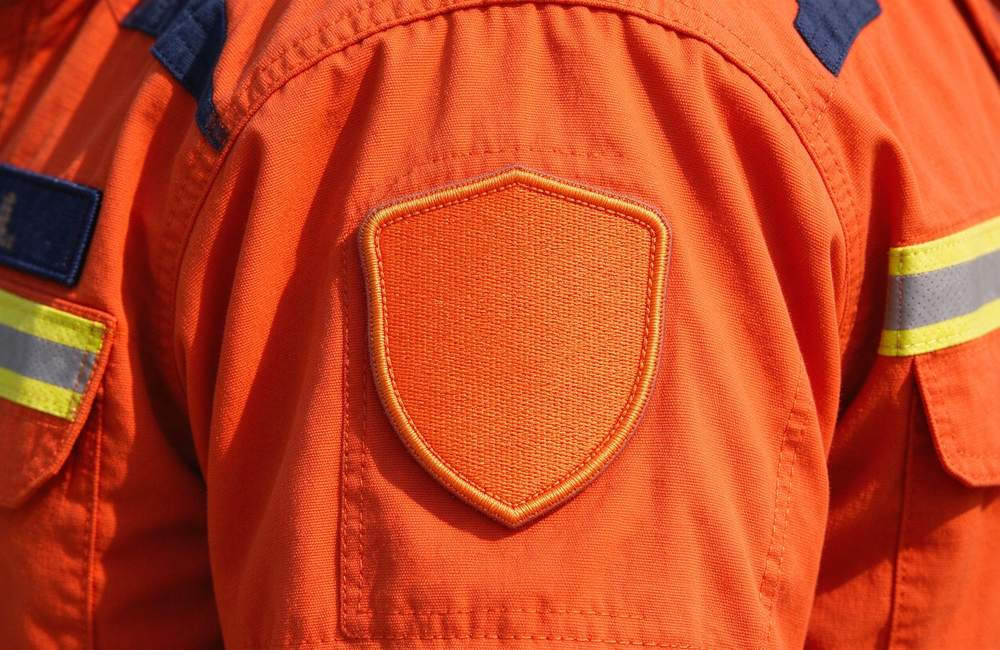
Most rescue suit suppliers offer custom rescue uniform options: department colors, chest logos, shoulder patches, name bars and custom pocket layouts. Customization should never change the certified fabric or trim; the standard applies to the finished garment. Confirm the customization list in writing before the sample stage so the sample matches production.
The size matrix deserves its own check. Crews vary widely in height and build, and a matrix that stops at XXL leaves taller or broader rescuers without a safe option. Confirm the matrix covers your full crew range, including length options for jackets and trousers. If you manage multiple stations, standardize the sizing system so replacement orders fit without re-measuring the whole team.
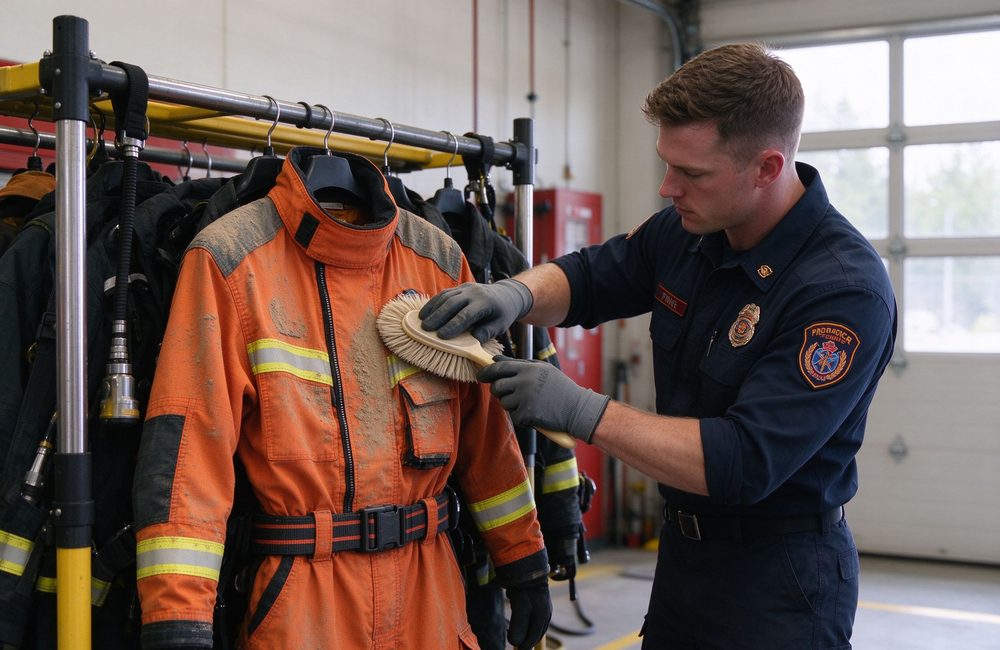
Rescue clothing care directly affects how long the suit keeps its certified performance. Wash flame-resistant fabrics with mild detergent, avoid fabric softeners and bleach, and dry away from direct sunlight and high heat. Follow the care label on the garment, and keep the certificate with the equipment file so inspection records stay complete.
To maintain rescue uniform performance, remove contamination after each incident, wash per the care label, inspect seams, zippers and reflective trim for damage, and retire any suit with char, tears or delamination. Record each suit with its manufacture date and inspection history so replacement follows a documented cycle.
Storage also affects the certified performance. Hang rescue suits in a clean, dry, shaded area, away from direct sunlight, chemicals and sharp tools. Folded suits should be stored flat with the reflective trim protected from creasing. Record each suit with its manufacture date, issue date and inspection history, and rotate stock so older suits are used or retired first.
Retirement rules should be documented, not guessed. Follow the care label and the manufacturer's inspection guidance, and retire a suit when it shows char, tears, seam separation, reflective trim failure or any sign that the certified performance may be compromised. Keep the replacement schedule visible so the team never runs short of serviceable uniforms.
Fire departments and rescue agencies rarely order one suit. Bulk rescue clothing orders run through a defined configuration: model, size matrix, color, trim placement, customization, packing and lead time. Define the configuration in writing before pricing, because the specification drives both the quote and the delivery schedule.
Government procurement usually follows a defined path: a specification, a public tender or a framework agreement, sample evaluation, and a production and delivery schedule. A supplier that can provide samples, certificates and a consistent size matrix reduces the risk for the buyer. Confirm the packing specification, such as sets per carton and marking, so goods can be checked on arrival and distributed to stations quickly.
Lead time is the second half of the bulk order equation. Rescue suit production runs by season: summer orders peak before the hot months and winter orders before the cold months, so plan your procurement early. Confirm the production and delivery window in writing, and ask how the supplier handles urgent reorders for small replacement batches.
For procurement teams, a complete rescue uniform order includes the jacket and trousers, with matched rescue gloves, helmet and boots available from the same supplier lines. Confirm packing (sets per carton) and the production lead time before you sign. Exact pricing, minimum order and delivery terms are confirmed in the sales contract and depend on quantity, customization and season.
Define the configuration block by block: model, color, trim placement, customization, size matrix, packing and delivery. Write it into the contract with the certificate reference so every party measures the same thing. A clear configuration also makes future reorders faster, because the specification is already documented and approved.
Resce Uniforms Redy for Your Specification
From summer and winter rescue suits to full ensemble kits with helmet, gloves and boots, rescue clothing suppliers build to XF 633-2006 and document every model with a matching certificate. Share your size matrix, trim class and customization requirements, and the quote will come back with the standard reference included. Send your specification by email or WhatsApp and get a response with samples and lead time.
It is protective workwear for rescue tasks outside structural firefighting — vehicle extrication, building collapse, trench, confined-space and rope work. The design trades heavy heat insulation for mobility, breathability and fast drying so crews can stay operational on long, active rescues.
You can, but it is not ideal. Turnout gear's thick layers trap heat and limit movement, which slows crews on multi-hour rescues. Keep both lines in stock — certified turnout for fire attack, technical rescue clothing for the rest of the call load.
XF 633-2006, the Chinese standard for firefighter rescue protective clothing. It sets minimums for flame resistance, thermal stability, strength, water repellency and anti-static. Ask the supplier for the certificate that names the exact model, and check the garment label matches.
Summer versions use lighter fabric, underarm venting and a moisture-wicking liner for hot work. Winter versions add a flame-resistant PTFE moisture barrier and insulation between shell and liner. Single-climate teams buy one version; multi-climate teams can ask about a shell-plus-liner system.
A wet rescuer loses body heat fast and risks cold stress during long callouts. Quick-dry fabric pulls sweat off the skin and evaporates it, keeping crews drier, lighter and more alert between tasks.
Common builds include inherent FR aramid, aramid and FR-viscose blends, meta-aramid, and fast-drying polyester-viscose. Inherent FR fabrics are flame resistant by chemical structure, so washing does not weaken the protection.
Yes for most rescue work. Reinforced, padded knees protect the rescuer on glass, rubble and metal edges and extend the garment's life at its most worn point. Check the pad pocket fits flat and stays put under repeated kneeling.
Trim should run across chest, back, shoulders and legs so the silhouette reads from every angle. The retroreflective material must be certified; for roadside work, confirm the class against ANSI/ISEA 107 or EN ISO 20471.
Yes — team color, chest patch, shoulder badges, name bars and pocket layouts are common. Customization must not change certified fabric or trim; confirm the final layout on a sample before production.
Take chest, waist, hip, sleeve, inseam and height over normal duty wear, allow room to squat and reach, then compare with the supplier's size chart. Fit-test with rescue moves — one size will not fit everyone.
Use neutral detergent, never fabric softener or bleach, and avoid strong sun and high-heat drying. Inspect seams, zips and reflective trim after each call; retire the suit if you see charring, tears or delamination.
The suit itself — jacket and trousers — plus rescue helmet, gloves and rescue boots, each covered by its own standard. Ordering the set from one product line keeps standards and colors consistent.
There is no fixed number; it depends on quantity, customization and season and is confirmed in the sales contract. Send your size matrix and configuration to get an accurate quote.
Yes. A sample lets you check fabric hand feel, movement, trim placement and customization before committing. Sample cost and lead time are agreed by both sides.
Keep it practical: sealed chest and thigh pockets for tools, gloves and small gear, positioned so they do not interfere with harnesses or kneeling. Fewer closures mean fewer failure points on scene.
Rescue suits certified to XF 633-2006 cover incidental flame exposure, not entry into fire. Avoid direct flame and hot surfaces; crews rotating into fire attack need certified turnout gear.
Compare on identical specifications: standard number, fabric weight, reflective class, size matrix, customization and lead time. A low price that drops certification, reinforcements or trim is not the same product.
Дружні посилання :
Авторське право © Custom Disaster - Relief Bedding: Tents, Sleeping Bags, Blankets Всі права захищені
професійна команда для обслуговування !